A Ring battery doorbell can still work without a plan, but paid storage is what makes it useful for reviewing past events. If you want saved clips, compare monthly and annual pricing, then check setup, Wi-Fi, and privacy needs before you buy.
The ring battery doorbell subscription is the paid plan that unlocks video history and related features for many Ring battery doorbells. If you are deciding whether the plan is worth it, the real question is what you need for daily use, privacy, and total cost.
What the Ring Battery Doorbell Subscription Actually Includes in 2026
For most buyers, the subscription matters because it adds recorded event history. Without a plan, you can usually still get live alerts and basic app access, but you may lose the ability to review past clips.
Exact features can vary by model, plan, and app version. Check the current Ring plan page before you buy.
Ring Basic vs. Ring Home: what features are tied to paid plans
Ring’s paid plans are usually split between single-device coverage and household or multi-device coverage. In practical terms, the plan often controls cloud recording, video review, and clip length.
Some features may also depend on whether you use a battery doorbell, a wired doorbell, or another Ring device.
Without a Plan $0
Live view and motion alerts may still work.
Past video clips may be limited or unavailable.
Monthly Plan Verify current price
Usually adds cloud recording and clip review.
Best for short-term use or seasonal needs.
Annual Plan Verify current price
Often lowers the average monthly cost.
Best if you expect long-term use.
Marcus Sterling’s Security Note: A battery doorbell without cloud history can still be useful for alerts. But it becomes less helpful after the moment passes.
If your main need is to check who came by while you were away, subscription-backed recording is usually the key feature.
What you can still use without a subscription
Even without a paid plan, many users can still see a live feed, receive motion notifications, and use two-way talk. That means the doorbell can still help you answer the door and check activity in real time.
The tradeoff is that you may not be able to go back and review events later.
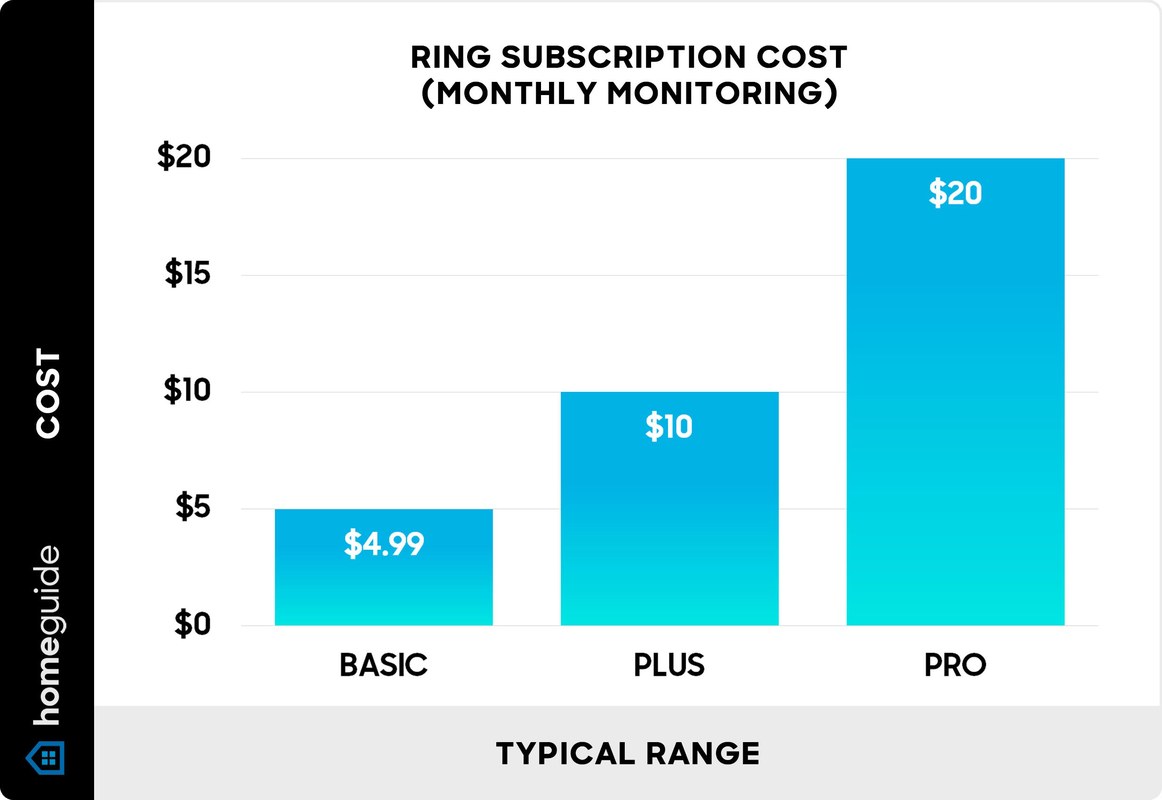
How Much the Ring Battery Doorbell Subscription Costs Over Time
Comparison of Ring Battery Doorbell subscription costs over time.
The subscription cost is only one part of ownership. Over time, the bigger question is whether monthly billing, annual billing, battery charging, and possible accessories fit your budget.
The best choice depends on how often you use the doorbell and how many devices you want covered.
US Price & Subscription
Typical device priceVerify current USD price
Accessories or installationMay include mount, chime, or pro install
Cloud planRequired for many recording features
Professional monitoringNot typically the same as doorbell cloud storage
ContractVerify current terms
Monthly vs. annual billing and how the math changes
Monthly billing gives you flexibility. Annual billing usually lowers the effective monthly rate, but you pay more up front.
If you expect to keep the doorbell for at least a year, annual billing often makes more sense.
Compare the plan cost against how often you would actually use recorded video. If you only need a doorbell for a short rental, a month-to-month plan may be easier.
If the doorbell is part of your long-term home setup, annual billing can reduce the ongoing burden.
Single-device pricing versus multi-device household coverage
Single-device plans fit one entry point well. Household or multi-device plans make more sense when you have several cameras or doorbells.
That can lower the average cost per device if you already use Ring across the home.
If you only own one battery doorbell, a larger plan can be unnecessary.
But if you plan to add more devices later, the broader plan may save money and simplify billing.
Ownership-cost factors beyond the subscription fee
The subscription is not the only recurring cost. Battery charging habits, replacement parts, optional chimes, mounts, and possible installation help can all affect the total.
Wi-Fi upgrades or mesh equipment may also be worth considering if your signal is weak at the front door.
Setup is usually straightforward, but the details matter. Battery charging, mounting angle, Wi-Fi strength, and app setup all affect how well the doorbell works.
Renters should also check permission rules before drilling or mounting anything outside.
Installation Warning
If you need to drill into siding, brick, or a door frame, confirm property rules first. Stop and use the exact manual or a qualified installer if you are unsure about wiring, ladder safety, weather exposure, or landlord approval.
Battery charging, mounting height, and angle for better motion capture
Battery models need periodic charging, so plan for easy removal and reattachment. Mounting height matters because it affects motion detection and face capture.
A slightly angled view often works better than a straight-on view of the porch.
Try to keep the camera aimed at the approach path, not just the door slab.
That helps it see visitors sooner and reduces missed motion at the edge of the frame.
Wi-Fi requirements, app setup, and account creation
Most battery doorbells need a stable home Wi-Fi connection and a phone app account. During setup, the app usually walks you through naming the device, connecting to Wi-Fi, and enabling alerts.
If the signal is weak, setup may still work but performance may be poor.
Renter-friendly installation and permission considerations
Renters should ask about drill holes, adhesive mounts, and exterior changes before installation. Some landlords allow a removable mount or a no-drill option.
Others want written approval for anything attached to the unit.
It is also wise to think about shared walkways and common areas.
A doorbell that records too much of a neighbor’s door or window can create avoidable conflict.
How Storage, Alerts, and Event History Work<
Explains how storage, alerts, and event history work for a battery doorbell.
/h2>
Storage is where the subscription becomes most important. Alerts tell you something happened, but history lets you review what happened later.
That difference matters if you are away, asleep, or unable to answer right away.
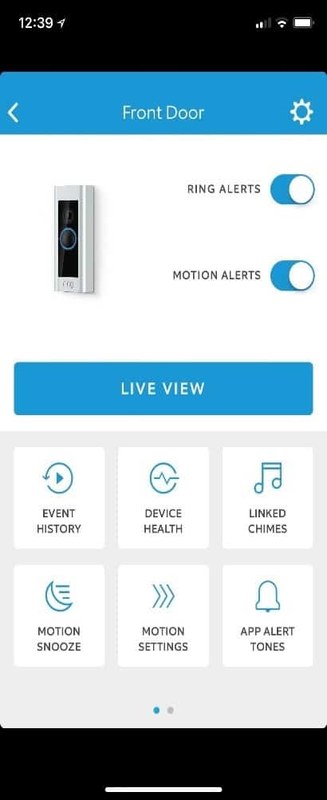
Live view, motion alerts, and two-way talk basics
Live view lets you open the camera feed in real time. Motion alerts notify you when the doorbell detects movement.
Two-way talk lets you speak through the app to a visitor, delivery driver, or guest.
These features are useful even without a long recording history. They support everyday use at the door, but they do not replace a saved clip if you need to review an event later.
Local Storage
Can reduce ongoing cloud fees.
May keep clips available without a subscription.
Depends on the exact model and accessory support.
Cloud Storage
Usually tied to a paid plan.
Lets you review clips from anywhere.
Depends on internet access and account status.
Cloud video history, clip retention, and download options
Cloud history is the main reason many people pay for the plan. Retention means how long the clips stay available.
Download options matter if you want to save a clip for a landlord, insurance claim, or personal record.
Check the current plan details before purchase, because retention rules can change by model or plan.
If a feature is important to you, verify it before you rely on it.
What changes if your plan lapses or is canceled
If the plan ends, you may lose access to stored events or some app features. Live view and alerts may continue, but the doorbell can become much less useful for review.
Canceling a plan is not the same as removing the device from your home network.
Before canceling, export anything you want to keep.
Then confirm what remains available after the billing period ends.
Placement, Power, and Home Layout Considerations
Good placement improves both performance and privacy. The front door layout, porch depth, and Wi-Fi path all affect how well a battery doorbell works.
Small changes in angle or height can make a big difference.
Front-door sightlines, porch depth, and motion zones
A deep porch may block part of the approach path. A shallow porch may show too much sidewalk or street.
Motion zones can help narrow alerts to the area you care about most.
Use the camera view to check what visitors see and what the doorbell sees.
That simple step can prevent blind spots and reduce unnecessary alerts.
Weather exposure, night vision, and glare reduction
Battery doorbells face sun, rain, and temperature swings. A covered porch can help reduce weather stress and glare.
Night vision works better when the lens is not pointed directly at a bright porch light or reflective surface.
Wi-Fi range, mesh networks, and signal drop troubleshooting
If alerts arrive late or video loads slowly, weak Wi-Fi is a common cause. Start with the simplest checks.
Move the router, check the signal path, and test the doorbell closer to the network if possible.
Mesh systems can help, but only if the node near the front door has a strong connection to the rest of the network.
If signal problems continue, review router settings, interference, and distance before blaming the doorbell itself.
Privacy, Cybersecurity, and Shared Access
Doorbells sit at a public-facing entry point, so privacy matters. You should know who can view clips, where the camera points, and how account access is managed.
Good security habits reduce the risk of unwanted access.
Two-factor authentication, password hygiene, and account recovery
Use a unique password for the Ring account. Turn on two-factor authentication, also called MFA, if the app supports it.
That adds a second check when someone signs in.
Also review account recovery options.
If you lose access to your phone or email, recovery steps should still be clear and current.
Privacy zones, neighbor visibility, and local recording limits
Privacy zones hide parts of the image you do not want recorded. They are helpful when the camera faces a sidewalk, window, or neighbor’s property.
They do not replace good placement, but they do help reduce unnecessary capture.
Check local rules if your setup records audio or public areas.
Laws can vary by state and city, so it is smart to verify before you rely on any camera angle.
Shared users, guest permissions, and household access control
Shared access is useful for families, caregivers, and roommates. Still, each person should have only the access they need.
Remove old users when they no longer need entry to the account.
Maintenance, Battery Life, and Common Troubleshooting
Battery doorbells need light maintenance to stay reliable. Charging habits, app updates, and motion settings all affect daily performance.
Most problems can be narrowed down with a few safe checks before you contact support.
Battery charging habits and expected drain factors
Battery life changes with motion volume, temperature, live view use, and Wi-Fi strength. A busy porch drains faster than a quiet one.
Cold weather can also reduce battery performance.
Charging on a routine schedule can help prevent surprise downtime.
If the battery drops too fast, review motion settings and signal strength first.
Fixing delayed alerts, offline status, and motion sensitivity issues
Delayed alerts often point to network trouble, power strain, or app settings. Start by checking Wi-Fi, app notifications, and device status.
Then review motion sensitivity and activity zones.
If the doorbell shows offline status, reboot the router and confirm the device is charged.
If the issue keeps returning, check the vendor support steps before changing hardware.
Firmware updates, app updates, and device health checks
Firmware is the software inside the device. App updates can change menus, permissions, and alert behavior.
Keeping both current helps reduce bugs and security gaps.
Make a habit of checking device health after updates.
Test live view, motion alerts, and two-way talk so you know everything still works as expected.
When the Subscription Makes Sense and When It May Not
The subscription makes the most sense when you want event history, remote review, and a more complete doorbell record. It may be less useful if you only need live alerts and basic talk features.
Your home type, budget, and privacy needs should guide the decision.
Best fit for homeowners, renters, and short-term living situations
Homeowners often get the most value from a long-term plan, especially if the doorbell is part of a larger security setup.
Renters may prefer flexibility, especially if they may move soon.
Short-term residents should weigh the monthly plan against the length of their stay.
Situations where local-only use or no subscription is enough
If you mainly want to know when someone is at the door, no subscription may be enough. That is also true if you do not need to save clips or review old events.
In that case, local-only or basic use can keep costs down.
Long-term value compared with the total cost of ownership
The long-term value depends on how often the recorded history helps you. Add the plan fee, battery upkeep, and any accessories before you decide.
For some households, the subscription feels worthwhile because it supports daily convenience and review. For others, the extra cost does not match their needs.
Final Takeaway
The ring battery doorbell subscription is most valuable when you want saved video history, not just live alerts. If you are a homeowner or long-term renter, compare monthly and annual pricing, then verify storage, privacy, and access rules before you commit.
Not always. Many battery doorbells still offer live view and motion alerts without a plan, but recorded video history is often tied to a paid subscription.
You may lose access to stored event history and some recording features. Live alerts and two-way talk may still work, but check the current plan terms before canceling.
No, it usually needs Wi-Fi for alerts, live view, and app access. If the signal is weak, performance can suffer even if the doorbell powers on.
Monthly billing is more flexible, while annual billing often lowers the average monthly cost. Annual plans usually make more sense if you expect to keep the device for a year or longer.
Reduce unnecessary motion alerts, check Wi-Fi strength, and avoid frequent live view use. Cold weather and heavy porch activity can also drain the battery faster.
Renters should confirm landlord approval, drilling rules, and any HOA or building limits. A removable mount or no-drill option may be better if you need to avoid permanent changes.
Hi, I'm Marcus Sterling, a smart home security expert with over 5 years
of hands-on experience testing and reviewing hundreds of security cameras, smart locks, and alarm systems. My mission is to make smart home security accessible, affordable, and easy to understand—and every review I publish is 100% independent, unbiased, and honest. I don't accept payments for positive reviews, just practical advice to help you secure your home with confidence.
Quick Security Answer Most video doorbells do not record nonstop by default. They usually save motion clips or live-view sessions, while continuous recording depends on the model, power, storage, and plan. Many readers ask whether do video doorbells record all the time, and the short answer is usually no. Most models record in short clips…
Quick Security Answer A Ring video doorbell PoE setup can be a good fit if you want steady power and a wired network connection at the front door. It works best when the model, cable route, and property rules all line up. Ring video doorbell poe is a practical setup for homes that want steady…
Compare the best security camera system with NVR for home in our 8-product roundup. See local storage, PoE setup, and subscription-free picks for U.S. buyers.
Compare the 8 best wireless outdoor security cameras for home. Review power, storage, and subscription trade-offs, then check current prices on Amazon.
View on Amazon Quick Security Answer Most alarm sensors do not need Wi-Fi. They talk to a hub using low-power radio, and the hub handles internet access. Cameras and video doorbells are the exception because they stream video. Smart Home Security Guide The first question most buyers ask is do alarm sensors need wifi to…
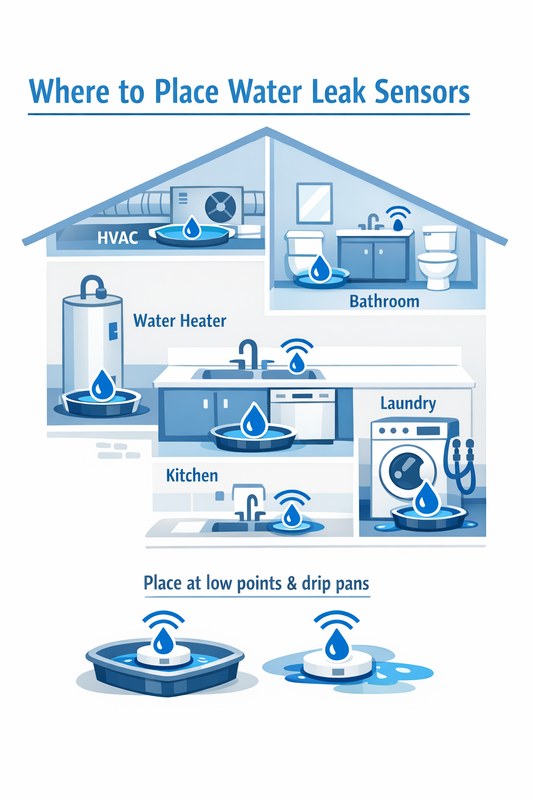
View on Amazon Quick Security Answer Place water leak sensors at the highest-risk spots: under sinks, behind toilets, near the washing machine, and around the water heater. Position them flat on the floor with clear access to water flow and test them monthly. Smart Home Security Guide Knowing where to place water leak sensors is…




9 Comments