8 Best Smart Smoke and Carbon Monoxide Detectors for Home Safety
Compare the best smart smoke and carbon monoxide detectors for US homes. See battery, hardwired, and app-based picks with real ratings and price checks.

Compare the best smart smoke and carbon monoxide detectors for US homes. See battery, hardwired, and app-based picks with real ratings and price checks.
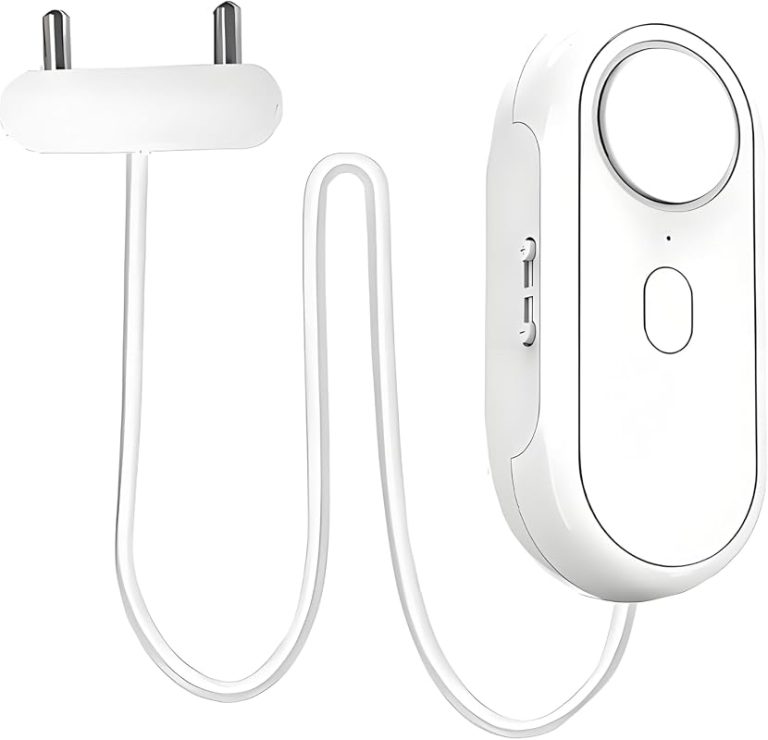
Discover the best water leak sensors for smart homes in our expert roundup. Compare app alerts, loud alarms, and easy setup to protect your home starting today.

Find the best glass break sensors for home security. See 8 smart entry and motion sensor picks for windows, with ratings, features, and value guidance.

Compare the best door and window sensors for home security, from budget multi-packs to smart Zigbee and SimpliSafe options. Find the right fit for your home.
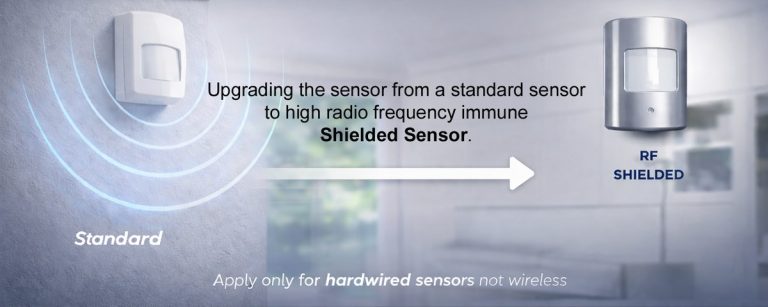
View on Amazon Quick Security Answer Most motion sensor false alarms come from pets, temperature changes, poor placement, or low batteries. Fix the environment first, adjust sensitivity second, and replace the sensor only if problems continue. Smart Home Security Guide Motion sensor false alarm causes are easy to find once you know what to look…
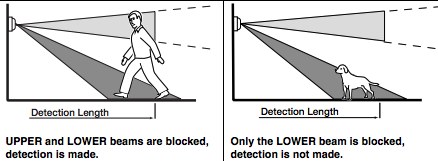
View on Amazon Quick Security Answer A pet immune motion sensor lets you arm your home security system while your dog or cat roams freely by ignoring heat and movement from pets under a specified weight threshold (typically 25–50 lbs). The key limitation is that immunity is not absolute—pets that jump on furniture or exceed…
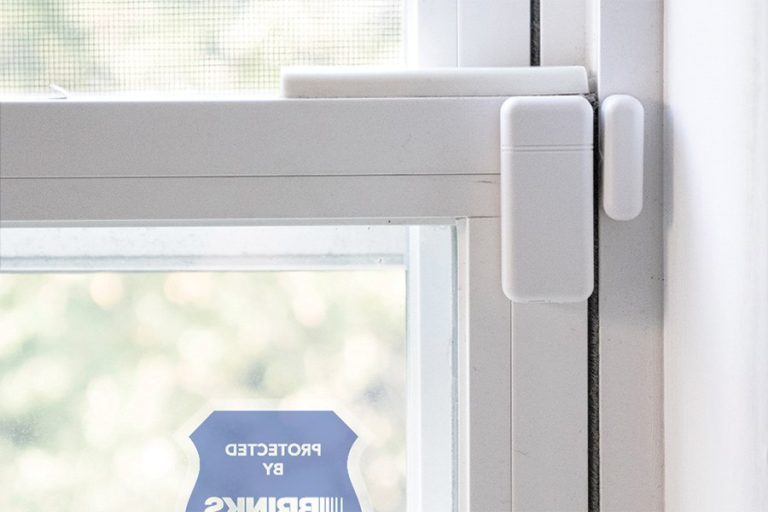
View on Amazon Quick Security Answer For most homes, window sensors are the practical baseline because they cover every entry point. Add glass break sensors in rooms with large windows or sliding doors to catch break-ins that don’t open the window. Smart Home Security Guide Choosing between a glass break sensor vs window sensor comes…
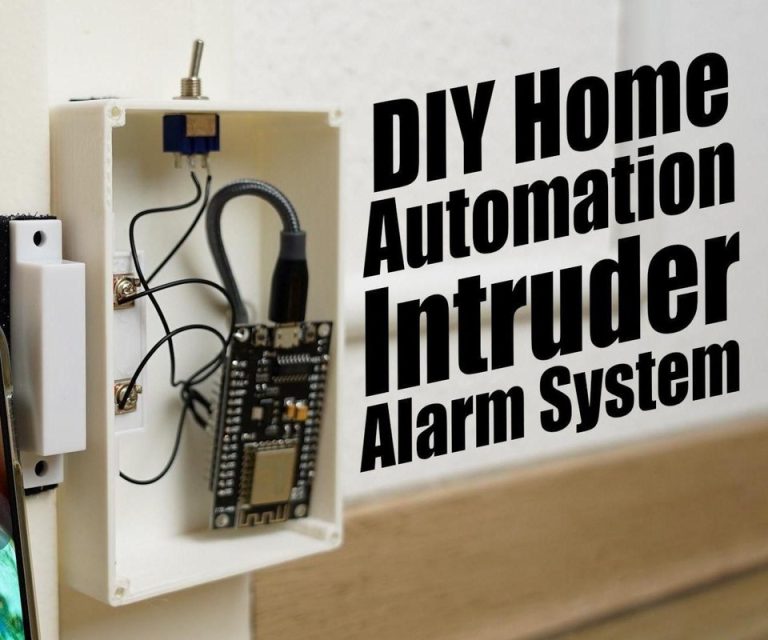
View on Amazon Quick Security Answer Self-monitoring puts your alarm alerts on your phone instead of a monitoring center. It costs less and gives you control, but you must stay reachable and test the system regularly. Smart Home Security Guide DIY alarm system self monitoring explained simply: you install the sensors, and your phone becomes…
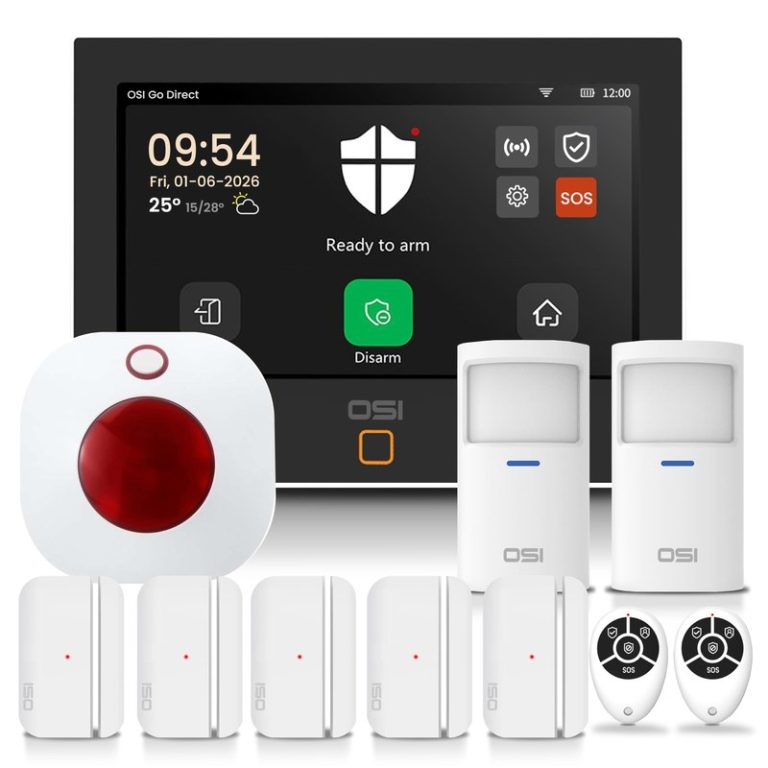
View on Amazon Quick Security Answer A no-monthly-fee alarm system uses a local hub, sensors, and your phone instead of a paid monitoring plan. You take on alerts and dispatch decisions, but you avoid recurring fees. Smart Home Security Guide An alarm system without monthly fee gives you security hardware without a recurring contract. You…
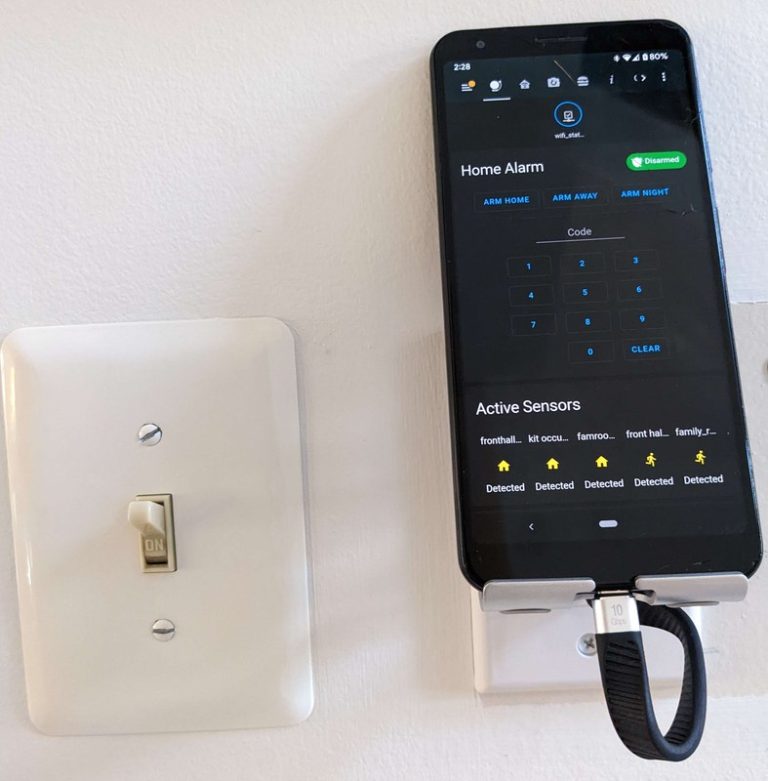
View on Amazon Quick Security Answer Cellular backup keeps your alarm connected to a mobile network when Wi-Fi or a landline fails. It works with professional monitoring or self-monitoring, but it requires a data plan and a panel with a good cellular signal. Smart Home Security Guide Understanding what is cellular backup in home alarm…
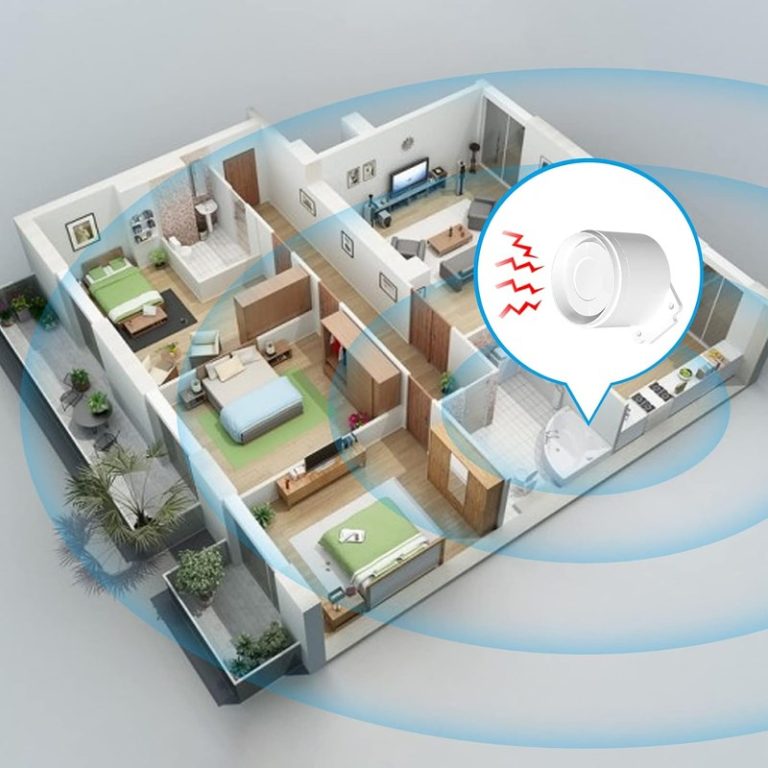
View on Amazon Quick Security Answer Mount your siren in a central hallway, 8 to 10 feet high, where sound travels best. Keep it visible but out of reach, and test it monthly. Smart Home Security Guide Knowing where to place home alarm siren units is one of the most overlooked steps in a home…
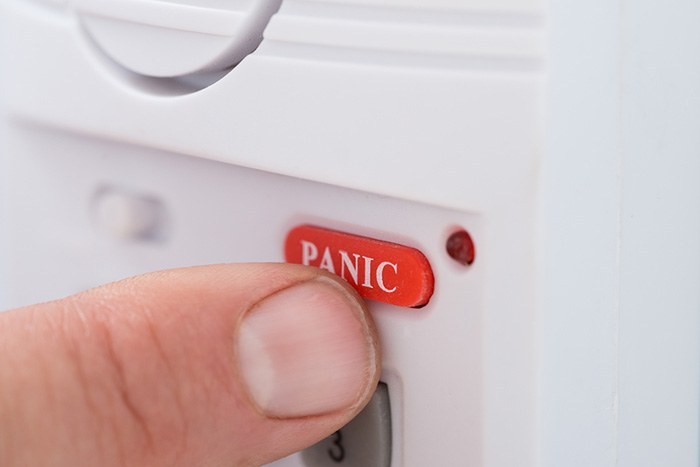
View on Amazon Quick Security Answer A panic button gives you a manual way to signal an emergency through your home alarm. It works only when the button, panel, power, network, and monitoring plan all work together. Smart Home Security Guide This guide offers a complete panic button for home alarm explained for beginners. You…
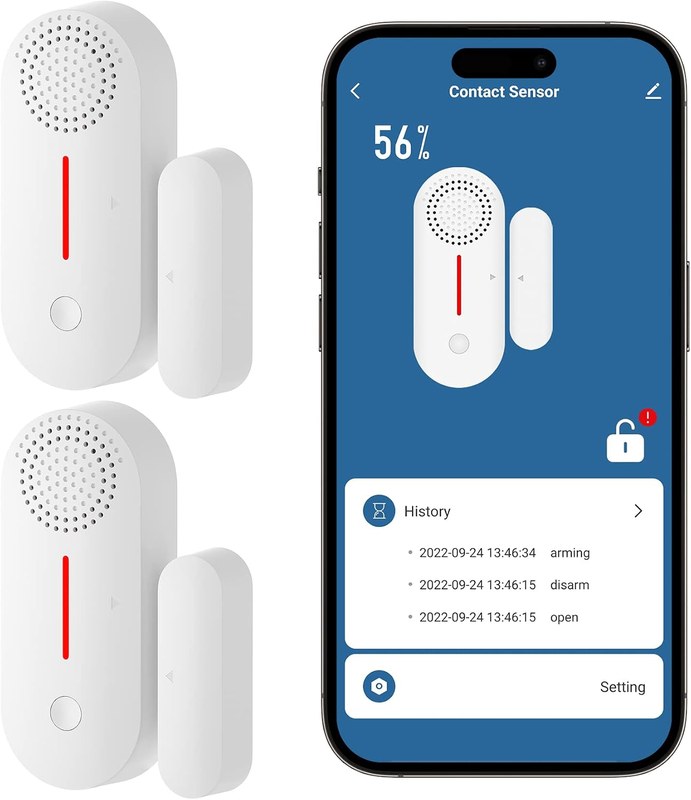
View on Amazon Quick Security Answer Most alarm sensors do not need Wi-Fi. They talk to a hub using low-power radio, and the hub handles internet access. Cameras and video doorbells are the exception because they stream video. Smart Home Security Guide The first question most buyers ask is do alarm sensors need wifi to…
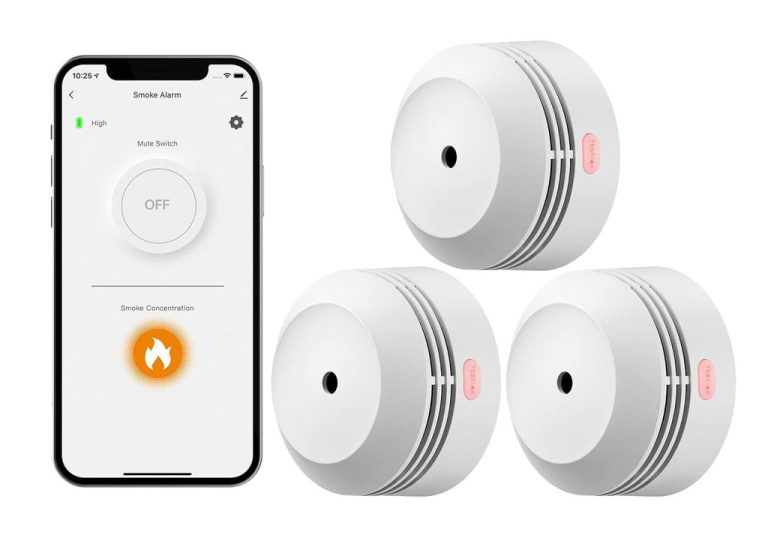
View on Amazon Quick Security Answer A smart smoke detector without subscription gives you loud local alarms and phone alerts with no monthly fee. You handle monitoring, maintenance, and response yourself, so verify Wi-Fi, power, and placement before buying. Smart Home Security Guide A smart smoke detector without subscription can send phone alerts, sound a…
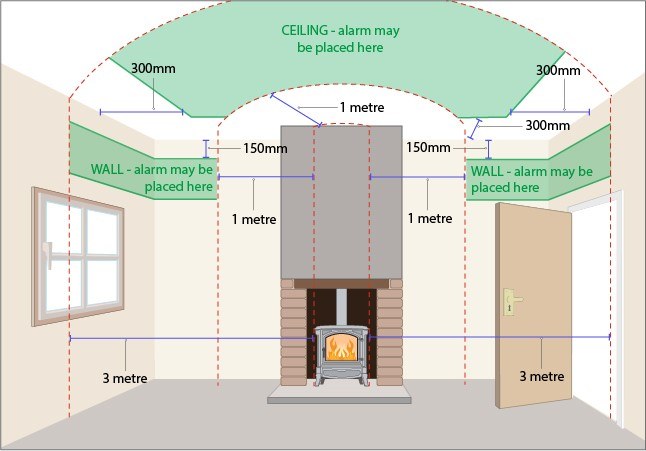
View on Amazon Quick Security Answer Place carbon monoxide detectors on every level of your home, outside each sleeping area, and near attached garages. Mount them at the height in the manual, keep them away from fuel-burning appliances, and test them monthly. Smart Home Security Guide Knowing where to place carbon monoxide detectors is one…