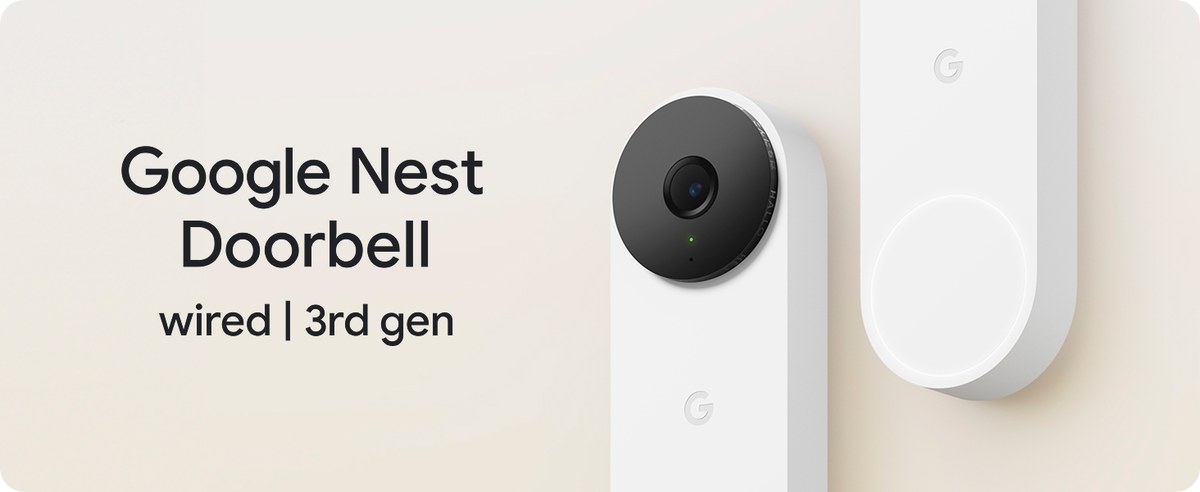
Yes, Nest Doorbell can have a monthly fee if you want cloud video history and some advanced features. Basic live view and alerts may still work without paying, depending on the model and current Google Home plan.
Does Nest Doorbell Have a Monthly Fee? The short answer is yes, but not always for basic use.
You can usually get live view and alerts without paying.
Recorded video history and some advanced features may need a Google Home subscription plan.
Does Nest Doorbell Have a Monthly Fee? The Short Answer for 2026
For most Nest Doorbell setups, basic viewing and notifications can work without a monthly fee.
The monthly cost starts when you want cloud video history, richer detection tools, or longer retention.
The exact plan and included features can change by model and region.
Check Google’s current plan page before you buy.
What You Get Without a Subscription: Live View, Alerts, and Basic Access
Live view, alerts, and basic access are available without a monthly fee.
A Nest Doorbell can still be useful on a free setup.
In many cases, you can see live video, get motion or doorbell alerts, and talk through the app.
That makes it workable for quick checks, package arrivals, and answering the door from your phone.
Which features work on a free plan
Free access usually covers the basics.
That often includes live streaming, app notifications, and two-way talk.
You may also be able to review limited recent activity, depending on the exact model and current Google Home app behavior.
Storage and subscription models differ a lot across brands.
How retention length changes the value of the subscription
Retention length means how long clips stay available.
Longer history can help if you miss a delivery, need a timeline for a repair visit, or want to check repeated motion.
Short retention may be enough for light-use homes, but not for busy entryways.
Who Should Consider Paying Monthly and Who May Not Need It
Whether the fee is worth it depends on how you use the doorbell.
Some households need recorded history every day.
Others mainly want live alerts and a quick way to answer the door.
Homeowners with package theft concerns or frequent visitors
Paying monthly makes more sense when the front door sees a lot of activity.
Frequent deliveries, service visits, and family traffic create more reasons to review past clips.
Recorded history can help you sort real events from false alerts.
Homeowners who want one account for several cameras may also get more value from a plan.
That is especially true when the front door is part of a larger home security setup.
Renters, seasonal homes, and light-use households
Renters may prefer the free features if they only need alerts and live view.
Seasonal homes may also use the doorbell less often, which can make monthly storage less valuable.
In those cases, the up-front hardware cost may matter more than the plan.
Still, renters should check building rules, drilling limits, and account transfer needs before installing anything permanent.
Cost tradeoffs over 1 year, 3 years, and 5 years
Monthly plans look small at first, but they add up.
Over one year, the plan may feel manageable.
Over three or five years, the subscription can cost more than the doorbell itself, depending on the model and current pricing.
US Price & Subscription
Typical device priceVerify current USD price by model
Accessories or installationMounting kit, wiring parts, or pro install may add cost
Cloud planOften required for video history
Professional monitoringNot the same as a doorbell plan
ContractVerify current terms before purchase
Troubleshooting Common Subscription and Access Issues
Most subscription problems show up as missing clips, expired features, or login trouble.
Start with the safest checks first.
Many issues come from power, Wi-Fi, or account settings rather than the plan itself.
Missing event history, delayed alerts, or expired plan symptoms
If event history is missing, confirm that the plan is active and linked to the right account.
Delayed alerts may point to weak Wi-Fi or a busy router.
If the plan expired, cloud clips may stop showing even though live view still works.
Device migration, app login problems, and ownership transfer steps
Changing phones, moving to a new home, or transferring ownership can break access if steps are skipped.
Sign in with the same Google account that owns the device.
If you are handing the doorbell to someone else, remove it from the old account first.
For setup and migration questions on similar battery doorbells, this doorbell setup guide can help you think through account and app steps, even if the brand is different.
When to check power, Wi-Fi, or Google Home settings first
Check power first if the unit is offline or keeps restarting.
Check Wi-Fi if alerts are late or clips will not load.
Check Google Home settings if the device is online but features are missing.
Final Takeaway
Nest Doorbell can work without a monthly fee for basic live viewing and alerts, but cloud history and some advanced features usually require a Google Home subscription.
If you want recorded clips and easier review, the plan may be worth it.
If you only need live access, the free setup may be enough.
Always verify the current plan, model, and installation requirements before you buy.
Yes, basic features like live view and alerts may work without a subscription. Video history and some advanced features usually need a Google Home plan.
You may still get live access and notifications, but older recorded events may not be available. The exact limits depend on the model and current plan rules.
Yes, Nest Doorbell needs Wi-Fi for alerts, live view, and cloud features. Weak signal or slow internet can delay notifications and video loading.
Often yes, but renters should check lease rules before drilling or changing wiring. Battery-powered options may be easier when permanent wiring is not allowed.
It may, depending on the current Google Home plan. Check the current plan page for device limits and included features.
Check whether the plan is active, the device is linked to the correct account, and the Wi-Fi connection is stable. If the plan expired, cloud history may stop showing.
Hi, I'm Marcus Sterling, a smart home security expert with over 5 years
of hands-on experience testing and reviewing hundreds of security cameras, smart locks, and alarm systems. My mission is to make smart home security accessible, affordable, and easy to understand—and every review I publish is 100% independent, unbiased, and honest. I don't accept payments for positive reviews, just practical advice to help you secure your home with confidence.
Quick Security Answer Battery life depends mostly on motion activity, Wi-Fi strength, and how often you use Live View. For most homes, the best results come from careful placement, tuned motion zones, and a charging routine that fits your schedule. ring battery doorbell battery life is usually best understood as a range, not a fixed…
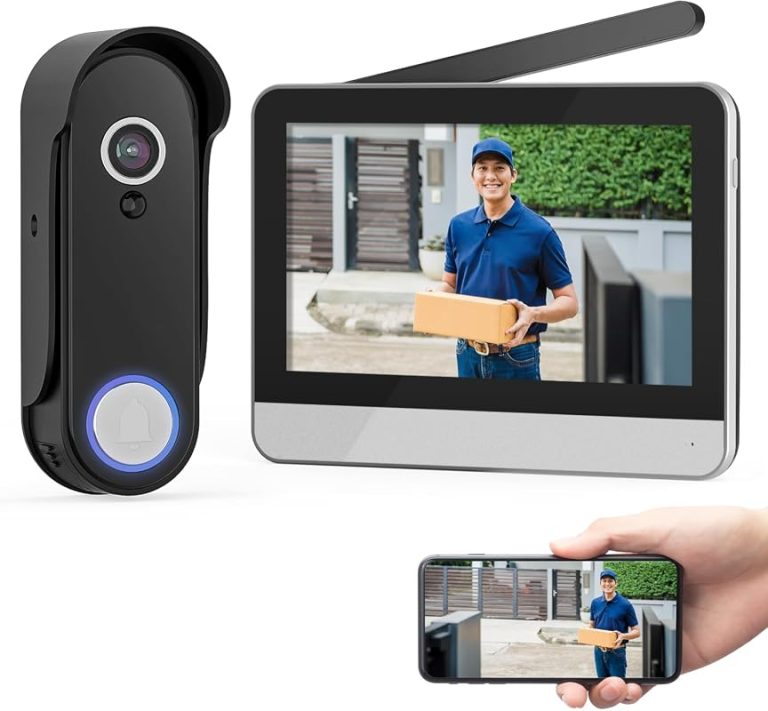
Compare video doorbell with monitor by security features, privacy, smart home fit, setup, fees, and value. Read the guide to find the right option for your.
Setting up the eufy Video Doorbell E340 gives us a clear view of our entryway and phone alerts when someone arrives. We can install it with battery power or connect it to compatible existing doorbell wiring. We can complete the setup by charging the battery, choosing a suitable mounting spot, installing the hardware, and connecting…
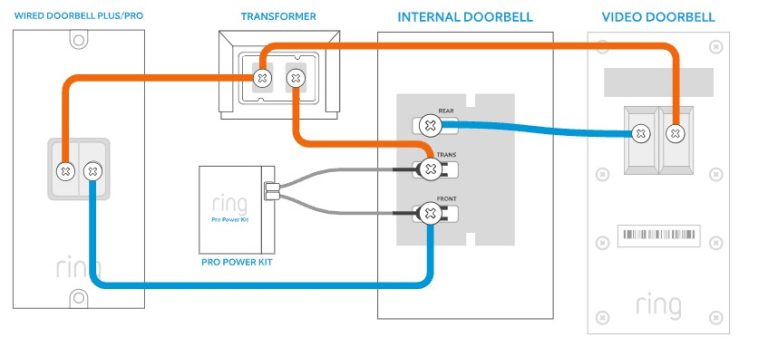
Quick Security Answer A wired Ring doorbell diagram helps you confirm the transformer, chime, and low-voltage wiring before installation. If the wiring, Wi-Fi, or property rules are unclear, verify the manual first and consider a qualified installer. The ring video doorbell wired installation diagram helps you see how power flows from the transformer to the…
The eufy Video Doorbell E340 supports several chime options, but compatibility depends on the setup you choose. You can use an existing wired chime, a compatible eufy add-on chime, supported HomeBase models, Alexa devices, or Google Assistant devices. For the simplest wireless setup, use the official eufy Add-On Chime, while wired installations require a 16–24…
The eufy Video Doorbell E340 can show connection, video, audio, motion, or chime problems. We can often fix these issues with basic checks before changing settings or resetting the device. We can troubleshoot the E340 by checking power, Wi-Fi, app settings, firmware, and connected devices in a clear order. This guide covers common faults, safe…






3 Comments