A Ring battery doorbell usually takes several hours to charge, but the exact time depends on the model, battery level, charger, and temperature. If charging seems slow, check the cable, power source, Wi-Fi, and battery age before assuming the device is faulty.
how long does ring battery doorbell take to charge is a common question. The answer affects downtime, security coverage, and daily routines. In most cases, a Ring battery doorbell takes several hours to fully recharge. The exact time depends on the model, battery level, charger, and power source.
How Long Does a Ring Battery Doorbell Take to Charge?
Most Ring battery doorbells charge in a few hours. They need a suitable USB power source. A near-empty battery usually takes longer than a battery with some charge left. The exact time varies by model and by how much power the charger can supply.
Typical charging time for a full battery
For a typical full recharge, expect several hours. It is not a quick top-off. A deeply drained battery may need a longer session. If the battery is only partly used, charging can finish faster.
Ring’s published guidance can differ by model. Check the exact manual for your doorbell. If you are comparing models or trying to understand battery behavior more broadly, our guide on the Eufy E340 battery life and charging shows how charging time can vary across battery-powered doorbells.
What affects charging speed in real-world use
Charging speed changes with battery age, temperature, cable quality, and the power source. A cold battery may charge more slowly. A weak USB port or low-output adapter can also add time.
Frequent motion alerts, live view use, and repeated notifications can drain the battery faster than expected. That means the doorbell may seem to “take longer” to stay ready, even when the actual recharge time is normal.
Why Battery Doorbell Charging Time Matters for U.S. Homes and Rentals
Battery doorbell charging time affects home security readiness in U.S. homes and rentals
Charging time matters because a battery doorbell is briefly offline or less useful while it recharges. That affects homes that rely on video alerts at the front door. It also matters in rentals, where access, mounting, and power options may be limited.
Apartment, condo, and single-family placement differences
In apartments and condos, the doorbell may face shared hallways or limited outlet access. In single-family homes, the device may sit farther from the router and may see more weather exposure. Both settings can affect how often the battery needs charging.
Why downtime matters for security coverage and alerts
When the battery is out for charging, you may miss motion events or doorbell presses. That does not mean the home is unprotected, but it does reduce camera availability. Families, caregivers, and landlords should plan for that gap.
Emergency Notice
A smart security device is not a substitute for emergency services. In an immediate US emergency, call 911 when it is safe to do so.
How to Charge a Ring Battery Doorbell Safely
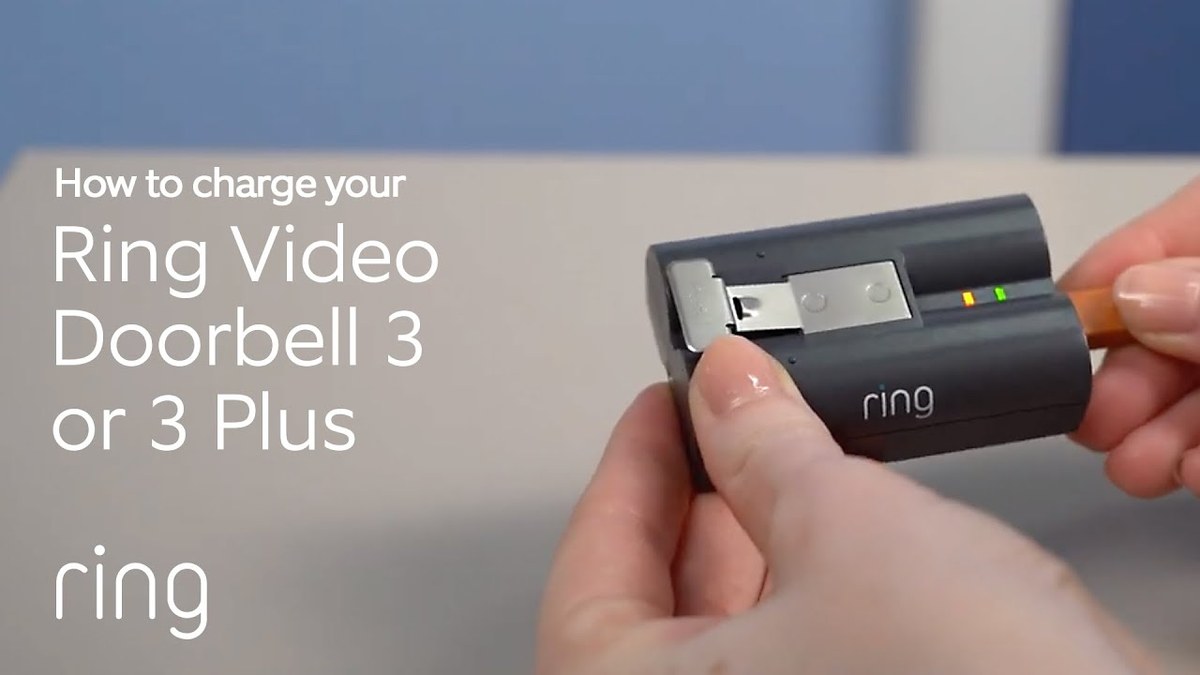
The safest charging method is the one listed in the exact model manual. In most cases, that means removing the battery pack or removing the doorbell from its mount. Then use the approved cable and a standard indoor USB power source.
Removing the battery or doorbell for charging
Some Ring models let you remove only the battery. Others may require removing the whole doorbell from the mount. Follow the model-specific steps. Avoid forcing clips or connectors.
If wiring is involved, stop and follow the manual. Exterior mounting and low-voltage wiring can create safety and property risks if done incorrectly.
Using the included cable, USB power, or indoor outlet
Use the cable that came with the device when possible. A standard indoor USB outlet or adapter is usually the safest choice. Avoid charging outdoors or in damp areas.
Checking charge status in the Ring app
The Ring app can help you confirm battery level and charge progress. Check the battery indicator after the device reconnects. If the app does not update, refresh the device status and confirm Wi-Fi is working.
App access also matters for household sharing. If more than one adult uses the doorbell, make sure everyone knows who gets alerts and who can change settings.
What Can Slow Down or Speed Up Charging<
Factors like charger type and battery level can affect charging speed.
/h2>
Battery age, temperature, the charger, and usage patterns all affect how long charging takes. A healthy battery on a strong indoor charger will usually finish faster than an older battery on a weak power source.
Battery age, temperature, and storage conditions
Older batteries often hold less charge and may recharge less efficiently. Extreme cold or heat can also slow charging. If the battery has been stored for a long time, it may need extra time before it reaches full capacity.
Charger wattage, cable quality, and power source limits
A higher-quality cable and a properly rated USB power source can help the battery charge more consistently. A loose cable, damaged cord, or low-power port can slow the process. If charging seems unusually slow, swap the cable first.
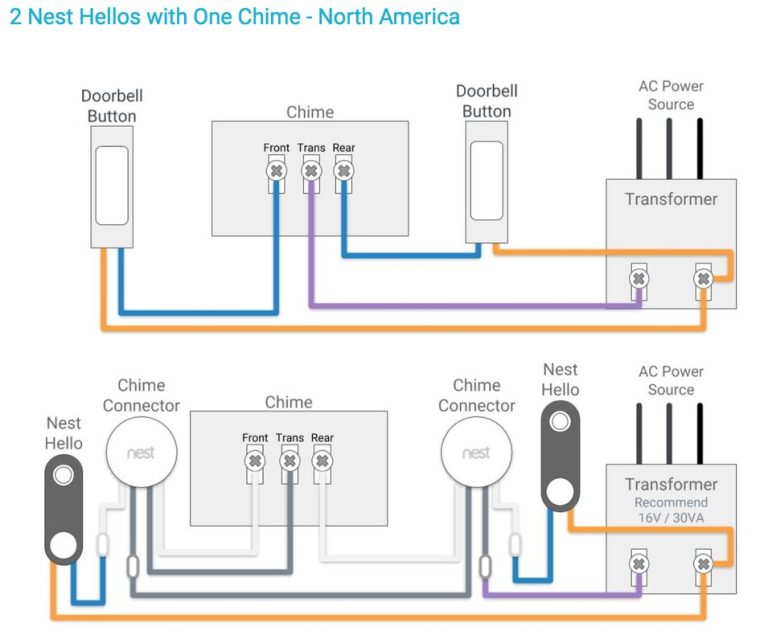
For wired doorbell setups, power compatibility is a separate issue from battery charging. If your home uses existing doorbell wiring, review the doorbell wiring basics for video doorbells before making changes.
Frequent motion events, live view, and battery drain cycle
Heavy use can shorten the time between charges. Motion alerts, live view sessions, and poor Wi-Fi can all increase battery drain. That means a “slow charging” complaint may actually be a “fast draining” problem.
Installation and Placement Considerations While the Battery Charges
Placement affects how often you charge and how much useful footage you get. A good mounting position can reduce false alerts, improve face capture, and help the battery last longer between charges.
Doorbell angle, field of view, and mounting height
Mount the doorbell at the height recommended in the manual. The angle should show the visitor’s face and the approach path. If the camera points too high or too low, you may miss useful motion.
For renters and owners alike, the best position balances visibility with privacy. A clear view of the entry path is useful, but unnecessary coverage of neighbors is not.
Weather exposure, shade, and night performance
Battery doorbells handle daily weather exposure, but direct sun, wind, and extreme temperatures can affect performance. Shade may help reduce heat stress. At night, lighting near the door can improve video quality and reduce motion misses.
Renter-friendly mounting and homeowner wiring options
Renters often need removable mounts or adhesive options that respect lease rules. Homeowners may prefer a wired setup for steadier power. Either way, confirm approval before drilling or changing shared entry hardware.
Power, Wi-Fi, and App Requirements That Affect Daily Use
Charging is only one part of the experience. Wi-Fi, app setup, and account access shape how well the doorbell works after it is fully charged. A battery doorbell still depends on a stable home network.
Wi-Fi band stability, signal strength, and router distance
Weak Wi-Fi can make the device slower to connect and may increase battery use. In many homes, router distance and wall material matter more than the brand of the doorbell. A mesh system can help if the front door is far from the router.
Ring app setup, firmware updates, and account recovery
Keep the app updated and install firmware updates when available. Updates can improve stability and security. Also make sure account recovery options are current, especially if multiple adults share access.
Shared users, permissions, and multi-device access
Shared access is helpful for families and property managers, but permissions should be reviewed carefully. Only give access to people who need it. Remove old users when they no longer need the account.
Storage, Subscriptions, and Monitoring After the Battery Is Recharged
Once the battery is charged, the next question is what happens to recordings, alerts, and storage. These features depend on the exact Ring plan and device setup. The battery itself does not control storage length or access.
Cloud recording basics and how retention works
Cloud recording means clips are saved online instead of only on the device. That can help if the doorbell is stolen or damaged, but it also means your account and internet connection matter. Retention rules vary by plan and region.
Local Storage
Useful when you want footage kept on hardware you control.
Access can be faster on the same network.
The device or storage card can still be lost or damaged.
Cloud Storage
Useful when you want off-device access and remote review.
Depends on the provider, account, and internet service.
Plan terms, retention, and export options can change.
Subscription differences for event history and alerts
Some features may work without a plan, while others may require one. Before you rely on event history, check the current plan page and exact device support. If you want to compare storage choices, the Ring local storage guide explains how local and cloud storage differ in practice.
Self-monitoring limits versus professional response expectations
Most battery doorbell setups are self-monitored. That means the household handles alerts. That is useful for flexibility, but it does not guarantee emergency dispatch. Professional monitoring, when offered, depends on the product and plan.
Self-Monitoring
The household receives alerts and decides what action to take.
Usually has lower ongoing cost.
Does not guarantee emergency dispatch.
Professional Monitoring
A monitoring center may review eligible alarms.
Dispatch availability depends on the plan and event.
Fees, contracts, permits, and false-alarm rules may apply.
Privacy, Cybersecurity, and Neighbor Considerations
Battery charging is a daily task, but privacy settings shape long-term use. A doorbell camera can record visitors, deliveries, and nearby public areas. Good settings help reduce unnecessary capture while keeping the front door visible.
Privacy zones, motion settings, and audio controls
Use motion zones and privacy zones to limit what the camera sees. Adjust motion sensitivity so the device does not record every passing car. Check audio settings if your household wants to limit sound capture.
MFA, password hygiene, and secure sharing practices
Use a unique password and turn on multi-factor authentication, or MFA. That adds a second sign-in step. It can help protect the account if a password is exposed elsewhere.
Recording boundaries for sidewalks, shared halls, and neighboring property
Be careful with cameras that point at sidewalks, shared hallways, or a neighbor’s doorway. Public and shared spaces can create privacy concerns. If you live in a rental or condo, review building rules before changing camera direction.
Maintenance, Battery Life, and Ownership Cost Over Time
Long-term cost is not just the device price. It also includes charging time, battery wear, plan costs, accessories, and any installation help. The easiest system to live with is often the one that fits your routine.
How often charging is needed in normal use
Charging frequency depends on motion activity, Wi-Fi strength, weather, and how often people use live view. A busy front door may need more frequent charging than a quiet entry. Homes with frequent package deliveries often see faster drain.
Battery wear, replacement planning, and long-term cost factors
All rechargeable batteries wear down over time. If charging gets slower or the battery no longer holds power well, replacement may be needed. That is part of the total cost of owning a battery doorbell.
If you are comparing whole-device behavior, it can help to read about related battery-powered models like the Ring Indoor Cam 2nd Gen battery setup. Battery habits, app alerts, and recharge routines often follow similar patterns across smart security devices.
When charging issues signal a hardware or setup problem
If a battery takes far longer than expected, or never reaches full charge, check the cable, adapter, outlet, and battery contacts first. Then review firmware and app status. If the problem continues, the battery or device may need service.
Final Takeaway
A Ring battery doorbell usually takes several hours to charge. The exact time depends on the model, battery condition, and power source. For the safest result, follow the manual, watch for fast drain, and verify app and Wi-Fi settings before assuming the battery is the problem.
Most Ring battery doorbells take several hours to fully recharge. Exact timing depends on the model, battery level, charger, and temperature.
Usually, the device is less available while the battery is removed or recharging. Check the exact model manual to see whether the doorbell must come off the mount.
Slow charging can come from an old battery, a weak adapter, a poor cable, or cold temperatures. Heavy motion activity can also make the battery seem harder to keep charged.
Yes, Wi-Fi is needed for alerts, live view, app features, and cloud access. Weak signal can also increase battery drain and make the device less responsive.
Some features may work without a plan, but recording and history features can depend on the current Ring plan and device support. Check the current plan page for the exact model.
Start with the cable, adapter, outlet, battery contacts, app status, and firmware updates. If the problem continues, the battery or doorbell may need service.
Hi, I'm Marcus Sterling, a smart home security expert with over 5 years
of hands-on experience testing and reviewing hundreds of security cameras, smart locks, and alarm systems. My mission is to make smart home security accessible, affordable, and easy to understand—and every review I publish is 100% independent, unbiased, and honest. I don't accept payments for positive reviews, just practical advice to help you secure your home with confidence.
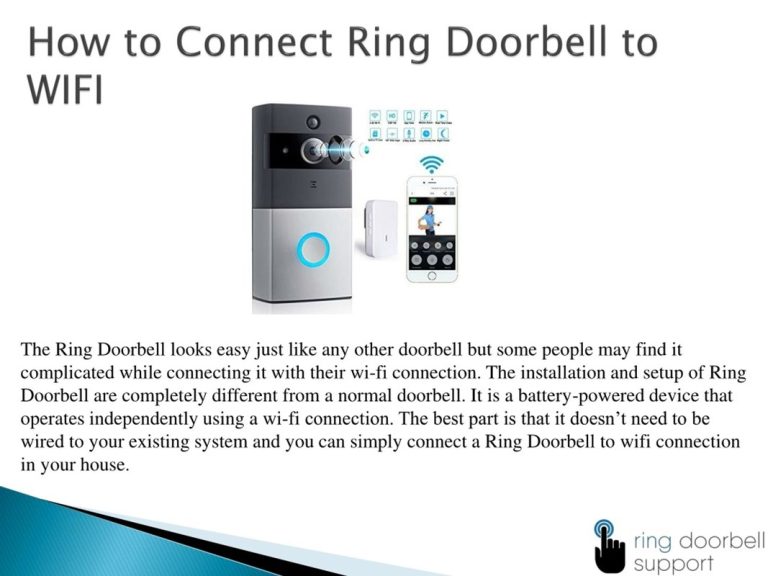
Quick Security Answer Connect the doorbell in the Ring app, join the temporary setup network, and choose your home Wi‑Fi. If pairing fails, check power, signal strength, and the correct Wi‑Fi band first. Ring video doorbell connect to wifi is usually a quick app setup. The exact steps depend on the model and your home…
Quick Security Answer Some video doorbells can still record locally or ring a chime without Wi-Fi, but most app alerts and remote viewing stop. The best setup depends on whether you need offline recording, a wired chime, or cloud access. Do video doorbells work without wifi is a common question. Many people want security when…
Compare video doorbell for renters by security features, privacy, smart home fit, setup, fees, and value. Read the guide to find the right option for your home.
Quick Security Answer A wired video doorbell can work with an existing chime if the transformer, wiring, and chime type match the model’s requirements. Check those details first, because compatibility, Wi-Fi strength, and storage costs often decide whether the setup is simple or frustrating. A wired video doorbell that works with existing chime is often…
Quick Security Answer Yes, many Ring battery doorbells can be hardwired to existing low-voltage doorbell wiring. In most homes, that wiring helps charge the battery rather than replace it. can ring battery doorbell be hardwired is a common question. Many Ring battery models can connect to existing low-voltage doorbell wiring. But that wiring usually helps…
Quick Security Answer SimpliSafe video doorbell installation is usually simple if your wiring, Wi-Fi, and mounting spot are ready first. Renters should check permission rules before drilling, and every user should review app security and recording settings after setup. Simplisafe video doorbell installation is usually simple for a homeowner with wired doorbell power. But the…



3 Comments