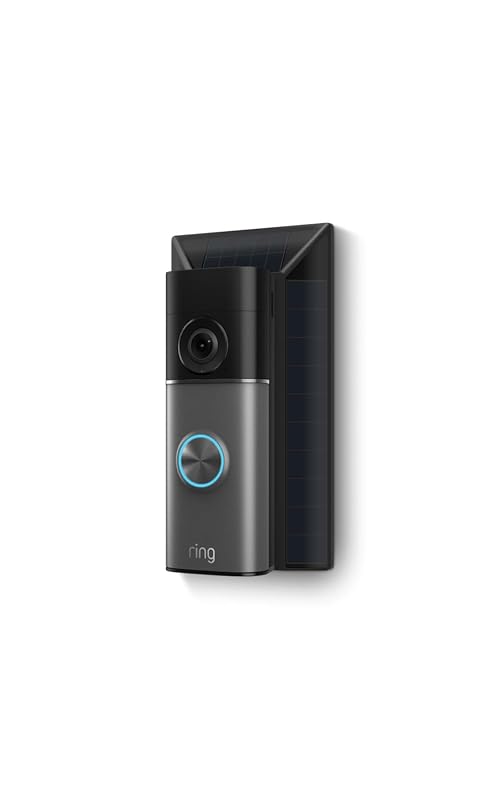
Google home and ring video doorbell can work together in practical ways, but the setup is not as seamless as many homeowners expect. If you want reliable alerts, a clear view of your front door, and fewer privacy surprises, the key is understanding what Google Home can do with Ring, what it cannot do, and how your Wi-Fi, power, and account settings affect daily use.
In this guide, I’ll walk through compatibility, setup, privacy, troubleshooting, and maintenance for US homeowners, renters, and small-property owners. The goal is simple: help you decide whether a Ring video doorbell fits your Google Home setup and how to install it safely and responsibly.
How Google Home and Ring Video Doorbell Work Together
At a high level, Ring is the doorbell and camera system, while Google Home is the smart-home platform that can display or react to supported devices and integrations. In many homes, that means Google Assistant or Google Home can help with voice control, routines, or device visibility, depending on the exact Ring model, app version, and current integration support.
Important limitation: Google Home support does not automatically mean full video streaming, rich two-way control, or every Ring feature inside the Google Home app. Integration details can change over time, and some features may remain inside the Ring app only. Always verify the exact model and current platform support before buying or installing.
Verification required: Remove unsupported badges and explain whether a hub, bridge, plan, firmware version, or specific feature is required.
What to Check Before You Buy or Install
Checklist for checking compatibility and installation needs before setup.
Before mounting anything, confirm four basics: power, Wi-Fi, app/account requirements, and where the camera will point. Those four items cause most setup problems.
US Electrical & Power Check
Verify the exact input voltage, transformer or adapter requirement, outlet, low-voltage wiring, battery backup, and professional-installation guidance.
Doorbell Transformer & Chime Check
Confirm the exact voltage and VA requirement.
Verify mechanical or digital chime compatibility.
Check whether a connector, power kit, bypass, or adapter is required.
Turn off power and use a qualified installer when wiring is uncertain.
For most US households, the cleanest approach is to set up the Ring doorbell in the Ring app first, confirm it works there, and then connect the supported Google Home integration afterward. That order helps you separate hardware issues from platform issues.
1
Confirm requirements
Verify the exact model, power, network, storage, placement, household, rental, and platform requirements.
2
Plan safe placement
Consider privacy, field of view, weather, height, doors and windows, wiring, and emergency access.
3
Install and secure
Follow the exact manual, update firmware, use a unique password, and enable MFA.
4
Test and maintain
Test alerts, recording, outage behavior, batteries, users, permissions, and backup procedures.
Step 1: Set up the Ring device first
Install the doorbell according to the exact manual for your model. Battery units usually need charging before setup. Wired units may require a transformer check, chime compatibility check, or a power kit. If you are not comfortable with low-voltage wiring, stop and consult a qualified installer.
Step 2: Connect to your home network
Use the Ring app to join the doorbell to your Wi-Fi. If your router is far from the front door or the signal passes through brick, metal, or multiple walls, a mesh system or access point may help more than a doorbell replacement. If your internet upload speed is weak, motion clips and live view may feel slow or fail to load reliably.
Wi-Fi & Network Check
Explain supported bands, upload needs, router distance, mesh behavior, Ethernet or PoE, hub requirements, outage behavior, and network-isolation options where relevant.
Step 3: Link Ring to Google Home
After the Ring app is stable, use the Google Home app or Assistant integration path supported for your account and region. Expect this to be an account-linking process rather than a full local-only connection. If something disappears after an app update, recheck authorization, shared-user permissions, and whether the integration still supports the exact feature you are trying to use.
Step 4: Test notifications and routines
Test motion alerts, doorbell presses, and any voice or routine actions you plan to use. In family homes, make sure everyone who needs access is added correctly. In rentals, make sure the landlord or HOA rules allow the device and that the mounting method is allowed before drilling or hardwiring.
Installation Warning
Address electrical power, transformers, drilling, ladders, weather exposure, door or window operation, rental rules, HOA limits, and professional help where relevant.
Privacy, Audio, and Neighbor Considerations<
Smart home security settings can affect privacy, audio capture, and nearby neighbors
Video doorbells can record more than the front stoop if they are aimed too wide or mounted too high. That matters for sidewalks, shared hallways, neighboring doors, and public areas. A good setup balances visibility with privacy.
Privacy & Data for US Users
Explain audio and video recording, privacy zones, encryption claims, MFA, local and cloud storage, retention, deletion, shared users, app permissions, third-party access, and state-specific choices where documented.
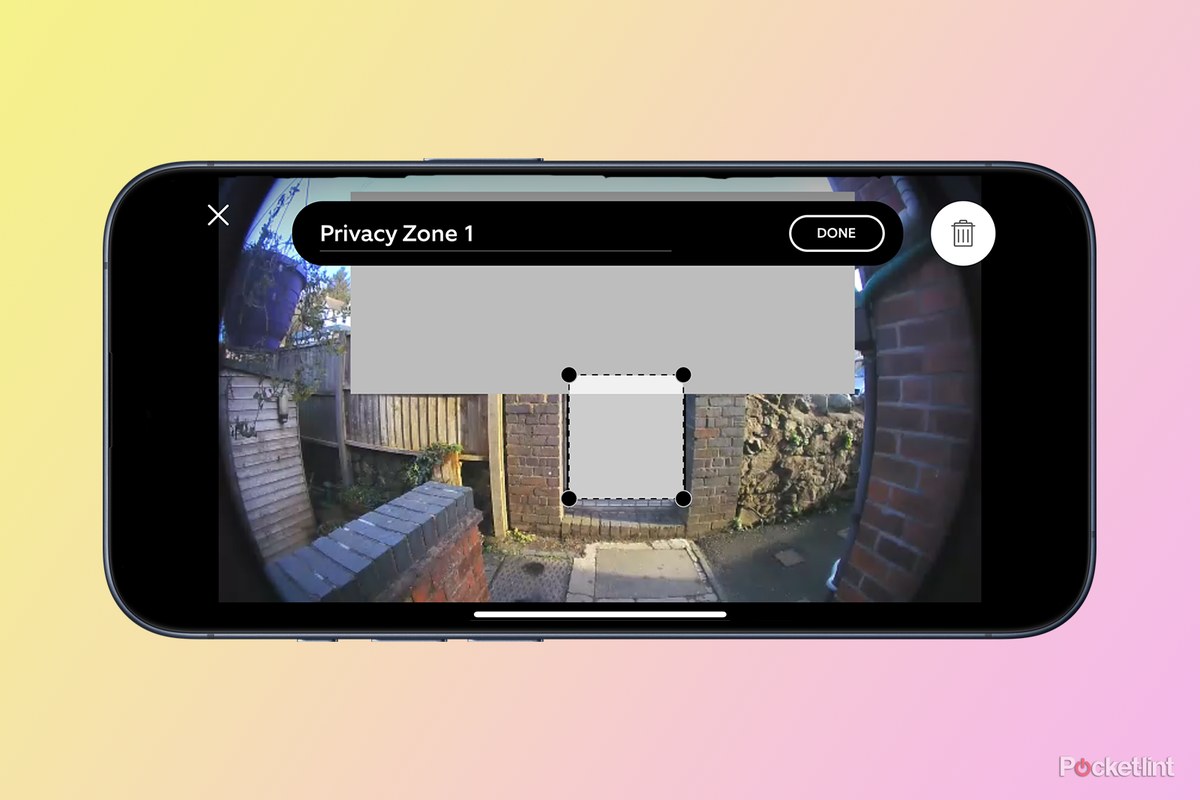
Use privacy zones or motion zones if the model supports them. Limit the camera to your own entry path when possible. If the doorbell captures audio, be thoughtful about conversations near the front door, especially in apartments or townhomes where neighbors are close by. State and local recording rules can vary, so check the law for your address if you are unsure.
Storage, Subscriptions, and Daily Use
One of the biggest practical differences between smart doorbells is how recordings are stored and how long they remain available. Some features may require a subscription, while others may work with limited local or event-based storage. The exact setup depends on the model and current plan terms.
Local Storage
Explain hardware, capacity, access, backup, and theft risks.
Cloud Storage
Explain plan cost, retention, internet dependence, account access, and provider controls.
Daily use also means housekeeping: check event history, delete old clips you do not need, confirm who has shared access, and review whether family members or caregivers still need the same permissions. If your household includes children, older adults, or rotating caregivers, shared access should be simple enough that the right person can answer the door without giving everyone full account control.
Security and Cybersecurity Basics
Smart doorbells are internet-connected devices, so the security of the device depends partly on the home network and account hygiene. A strong password and multifactor authentication matter more than most people realize.
Cybersecurity Checklist
Use a unique password and enable MFA.
Update device, hub, router, and app software.
Review shared users, sessions, permissions, and integrations.
Use modern Wi-Fi security and isolate unsupported devices when practical.
Confirm how recordings and account data can be exported or deleted.
Also review third-party integrations. If you connect Ring to Google Home, Alexa, routines, or other services, those permissions should be intentional. Remove any integration you no longer use. If you sell the home or replace the device, delete the old account connection and confirm the device is removed from all linked apps.
Compatibility, Power, and Compliance Checks
Not every feature works the same way across every Ring model, Google account, or US region. Before you rely on a feature, verify the exact model documentation and current support pages.
Display only status verified for the exact US model. Do not treat FCC authorization, a safety listing, and a weather rating as interchangeable.
US Measurements
Use inches for device dimensions, feet for placement or detection distance, square feet for coverage, and °F for operating temperature. Add metric values only as secondary references.
If you are wiring a doorbell, the transformer and chime matter as much as the camera. If you are not sure what is behind the wall, do not guess. That is especially important in older homes, where the existing wiring may not match the requirements of a newer video doorbell.
Troubleshooting Common Google Home and Ring Issues
Most problems fall into a few predictable categories.
Doorbell appears in Ring but not in Google Home
Re-link the account, confirm you used the correct Google profile, and check whether the device is supported in your region. Sometimes the issue is not the hardware but a stale authorization or a changed integration permission.
Delayed notifications or missed motion alerts
Check Wi-Fi strength at the door, router congestion, motion sensitivity, and whether your phone has battery saver or notification restrictions enabled. If the doorbell is on the edge of your Wi-Fi range, the fix is often network improvement, not more app resets.
Live view loads slowly or drops
Weak upload speed, poor signal, or overloaded mesh nodes are common causes. Try testing the camera when no one else is streaming heavily, and move the router or add coverage if needed.
Chime or power problems
For wired models, recheck transformer voltage, chime compatibility, and any required power accessory. If the manual says to stop, stop. Electrical shortcuts can damage the device or create a safety issue.
Security Alert
If the doorbell is repeatedly disconnecting, overheating, or showing electrical symptoms such as buzzing, burning smell, or inconsistent power, stop using it and follow the manufacturer’s instructions or contact a qualified professional.
Self-Monitoring vs. Professional Monitoring
Many video doorbells are used as self-monitored devices: you get the alert, check the video, and decide what to do. That is often enough for package delivery, visitor screening, and routine front-door awareness. Professional monitoring, when offered, is a different service and may involve plan limits, eligibility rules, or dispatch limitations.
Self-Monitoring
The household receives alerts and decides what action to take.
Usually has lower ongoing cost.
Does not guarantee emergency dispatch.
Professional Monitoring
A monitoring center may review eligible alarms.
Dispatch availability depends on the plan and event.
Fees, contracts, permits, and false-alarm rules may apply.
For a front-door camera, self-monitoring is usually the more relevant model. Even then, remember that a camera is not a substitute for locks, lighting, or emergency services.
Pros and Cons in Plain English
Advantages
Lets you see and speak to visitors from the Google Home-connected household setup.
Can improve front-door awareness for families, caregivers, and renters.
Useful when paired with good Wi-Fi, correct placement, and clear account sharing.
Limitations
Integration features may be more limited than the native Ring app.
Power, chime, and Wi-Fi issues can cause unreliable performance.
Cloud storage, sharing, and privacy settings require ongoing attention.
Warranty, Returns, and Support
Before buying, check the current US warranty, retailer return window, and support channels for the exact model. Those details can change by retailer and product revision, so they should be verified close to purchase.
Source and Verification Notes
For a setup like this, the most trustworthy references are the exact Ring manual, current Ring support pages, current Google Home support pages, and any FCC or safety listings for the specific US model. If you are checking power or wiring, use the installation guide for that exact model rather than a general video doorbell article.
Final Takeaway
Google Home and Ring can be a practical combination for US homeowners and renters, but the best results come from careful setup, verified compatibility, and realistic expectations about which features live in which app. Focus first on power, Wi-Fi, privacy, and account security, then confirm the exact integration features you need before you mount the doorbell or depend on it daily.
Yes, but the support is limited. You can usually use Google Home to view a Ring doorbell stream on compatible smart displays, but setup depends on the exact Ring model and the Google device you own.
Most newer Ring video doorbells with app-based smart home support are the best candidates, but compatibility can vary by region and firmware. Before buying, verify the exact model on Ring’s current compatibility list for Google Assistant and Google Home.
Usually no separate hub is required for the doorbell itself, but you do need a stable Wi-Fi connection and the Ring app plus Google Home app. Some features may also require linking your Ring account to Google and enabling the proper permissions.
If Wi-Fi is down, live video, alerts, and Google Home viewing will stop until the connection returns. Battery-powered models may still run locally for a while, but wired models can lose functionality during a power outage unless backed up by a battery or UPS.
A Ring Protect plan is often needed for video recording, event history, and cloud storage. Without a subscription, you may still get motion alerts and live view, but you should check which features are included with your exact doorbell model.
Confirm model compatibility, Wi-Fi strength, app versions, and whether your Google device supports doorbell video previews. Also review privacy settings, account security, and any ownership costs like subscriptions, replacement batteries, or installation accessories.
Hi, I'm Marcus Sterling, a smart home security expert with over 5 years
of hands-on experience testing and reviewing hundreds of security cameras, smart locks, and alarm systems. My mission is to make smart home security accessible, affordable, and easy to understand—and every review I publish is 100% independent, unbiased, and honest. I don't accept payments for positive reviews, just practical advice to help you secure your home with confidence.
Quick Security Answer Check the app settings, then look at placement, power, and Wi-Fi. Most Ring motion issues come from a narrow zone, a poor angle, or a weak connection. When a ring video doorbell not sensing motion issue shows up, the cause is usually simple. It is often placement, app settings, power, or Wi-Fi….
Quick Security Answer Google Nest Doorbell battery life depends mostly on motion, placement, Wi-Fi, and how often you open the app. In busy homes, expect more frequent charging than in quiet ones. Google Nest Doorbell Battery Life is usually best understood as “how busy is your front door?” not a fixed number on the box….
Compare ring battery doorbell plus solar charger for home coverage, privacy, power, storage, subscriptions, and value. Read the guide before choosing a system.
Video doorbells let us see visitors, speak with them, and monitor activity near the entrance without opening the door. Models with wireless cameras and app controls can also send alerts when they detect motion, while a local hub can store recordings and connect other security devices. The eufy Video Doorbell E340 + HomeBase 3 bundle…
Compare the best smart locks for apartments with fingerprint, keypad, and app access. See renter-friendly picks, privacy notes, and current price checks.
Choosing between the eufy Video Doorbell E340 and S330 depends on how you plan to power, install, and use your doorbell. Both models offer dual-camera coverage, but their storage, hub requirements, and daily features differ. We recommend the E340 for most homes because it works as a standalone doorbell, supports local storage expansion, and offers…