Ring is usually not a native Apple HomeKit doorbell, so most Apple features depend on workarounds rather than full Home app support. For U.S. buyers, the best next step is to verify the exact model, power, Wi-Fi, and plan details before setup.
Ring video doorbell apple homekit is a common search because many U.S. buyers want one doorbell that fits both ecosystems. The short answer is that Ring and Apple HomeKit do not offer broad native compatibility, so most setups depend on workarounds, not full Apple Home app support.
Ring Video Doorbell Apple HomeKit: What Works in 2026 and What Does Not
For most U.S. homeowners and renters, Ring works best inside the Ring app, not the Apple Home app. If you want Apple HomeKit Secure Video, Siri control, or deep Home app automation, Ring is usually not the cleanest fit. If you mainly want motion alerts, live video, and a familiar app, Ring can still be useful on its own.
Quick answer for U.S. homeowners and renters
Ring video doorbells are generally not a native Apple HomeKit doorbell line. That means you should not expect full Home app control, HomeKit Secure Video, or the same automation experience you get from a doorbell made for Apple Home.
Why HomeKit compatibility is a special case for Ring
HomeKit is Apple’s smart home platform. It has strict device support rules. Ring is part of Amazon’s ecosystem, so support often centers on Ring app features and Alexa integration instead. Some third-party bridges and software tools may create partial Apple Home access, but those paths vary and can break with updates.
How Ring Video Doorbell Fits Into Apple HomeKit and HomeKit Secure Video
Ring Video Doorbell compatibility details for Apple HomeKit and HomeKit Secure Video.
Ring and Apple can overlap in a few limited ways. They do not usually work as a true native pair. The main issue is that Apple HomeKit Secure Video needs supported hardware and Apple’s own home structure. Ring’s native experience stays in the Ring app, with optional ecosystem links elsewhere.
Direct support versus workaround integrations
Direct support means the device appears in Apple Home with normal controls and automations. Workarounds usually rely on a bridge, cloud service, or unofficial integration. Those methods may show live view or alerts, but they often miss full two-way features, stable recording, or HomeKit Secure Video.
Verification required: Remove unsupported badges and explain whether a hub, bridge, plan, firmware version, or specific feature is required.
What you can and cannot control from the Apple Home app
If a workaround is used, you may be able to view a feed, get alerts, or trigger a scene. You should not assume every Ring feature will appear in Apple Home. Features like event history, advanced motion settings, package detection, and subscription tools often remain in the Ring app.
When a Home Hub is required for automations and remote access
A Home Hub is a device that stays at home and helps Apple run automations and remote access. On Apple systems, that is often a HomePod or Apple TV, depending on the setup. If you rely on HomeKit automations, check whether your exact setup needs a hub before you buy the doorbell.
Choosing the Right Ring Doorbell Setup for Your Home Layout
Placement matters as much as compatibility. A doorbell can only help if it sees the right area, reaches your Wi-Fi, and fits your door frame. Apartment residents, renters, and homeowners often need different mounting and privacy choices.
Front-door placement, porch depth, and field of view
Doorbell cameras work best when they face the approach path, not just the door slab. A deep porch can hide visitors if the angle is too narrow. Wedge mounts or angled brackets can help, but they should be chosen with the exact model in mind.
Apartment, condo, and rental considerations
Renters should check lease rules before drilling or rewiring. Some buildings allow adhesive mounts or no-drill brackets, while others limit shared-entry cameras. If your front door opens to a common hallway, think about neighbor privacy and building policy before installation.
Homeowner considerations for wiring, chimes, and transformer compatibility
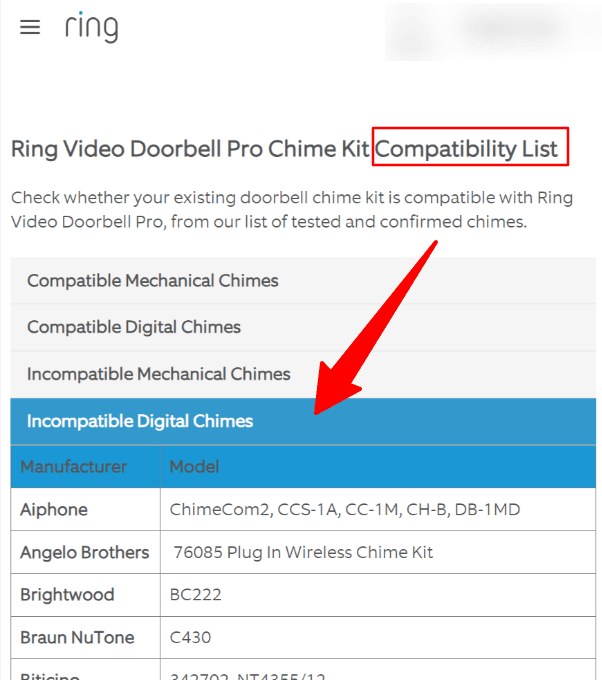
Hardwired doorbells need the right low-voltage circuit and a compatible chime setup. The exact voltage and transformer requirements vary by model, so do not guess based on appearance alone. If wiring is uncertain, stop and use the manual or a qualified installer.
Power, Wi-Fi, and Network Requirements for Reliable Performance<
Power and network connections help the doorbell operate reliably.
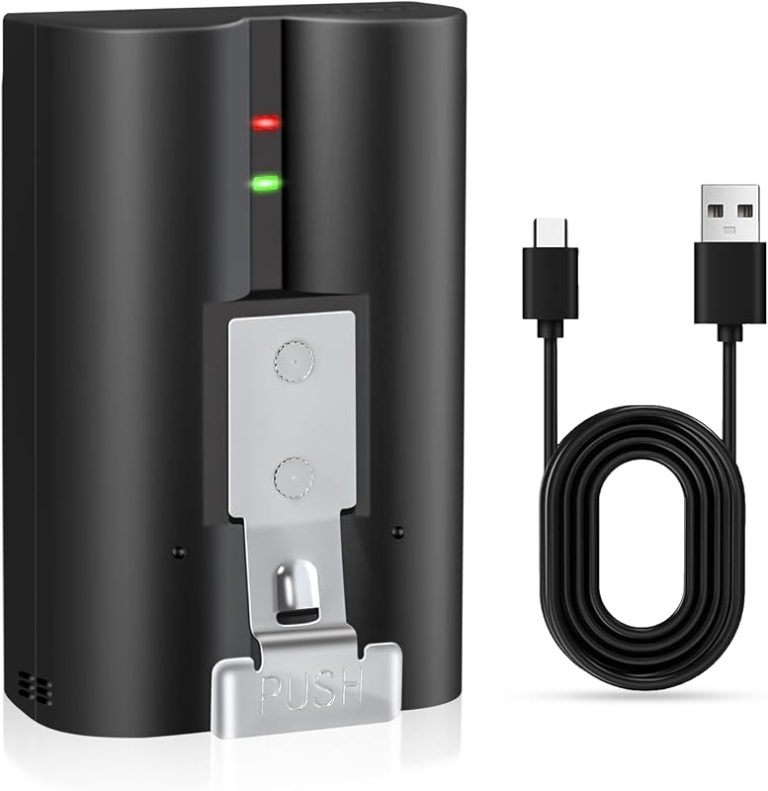
Ring doorbells depend on stable power and a strong home network. Battery models reduce wiring work, but they still need charging. Hardwired models can offer steadier power, but only when the existing circuit is compatible.
Battery, hardwired, and existing doorbell circuit options
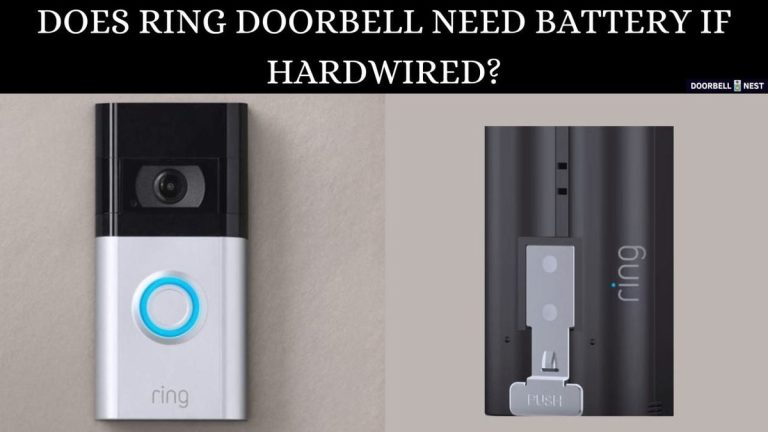
Battery models are often easier for renters and first-time users. Hardwired models suit homes with an existing doorbell circuit that meets the device’s needs. Some installations use both wiring and battery support, but the exact behavior depends on the model.
2.4 GHz Wi-Fi coverage, signal strength, and router placement
Many video doorbells rely on 2.4 GHz Wi-Fi because it reaches farther than 5 GHz. That helps at the front door, where walls and distance can weaken signal. If the app shows weak connection, move the router, reduce interference, or improve coverage before blaming the doorbell.
Mesh networks, extenders, and common connection issues
Mesh systems can help if the front door sits far from the main router. Still, a mesh node placed too close or too far can cause roaming problems. Common issues include slow live view, delayed alerts, and dropped pairing after router changes.
Installation and Setup Steps for Apple and Ring Users
Set up the Ring system first, then check any Apple ecosystem options. That order helps because the Ring app usually handles the core device onboarding, firmware, and motion settings. Apple-side workarounds come later and may depend on the exact model.
Mounting height, angle wedges, and motion detection setup
Mount the doorbell at a height that matches the manufacturer guidance. Then test whether visitors fill the frame without cutting off faces or packages. Motion zones should cover the path you care about, not the sidewalk or street unless you truly need that view.
1
Confirm requirements
Verify the exact model, power, network, storage, placement, household, rental, and platform requirements.
2
Plan safe placement
Consider privacy, field of view, weather, height, doors and windows, wiring, and emergency access.
3
Install and secure
Follow the exact manual, update firmware, use a unique password, and enable MFA.
4
Test and maintain
Test alerts, recording, outage behavior, batteries, users, permissions, and backup procedures.
Pairing in the Ring app before checking Apple ecosystem options
Always finish the Ring app pairing first. That includes Wi-Fi setup, motion tuning, alert testing, and any subscription choice. If the device is not stable in Ring, Apple workarounds will usually be less reliable too.
Shared users, permissions, and account recovery basics
Households should decide who gets admin access and who gets limited access. Shared users can help with caregiving and family use, but too many accounts can create confusion. Keep recovery email, phone number, and password details updated so you do not lose access later.
Security Alert
Use a unique password and enable multi-factor authentication right away. Weak account security can expose live video, recordings, and device settings even if the hardware is installed correctly.
Privacy, Cybersecurity, and Neighbor-Friendly Configuration
Doorbells face outward, so privacy settings matter. Good setup reduces unnecessary capture of sidewalks, shared hallways, and neighboring doors. Security also depends on account hygiene, not just the camera itself.
Two-factor authentication, password hygiene, and device access control
Use a unique password for the Ring account and for the email tied to it. Turn on multi-factor authentication if available. Review shared users and remove anyone who no longer needs access.
Privacy zones, motion zones, and audio settings
Privacy zones can block parts of the frame you do not want recorded. Motion zones can reduce alerts from passing cars or public walkways. Audio settings matter too, since some homes prefer limited sound capture in shared or dense housing areas.
Recording notices, local laws, and minimizing capture of public space
Rules can vary by state, city, HOA, lease, or building policy. A camera aimed at a public sidewalk may be allowed in one place and restricted in another. When in doubt, reduce the recorded area and check local guidance before mounting.
Storage, Alerts, Monitoring, and Subscription Costs
Ring’s day-to-day value depends on what the plan includes. Some owners only need live alerts. Others want cloud history, video downloads, or extended event access. Before buying, separate the device cost from the ongoing plan cost.
What Ring subscription plans typically unlock
Ring plans often unlock cloud recording, event review, and richer notification history, but exact features can change. Check the current plan page for the device you want. If a feature matters to you, verify it before purchase rather than after setup.
Without a Plan$0
Live alerts and basic use may still work.
Cloud history and downloads may be limited.
Monthly PlanVerify current price
Often adds cloud events and richer review tools.
Check device limits and retention rules.
Annual PlanVerify current price
May lower monthly-equivalent cost.
Review renewal and cancellation terms.
Cloud retention, event history, and download access
Cloud storage is convenient because it keeps clips off the device. It also depends on the vendor account and an internet connection. If you want local-only control, check whether your exact setup supports it before assuming it does.
Local Storage
Explain hardware, capacity, access, backup, and theft risks.
Cloud Storage
Explain plan cost, retention, internet dependence, account access, and provider controls.
Cost tradeoffs for homeowners versus renters over time
Homeowners may accept higher upfront and monthly costs if they expect to stay put. Renters may prefer lower-commitment setups with no-drill mounting and flexible plan choices. Over time, the best value is the one that matches your housing situation and support needs.
Troubleshooting Common Ring and HomeKit Problems
Most problems come from setup, network strength, or account permissions. Start with simple checks before changing hardware. If the issue involves power wiring, stop and use the manual or a qualified professional.
Missing live view, delayed alerts, or failed pairing
Check Wi-Fi strength at the door first. Then confirm app permissions, camera power, and whether the account is still signed in. If pairing fails, remove the device from the app only if the manual says that is safe to do.
Audio, night vision, and motion detection issues
Audio problems can come from permissions, microphone settings, or weak signal. Night vision issues may reflect glare from porch lights or reflective surfaces. Motion problems often improve after narrowing the motion zone and adjusting sensitivity.
Firmware updates, app permissions, and vendor support limits
Update the Ring app, the device firmware, and your router software. Also check iPhone permissions if you use Apple devices. If a HomeKit workaround stops working after an update, vendor support may not cover the third-party bridge.
Maintenance, Limitations, and the Best Next Step If You Want a True HomeKit Doorbell
Ring doorbells need routine care. Batteries need charging, lenses need cleaning, and weather can affect mounting and motion behavior. If Apple HomeKit is your top priority, it may be smarter to choose a native HomeKit doorbell instead of forcing a workaround.
Cleaning, battery charging, weather exposure, and seasonal checks
Wipe the lens and motion area with a soft cloth. Check battery level before long trips or cold weather. After storms or extreme heat, confirm that the mount, seal, and app alerts still work as expected.
When Ring is the right fit versus when a native HomeKit doorbell makes more sense
Ring makes sense if you want Ring app features, broad accessory support, and familiar household sharing. A native HomeKit doorbell makes more sense if Apple Home automation, Siri, and HomeKit Secure Video are your main goals. The right choice depends on which platform matters more day to day.
Smart home security options compared
Option
Best suited to
Power and network
Storage or plan
Main limitation
Ring doorbell with Apple workarounds
Users who want Ring features first
Needs stable Wi-Fi and model-specific power
Often depends on Ring plan or bridge method
Not full native HomeKit support
Native HomeKit doorbell
Apple-first households
Needs HomeKit-compatible hardware and home setup
Depends on the vendor and Apple workflow
May have fewer Ring-specific features
Decision checklist for 2026 buyers in the United States
Before you buy, verify the exact model, the current Apple support status, the power method, and the plan cost. Then check your Wi-Fi at the front door and review renter, HOA, or local rules. That simple checklist prevents most compatibility surprises.
Ring is generally not a native Apple HomeKit doorbell line. Some users rely on third-party bridges, but those setups are limited and can change over time.
Sometimes, but usually only through a workaround or bridge. You should not expect full Home app control or HomeKit Secure Video from Ring by default.
If you use Apple Home automations, a Home Hub may be required for remote access and automation control. Check the exact Apple setup you plan to use before buying.
Many Ring doorbells rely on 2.4 GHz Wi-Fi and a strong signal at the front door. Weak coverage can cause slow live view, delayed alerts, or pairing issues.
Some basic functions may work without a plan, but cloud recording and event history often depend on a Ring subscription. Check the current plan page for your exact model.
Renters should check lease rules, building policies, and whether drilling is allowed. No-drill mounts or removable options may be better for shared or temporary housing.
Hi, I'm Marcus Sterling, a smart home security expert with over 5 years
of hands-on experience testing and reviewing hundreds of security cameras, smart locks, and alarm systems. My mission is to make smart home security accessible, affordable, and easy to understand—and every review I publish is 100% independent, unbiased, and honest. I don't accept payments for positive reviews, just practical advice to help you secure your home with confidence.
Quick Security Answer Ring cloud storage is the feature that saves doorbell events online so you can review them later. It is most useful if you want clip history, sharing, and remote access, but it usually adds an ongoing plan cost. Ring video doorbell cloud storage is the part of Ring that saves motion clips…
Quick Security Answer Ring video doorbell compatibility depends on power, Wi-Fi, and mounting fit first. Homeowners and renters should also check chime support, privacy settings, and ongoing subscription costs. Ring video doorbell compatibility starts with three basics: power, Wi-Fi, and fit at the door. If those line up, most homeowners can move forward with setup….
Quick Security Answer Google Nest Doorbell battery life depends mostly on motion, placement, Wi-Fi, and how often you open the app. In busy homes, expect more frequent charging than in quiet ones. Google Nest Doorbell Battery Life is usually best understood as “how busy is your front door?” not a fixed number on the box….
Compare ring battery doorbell price by security features, privacy, smart home fit, setup, fees, and value. Read the guide to find the right option for your.
Quick Security Answer Yes, many Ring battery doorbells can be hardwired to existing low-voltage doorbell wiring. In most homes, that wiring helps charge the battery rather than replace it. can ring battery doorbell be hardwired is a common question. Many Ring battery models can connect to existing low-voltage doorbell wiring. But that wiring usually helps…
Compare video doorbell for renters by security features, privacy, smart home fit, setup, fees, and value. Read the guide to find the right option for your home.