Smart Lock Strike Plate Alignment Explained for Beginners
Misaligned strike plates keep smart deadbolts from locking smoothly, and the problem usually gets blamed on the lock itself. Check the latch contact point first, make the smallest plate adjustment needed, then recalibrate the lock in its app.
Smart lock strike plate alignment explained simply means making sure the metal plate on your door frame lines up with your deadbolt’s latch. When the two line up, the bolt slides in and out without resistance. This guide shows you how to check, fix, and protect that alignment on any US entry door.
What Is a Smart Lock Strike Plate and Why Alignment Matters
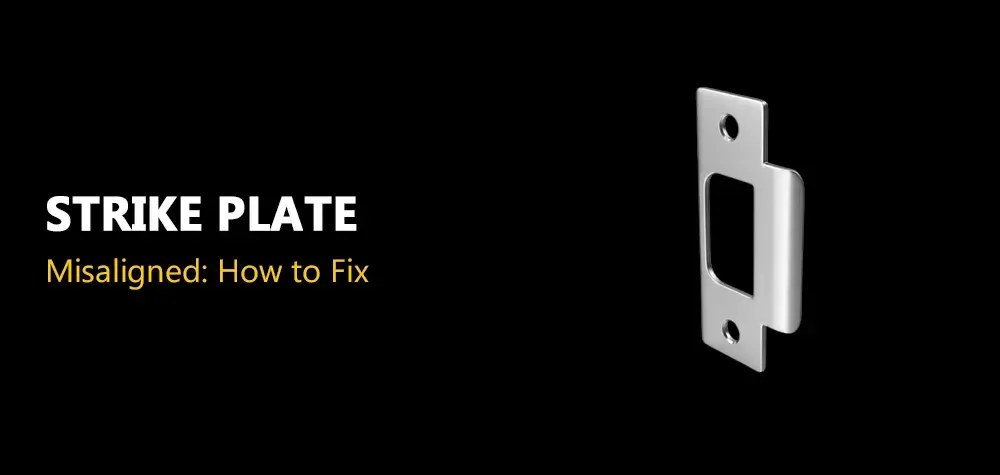
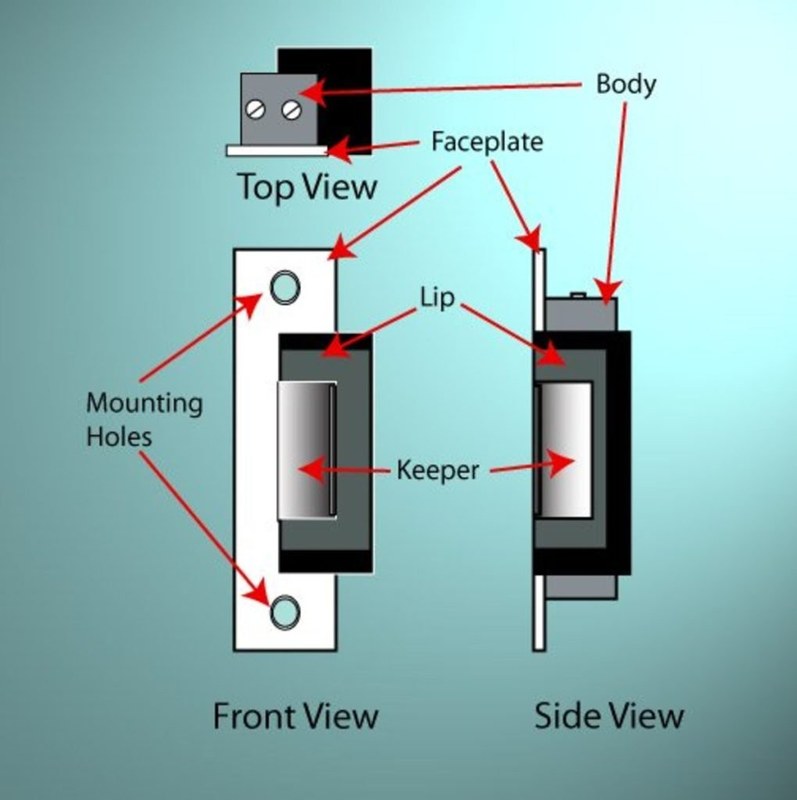
A strike plate is the metal plate screwed to the door frame where the deadbolt lands. It catches the bolt and holds the door closed. Alignment means the bolt enters the plate’s hole without touching the edges. Even a small offset can stop a smart lock from working correctly.
How Motorized Deadbolts Make Alignment More Critical
With a key lock, you can feel the bolt meet the plate and push a little harder. A smart lock’s motor cannot do that. If the bolt hits the plate’s edge, the motor stalls or retries. That creates grinding sounds, error messages, and extra battery drain. Over time, repeated stalls can also wear the motor and the latch assembly.
5 Warning Signs Your Strike Plate Is Misaligned
Watch for these signs:
- The motor sounds strained or stops before the bolt fully extends.
- The bolt scrapes or catches the edge of the plate when locking.
- You must push, lift, or pull the door to lock or unlock it.
- The app shows “jammed,” “not fully locked,” or repeated calibration errors.
- The key or thumb turn is stiff even when the smart features work.
How to Diagnose a Misaligned Strike Plate Before You Adjust Anything
Check before you change anything. Most misalignment shows up in one of two places: the contact point on the plate or the fit of the door itself. Two quick tests will tell you which one you have.
The Pencil Mark Test for Latch Contact
Open the door and rub the tip of the deadbolt with a soft pencil. Close the door and lock it normally, then open it again. Look at the strike plate. The pencil mark should appear only inside the hole. If you see graphite on the plate’s lip, the bolt is hitting metal. Clean the marks with a dry cloth after the test.
Checking Door Fit and Frame Squareness
The gap around the door should stay even along the sides and the top. Place a level against the door edge to catch sag. If the door sags, the latch drops out of line. Tighten hinge screws before you move the plate. Also confirm your lock matches the door’s size and material with our smart lock door compatibility guide before you drill anything.
Tools and Materials You’ll Need for Strike Plate Alignment
You need only basic tools for most alignment fixes. Gather everything first so you can test as you work.
- Phillips or square-drive screwdriver
- Soft pencil and painter’s tape
- Metal file or rotary tool
- Chisel, only if you need to move the plate
- Thin wood or plastic shims
- Level
- Dry cloth and a dry lubricant such as graphite
Step-by-Step: How to Align a Strike Plate for Your Smart Lock
This is the standard fix order: mark the correct position, adjust the plate, set the depth, then test the lock. Work through the steps in order and skip ahead only when a step does not apply.
Step 1: Mark the Correct Latch Position
Close the door and look at the gap where the bolt meets the plate. Use the manual thumb turn to extend the bolt. Mark the bolt’s top and bottom edges on the frame with a pencil. Those lines show where the plate needs to sit.
Step 2: Enlarge, Move, or Shim the Strike Plate
For a small misalignment of 1/16 inch or less, use a file or rotary tool to widen the opening slightly. For larger issues, remove the plate, chisel the recess, and reposition the plate to match your marks. If the plate sits too deep or too shallow, add a thin shim behind it to bring it closer to the bolt. Never remove so much material that the bolt cannot reach its full throw.
Step 3: Set the Plate Depth and Tighten the Screws
The plate should sit flat against the frame. If it sticks out, the bolt may catch on its lip. Screw the plate back in, tightening the screws a little at a time. Do not overtighten; stripped screws are hard to remove. Test that the door closes with normal force.
Step 4: Test the Deadbolt Throw and Recalibrate the Lock
Close the door and lock it from the app, the keypad, and the key. Unlock and repeat five times. Listen for scraping or stalling. Run the lock’s calibration routine in the app, since many smart locks need it after any physical adjustment. Check the app after each test for jamming errors.
Smart Lock-Specific Adjustments: Handing, Throw Length, and Calibration
Smart locks add three extra variables beyond the plate: door handing, bolt throw, and motor calibration. Check all three before you decide the plate is the problem.
Door Handing and Latch Orientation
Handing describes which side the hinges are on when you face the door. Most smart locks detect this during setup. If the latch is upside down, the beveled edge faces the wrong way. That makes the bolt press against the plate, and the door will not close cleanly. Check the manual if the app asks for handing.
Deadbolt Throw Length and Strike Plate Depth
The bolt’s throw is how far it slides into the frame. Most US residential deadbolts extend about 1 inch. The strike plate opening must be deep enough for the full throw. If the bolt cannot seat all the way, the lock sensor will not confirm that the door is locked. Use a deeper plate or chisel a slightly deeper pocket when needed.
Recalibrating the Smart Lock After the Fix
Recalibration teaches the motor how far the bolt must travel. Run it after you change the plate and follow the app’s on-screen steps exactly. If calibration fails again, the problem is still physical. Keep checking the plate and the door fit.
When the Strike Plate Isn’t the Real Culprit
The plate is not always at fault. Door sag, weatherstripping, and seasonal wood movement can all change where the bolt lands. Rule these out before you modify the frame.
Door Sag, Hinges, and Frame Shifting
Misalignment often starts at the hinges. A sagging door makes the bolt hit low. Fix the hinges first, then check the plate. Moving the plate to match a sagging door will only cause problems later when the hinge is repaired.
Weatherstripping and Seasonal Wood Movement
New weatherstripping can push the door inward and change where the bolt lands. Wood also expands and contracts with humidity. If the bolt only sticks in summer, the frame likely moved with the seasons. Adjust for the average position rather than one extreme.
When to Call a Locksmith or Carpenter
Call a professional if you find rot, cracked wood, or a shifting frame. Also get help if the frame is metal or the plate is riveted. If you need to move the plate more than about 1/4 inch, a pro can do it cleanly. Never modify a fire-rated door assembly without professional guidance.
Renter vs. Homeowner: Know Your Limits Before Modifying
Your housing situation decides how much you can change. Renters should favor reversible fixes. Homeowners can make permanent adjustments.
Landlord-Friendly Temporary Fixes for Renters
Renters should avoid chiseling or drilling the frame without permission. Start by asking the landlord in writing. Many smart locks reuse the existing deadbolt hole and work with the existing strike plate. If the plate is misaligned, see whether the latch face itself can be adjusted before you touch the frame. Keep the original parts and use only reversible changes. Our guide on smart locks for renters explains what to ask for first.
Permanent Modifications for Homeowners
Homeowners can enlarge, move, or replace the plate. A reinforced strike plate with longer screws into heavy framing can improve resistance at the latch point. That is an improvement, not a guarantee. Keep the plate level and flush so the smart lock works reliably.
Maintenance and Long-Term Care for Your Strike Plate and Smart Lock
Good alignment is not a one-time fix. A few simple habits keep the plate and lock working for years.
Lubrication, Screw Tension, and Seasonal Checks
A light dry lubricant such as graphite can keep the bolt sliding. Avoid oil because it attracts dust and can reach electronic parts. Check the plate screws every season and tighten any that are loose without stripping them. Remove paint or rust buildup from the plate opening.
Battery Life, Firmware Updates, and Backup Entry
A grinding motor uses more power. After you fix alignment, you may notice better battery life. Know what happens if the smart lock battery dies and keep a backup key or another manual entry method. Update the lock’s firmware, enable multi-factor authentication, and use a strong, unique password.
Final Checklist and Next Steps After Aligning Your Strike Plate
Finish with a clear checklist so you know the job is done correctly. Then plan a short re-check in a week.
- The bolt slides into the plate without scraping.
- The motor sounds smooth and finishes its full throw.
- The app shows the door as fully locked.
- The key and thumb turn work without force.
- Calibration completed without errors.
- A backup key is stored somewhere safe.
Re-test after one week because doors settle. Check the plate again when the season changes. If problems return, look at hinges and weatherstripping before touching the plate.
Smart lock strike plate alignment explained in one line: the bolt needs a clear, centered path into the plate. Start with the pencil test, make the smallest adjustment that works, and finish by recalibrating the lock in its app. This guide fits most US wood-frame entry doors. Metal frames, fire-rated assemblies, rot, and major frame shifting need a professional.
Frequently Asked Questions
The strike plate is the metal plate screwed to the door frame. It has a hole that catches the deadbolt when you lock the door. When the bolt slides cleanly into that hole, the lock is aligned.
You may hear the motor stall, see scrapes on the bolt, or need to push the door to lock it. The app may show jamming errors, or the lock may fail to auto-lock. A pencil test confirms whether the bolt is hitting the plate’s edge.
No. Calibration teaches the motor how far the bolt travels, but it cannot move the plate or remove an obstruction. Fix the plate first, then run calibration to finish setup.
Filing or using a rotary tool is usually safe for small adjustments if you wear eye protection and work slowly. Stop if you hit reinforcing metal, find a cracked frame, or feel unsure. Have a professional modify fire-rated doors.
Yes. A motor that stalls or retries several times uses more power. Correcting the alignment often improves battery life. Use the battery type the manual specifies and keep a backup key or manual entry method.
Usually, yes. Drilling, filing, or chiseling the frame can violate a lease. Ask the landlord in writing first, use reversible fixes, and keep the original parts. Some smart locks reuse the existing hole and avoid frame changes entirely.