Fix Smart Lock Not Locking Because Door Is Misaligned
If your smart lock will not lock because the door is misaligned, fix the door first by adjusting the hinges or strike plate. The lock motor cannot force a blocked bolt and needs a clean, straight path to complete the locking cycle.
A smart lock not locking because door is misaligned is a physical problem, not always a device failure. The deadbolt cannot reach the strike plate hole, so the lock stops, retracts, or reports an error. You may not need a new lock. This guide explains where the jam starts, how to confirm it safely, and how to fix it in a typical US home.
Direct Answer: What a Door Misalignment Means for Your Smart Lock
For most US households, this error means the deadbolt is blocked before it fully engages. The smart lock’s motor turns the bolt, but the bolt hits the edge of the strike plate, the door frame, or a build-up of old paint. The lock then assumes it failed and may retract the bolt or alert your phone. Fix the door, not the lock.
A misaligned door is common. Hinges loosen over time. Wood frames swell with humidity, especially in summer. Weather stripping can add friction. New carpet or flooring can change the door’s resting height. Even a brand-new smart lock will jam if the old door was never aligned correctly.
Do not assume the lock is defective. Many smart locks get returned for this exact reason when the original deadbolt had the same hidden problem. The smart lock simply reports the failure more clearly than a manual key ever did.
How the Smart Lock Works and What It Can Actually Do
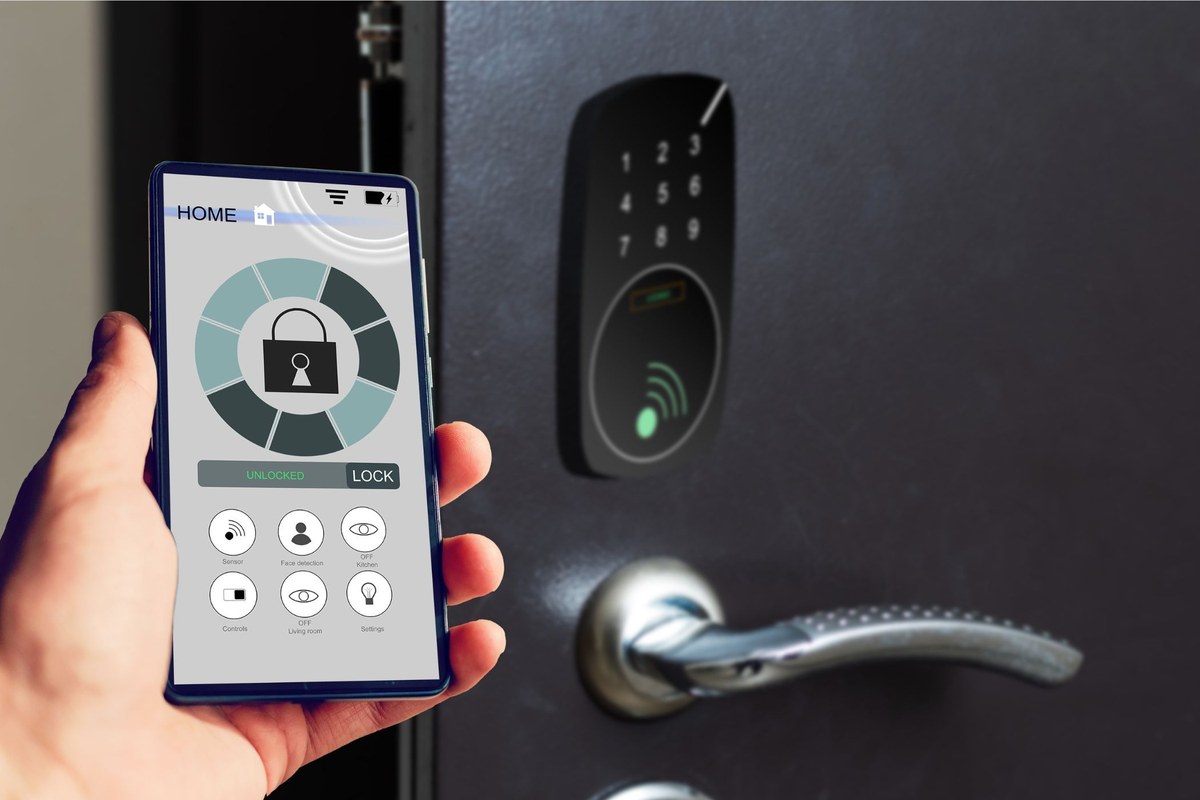
Most deadbolt-style smart locks replace the interior thumb turn, the full deadbolt, or the whole lock assembly. Inside, a small motor turns a tailbar, which drives the bolt forward. Sensors watch the motor’s position, speed, and current draw to know whether the bolt extended fully.
When the bolt reaches the locked position, the lock records success. When something blocks it, the lock records a failed cycle. Some locks retract the bolt, flash a warning light, or send an app notification. Exact behavior varies by brand, model, and firmware version.
What a smart lock can do: tell you about a failed lock, let you retry, and avoid jamming itself. What it cannot do: force the bolt through metal or wood. Forcing the motor can strip gears or snap the tailbar. A simple test separates lock failure from door failure. With the door open, move the bolt with the thumb turn or key. If it extends and retracts smoothly, the lock is fine. Close the door and try again. If the bolt stops short, the door alignment is the cause.
Compatibility, Power, Wi-Fi, and Platform Requirements
Confirm the lock fits the door before you blame alignment. The wrong backset, door thickness, or bore hole can create a jam that looks like misalignment. The Smart Lock Door Compatibility Guide lists the measurements you should check before installation.
Power also matters. Most smart locks use AA or lithium batteries. Low batteries make the motor weak and can stop the bolt mid-travel. Battery life varies by model, usage, and temperature. Cold weather can reduce battery output, which may look like a weak bolt throw. Replace the batteries first when you test after an adjustment.
Wi-Fi and platform support affect alerts, not the turning of the bolt. The lock mechanics work without the internet. The app notification, however, needs a network connection.
Placement, Installation, and Household Considerations
Installation errors can mimic misalignment. Follow the exact manual for your model. The tailbar must seat correctly so the motor can drive the bolt. Door handing, which tells the lock which way the door opens, is set during install. A wrong handing setting can cause the bolt to drag.
Test the lock with the door open, then closed. If the bolt scrapes the frame, the strike plate may sit too close. If you just installed the lock and the door never closed well, the door was misaligned long before the smart lock arrived. Review the Smart Lock Installation Requirements guide before reinstalling anything.
Household access matters too. If you rent, ask the landlord before adjusting hinges or the strike plate. Keep the original hardware for move-out. The Can Renters Install Smart Locks guide explains what to request in writing. Also set clear family expectations for codes and alerts so a failed lock attempt does not cause confusion.
Privacy, Cybersecurity, Storage, and Subscription Limits
While you fix the door, review the access log. A jammed lock can create repeated failed-lock entries that look like an intruder. Learn what normal activity looks like in your app. The Smart Lock Access Log Privacy guide explains who can see entries, how long they stay, and how deletion works.
Most smart locks do not need a cloud subscription for basic lock and unlock use. Some brands charge for extra activity history, unlimited shared users, or automations. Check the current plan page for your exact model. Also review connected doorbells and cameras. A misaligned door can trigger motion alerts from those devices too.
Troubleshooting and Ongoing Maintenance
Start with the safest, most reversible checks. Confirm the bolt moves freely with the door open. Then watch where it lands with the door closed. Most fixes are small adjustments to hinges, the strike plate, or the latch point.
Use the thumb turn or key backup. Watch for smooth bolt travel. If the bolt sticks with the door open, the lock or tailbar is the problem, not the strike plate.
Close the door and watch where the bolt lands. A shiny scratch mark on the strike plate shows the point of contact.
Tighten hinge screws, add a hinge shim, or move the strike plate in small 1/16-inch increments. Test after each change.
Remove paint build-up, apply dry lubricant to the bolt, and replace batteries. Recheck in different weather because wood moves with the seasons.
Common physical fixes include tightening loose hinge screws, which stops the door from sagging. A hinge shim behind the hinge leaf can tilt the door just enough to fix the gap. Loosening the strike plate screws, shifting the plate, and retightening often solves the problem. If the bolt hits metal, remove only a small amount with a metal file. Do not over-file, because a larger hole can weaken the lock’s hold.
Weather stripping can also push the door back after you close it. Look for compressed or thick weather stripping on the latch side and adjust it if needed. Understand that a dead battery can cause the same stuck-bolt behavior as misalignment, so test the mechanical path before replacing parts.
Keep the physical key or key backup within reach. If the lock jams when you try to leave, you should still be able to secure the door manually. Battery failures, misalignment, and firmware bugs can all look alike, so test the mechanical path first.
Common Mistakes and When to Get Professional Help
Many lock failures come back to the same few errors. Check this list before touching any hardware.
- Blaming the lock before checking the door.
- Replacing the smart lock when the strike plate is the real problem.
- Over-tightening strike plate screws, which can bend the plate and bind the bolt.
- Filing too much metal, which weakens the locked connection.
- Ignoring seasonal shifts in wood and weather stripping.
- Forgetting to keep a physical key backup during troubleshooting.
- Changing hardware in a rental without permission.
Call a professional if the bolt still jams after small adjustments. A locksmith can fix hinge and strike plate issues. A door installer can address a bowed frame or a sagging slab. If you see rotted wood, cracked framing, or a door that no longer fits its frame, stop and get an inspection.
For renters, contact the landlord or maintenance team before hiring anyone. Many leases require written approval for hardware changes.
A smart lock that will not lock because the door is misaligned is a physical alignment problem, not a signal, battery, or subscription issue. Inspect the bolt path, adjust the hinges or strike plate in small steps, and test with the thumb turn before relying on the app. If the bolt still binds, stop and call a qualified professional.
Frequently Asked Questions
Yes, if the motor keeps trying to force the bolt against the strike plate, it can strip gears or snap the tailbar. Stop testing after one or two failed attempts and fix the door alignment first.
Most homes can fix small alignment issues by tightening hinge screws, adding hinge shims, or shifting the strike plate slightly. Stop and call a locksmith if the door frame is damaged or the bolt still binds.
Yes, more than a manual lock. A smart lock’s motor stops when it senses resistance, so a door that barely works with a key will often fail with a smart lock.
If you rent, ask first. Many leases require written approval before changing hinges, strike plates, or locking hardware. Keep the original parts so you can restore the door on move-out.
Many smart locks send a failed-lock alert, but behavior varies by model and firmware. The alert requires a working Wi-Fi, Bluetooth, or hub connection.
Stop and call a locksmith or door installer. The problem may be a bowed frame, rotted wood, or a door slab that no longer fits.