A Ring firmware update can improve security, fix bugs, and help your doorbell stay reliable. If it fails, check battery, Wi-Fi, and wiring before resetting anything.
A ring video doorbell firmware update can improve security, fix bugs, and help your doorbell work more reliably. It can also change app behavior, alert timing, and motion detection settings, so check it after the update finishes.
What a Ring Video Doorbell Firmware Update Does and Why It Matters
Firmware is the built-in software that runs the doorbell. An update can patch security issues, improve Wi-Fi handling, and refine how the device responds to motion or button presses.
For many homes, that means fewer glitches and more consistent alerts. Firmware updates do not usually change the camera hardware.
They can still affect how the doorbell works with the Ring app, shared users, and connected features.
How firmware updates improve security, stability, and motion detection
Security updates help close software weaknesses that could expose account or device data. Stability updates can reduce freezes, disconnects, and missed notifications.
Motion tuning updates may adjust how the doorbell detects movement near your entryway.
What can change after an update: app behavior, alerts, and device performance
After an update, the Ring app may show different menus, alert options, or device status screens. Some users also notice temporary changes in motion sensitivity or notification timing.
These usually settle after the device reconnects and syncs with the account.
If you use a model from our Ring Battery Doorbell guide, the same general update process still applies. Exact menu names can differ by model and app version.
How to Check Whether Your Ring Video Doorbell Is Up to Date
App screen used to check whether a Ring Video Doorbell is up to date
The easiest check is inside the Ring app. Look for the device’s status, software version, or device health page.
If the app shows the doorbell as online and no update prompt appears, it may already be current.
Keep in mind that Ring can push updates automatically. You may not always see a manual “update now” button.
Where to find firmware version details in the Ring app
Open the Ring app, choose the doorbell, and look for device settings or device health. Some versions of the app show the firmware number directly.
Others only show general status, battery level, Wi-Fi strength, or last activity.
Signs an update is pending, failed, or already installed
A pending update may show as a notification, a device health warning, or a brief offline period. A failed update often looks like repeated reconnects, stale status, or missing live view.
If the app shows normal operation and no warning, the update may already be installed.
How Ring Video Doorbell Firmware Updates Work in 2026
Ring doorbells usually receive firmware updates automatically when they are online and connected to the account. The update may happen in the background or during a quiet period.
You may not need to press anything unless the app asks you to confirm a restart or reconnect.
Automatic update delivery through Wi-Fi and the Ring app
The doorbell needs a stable Wi-Fi connection to download and install updates. The Ring app helps the device stay linked to your account and may show progress or status changes.
If the device is offline, the update may wait until it reconnects.
Why power source, signal strength, and uptime affect update success
Battery-powered models can pause updates if the battery is too low. Hardwired models usually stay online longer, but they still depend on stable power and Wi-Fi.
If the device keeps dropping offline, the update may fail or restart.
What homeowners and renters should know about update timing
Updates can happen at different times, and you may not control the exact schedule. That matters for renters, apartment residents, and shared homes where quiet hours or access rules apply.
If the doorbell is mounted on a rental property, check with the property owner before changing wiring or hardware.
Before Updating: Power, Wi-Fi, and Home Layout Checks<
Check power, Wi‑Fi, and home layout before starting the firmware update.
Before you troubleshoot the firmware itself, check the basics. Power, Wi-Fi, and placement problems are common reasons a doorbell cannot finish an update.
A few quick checks can save time and reduce repeat failures.
Battery-powered vs. hardwired doorbells and update reliability
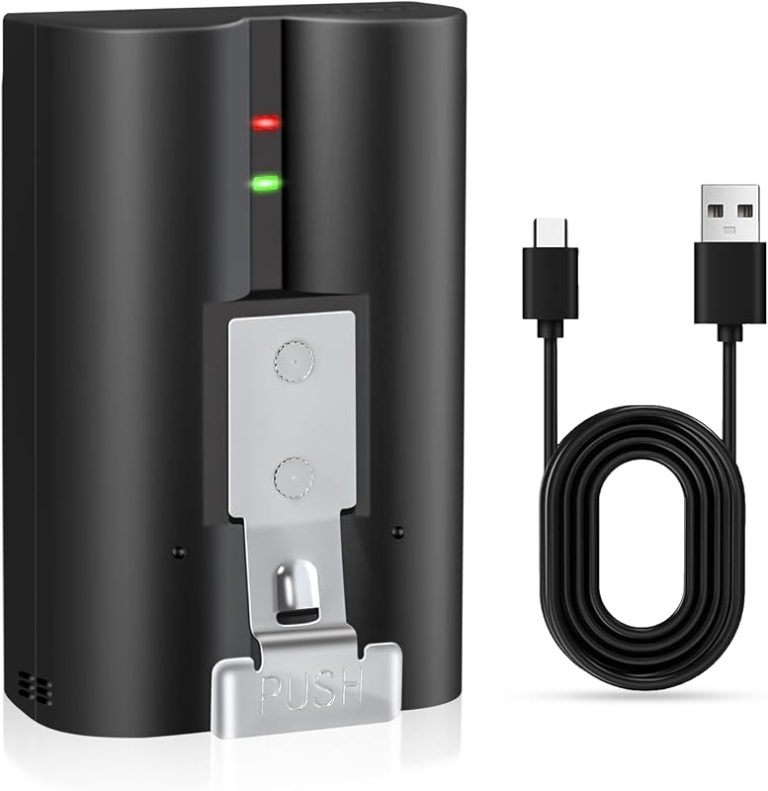
Battery-powered doorbells depend on charge level. If the battery is low, charge it before trying again.
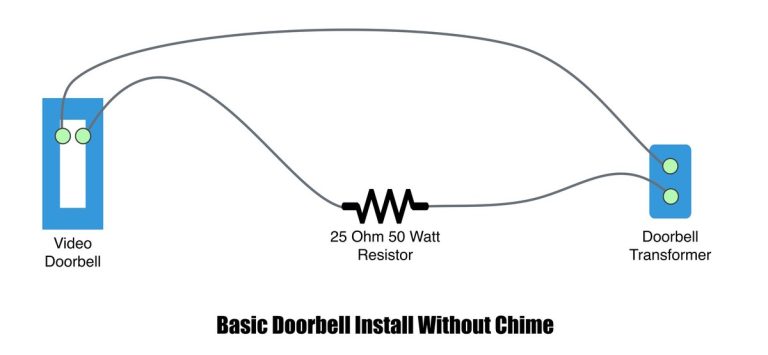
Hardwired doorbells usually have steadier uptime, but loose wiring or transformer issues can still interrupt the process.
Wi-Fi band, router distance, and interference near the front door
Many video doorbells work best when the router is close enough for a strong signal. Thick walls, brick, metal doors, and exterior siding can weaken Wi-Fi.
Nearby appliances, mesh nodes, and crowded networks can also affect update reliability.
If your setup includes a model like the Ring Battery Doorbell 4K Pro, review the exact network requirements in the product manual before changing router settings.
Placement issues that can affect signal, alerts, and video quality
Mounting location matters. A doorbell placed too far from the router, too close to metal, or behind a deep porch can struggle with signal and motion detection.
Poor placement can also affect alert speed and video clarity.
Step-by-Step Guide to Completing a Ring Firmware Update
Most users can complete an update by making sure the device is online, the app is current, and the battery or wiring is stable. The process is usually simple, but it helps to work in order.
That lowers the chance of a stalled update or a wasted restart.
Preparing the device, app, and account before the update
1
Confirm requirements
Check the exact model, power source, Wi-Fi connection, and app version.
2
Stabilize power
Charge the battery or verify hardwired power before starting.
3
Open the app
Go to the doorbell device page and check for status or update prompts.
4
Wait for completion
Keep the device online until the app shows the update is done.
Also confirm your account is secure. Use a unique password and multi-factor authentication, since firmware updates and account security work best together.
What to do if the update starts but does not finish
If the update stalls, wait a few minutes before touching anything. Some updates pause while the device restarts or reconnects.
If the app still shows no progress, check the Wi-Fi signal and battery level first. Do not keep forcing restarts back to back.
That can make the device harder to recover.
When to restart the doorbell, router, or app safely
Restart the app first if it seems frozen. Next, restart the router if other devices are also having trouble.
Restart the doorbell only after you confirm power and Wi-Fi are stable.
Most update problems come from power loss, weak Wi-Fi, or account sync trouble. Start with the safest, reversible checks.
If those do not work, move to deeper device or wiring review.
Fixing stalled updates, offline devices, and repeated connection drops
First, confirm the doorbell is not too far from the router. Then check whether the device is offline in the app.
If the connection drops often, move closer to the router or improve coverage with a mesh node.
For renters and apartment residents, changing the router may not be possible. In that case, placement and signal path matter even more.
Dealing with low battery, transformer issues, or weak Wi-Fi
Low battery is a common reason battery models stop updating. Charge the device fully before trying again.
For wired models, a weak transformer or loose connection can cause unpredictable restarts and failed downloads.
When a factory reset or support request makes sense
A factory reset is a last step, not a first step. Use it only after you have checked power, Wi-Fi, app access, and account permissions.
If the device still will not update, contact Ring support and keep the model number ready.
Privacy, Cybersecurity, and Shared Access After an Update
A firmware update can improve security, but it does not replace good account habits. Review passwords, shared access, and privacy settings after the update.
That matters in family homes, rentals, and shared entries.
Using multi-factor authentication, strong passwords, and account recovery
Use a strong password that is not reused elsewhere. Turn on multi-factor authentication if the account supports it.
Also confirm your recovery email and phone number are current, so you can get back in if needed.
Managing shared users, app permissions, and neighbor privacy concerns
Shared users should only have the access they need. Remove old household members, guests, or former tenants.
If the camera can see sidewalks, streets, or a neighbor’s door, keep the field of view as narrow as practical.
How privacy zones, motion settings, and audio controls fit into safe use
Privacy zones can block parts of the image you do not want recorded. Motion settings can reduce false alerts from passing cars or neighbors.
Audio controls may matter in areas with stricter recording expectations, so review them with care.
Subscription, Storage, and Long-Term Maintenance Considerations
Firmware updates do not usually change whether a plan is required. They also do not remove the need to think about storage, retention, and ongoing cost.
Those choices affect ownership more than most people expect.
What firmware updates do and do not change about cloud recording and retention
An update may improve how recordings upload or play back, but it does not usually change the plan structure. If cloud recording is tied to a subscription, that requirement typically stays the same until the company changes its policy.
Local Storage
May reduce recurring cloud fees.
Depends on the hardware and local access.
Can still be lost if the device is stolen or damaged.
Cloud Storage
Depends on internet and account access.
May include retention limits and plan rules.
Lets you view clips without being near the device.
How Ring plans, local limits, and notification features affect ownership cost
Before you buy or keep a doorbell, review the current plan page and support terms. Some features may work without a plan, while others may depend on cloud storage or advanced alerts.
Routine maintenance for weather exposure, battery health, and app updates
Check the device after storms, extreme heat, or freezing weather. Clean the lens gently, verify the mount is secure, and keep the app updated on your phone.
Battery models should be recharged before they get too low, especially during busy seasons.
When a Firmware Update Is Not Enough: Compatibility and Next Steps
Sometimes the issue is not the firmware at all. Older models, weak wiring, or an underpowered network can limit performance no matter how current the software is.
At that point, it helps to think about compatibility and long-term fit.
Older doorbell models, support lifecycles, and feature limitations
Older models may still work, but they may not get every new feature. Support can also change over time.
If your device is older, check the current support page for update and service status before assuming a software fix will solve everything.
When to evaluate wiring, chime compatibility, or router upgrades
If the doorbell keeps failing updates, review the wiring and chime setup next. A router upgrade may help if your front door is at the edge of coverage.
For wired models, a chime or transformer mismatch can create repeat problems that look like software trouble.
How to decide whether continued use still fits your home or rental setup
Ask whether the current doorbell still fits your layout, privacy needs, and budget. A renter may need a no-drill approach, while a homeowner may want a more stable wired setup.
If the device keeps needing manual fixes, it may be worth reassessing the whole setup rather than chasing each update.
Final Takeaway
A Ring firmware update can improve security and reliability, but it depends on stable power, strong Wi-Fi, and a current app. If the update fails, start with battery, signal, and wiring checks, then use the exact manual or support before trying deeper fixes.
Open the Ring app and check the device settings or device health page. Some models show a firmware version, while others only show status and connectivity details.
Common causes include low battery, weak Wi-Fi, or unstable power on wired models. Start with those checks before trying a reset.
Yes, they usually download and install automatically when the doorbell is online. You may not always see a manual update button.
Yes, a weak signal can interrupt the download or reconnect process. Move the router closer, improve mesh coverage, or reduce interference near the front door.
Usually no. Firmware updates can improve performance, but plan rules for cloud recording and retention usually stay separate.
Contact support if the doorbell stays offline, keeps failing updates, or still will not recover after power and Wi-Fi checks. Have the model number and app details ready.
Hi, I'm Marcus Sterling, a smart home security expert with over 5 years
of hands-on experience testing and reviewing hundreds of security cameras, smart locks, and alarm systems. My mission is to make smart home security accessible, affordable, and easy to understand—and every review I publish is 100% independent, unbiased, and honest. I don't accept payments for positive reviews, just practical advice to help you secure your home with confidence.
Compare ring battery doorbell price by security features, privacy, smart home fit, setup, fees, and value. Read the guide to find the right option for your.
Quick Security Answer A wired video doorbell can be a practical upgrade if your transformer, chime, and Wi-Fi all match the model’s requirements. Renters and shared buildings should check rules first, because wiring access and mounting limits can change the best option. Wiring video doorbell usually means connecting a new smart doorbell to the low-voltage…
Quick Security Answer A Ring battery doorbell usually takes several hours to charge, but the exact time depends on the model, battery level, charger, and temperature. If charging seems slow, check the cable, power source, Wi-Fi, and battery age before assuming the device is faulty. how long does ring battery doorbell take to charge is…
Choosing between the Ring Indoor Cam 2nd Gen and Blink Mini 2 depends on how much coverage, control, and ongoing cost you want. Both offer 1080p video, motion detection, two-way audio, and simple plug-in setup. I recommend the Ring Indoor Cam 2nd Gen for wider coverage and stronger monitoring, while the Blink Mini 2 makes…
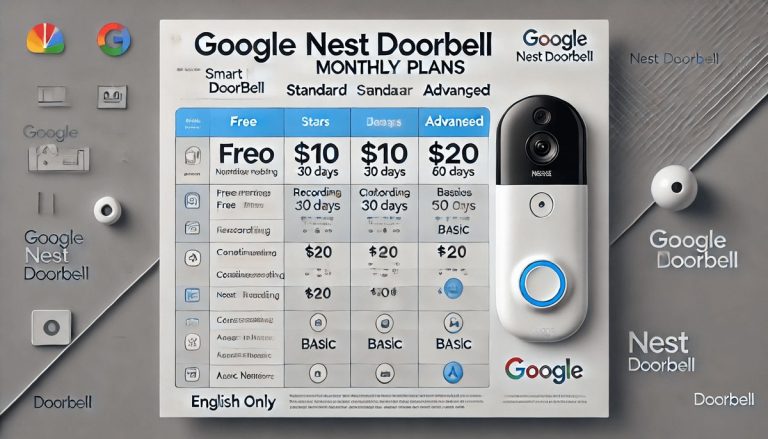
Quick Security Answer Yes, Nest Doorbell can have a monthly fee if you want cloud video history and some advanced features. Basic live view and alerts may still work without paying, depending on the model and current Google Home plan. Does Nest Doorbell Have a Monthly Fee? The short answer is yes, but not always…