Can Smoke Alarms and Carbon Monoxide Detectors Share 1 Unit
Yes, a single combination unit can detect both smoke and carbon monoxide. One device only protects its own room, so place units near sleeping areas and on every level of the home.
Can smoke alarms and carbon monoxide detectors share one unit? Yes, they can. Combination smoke and CO detectors guard against both dangers in one device. This guide explains how they work, where to place them, and when separate units make more sense.
The Short Answer: Yes, Combo Detectors Are a Standard, Code-Approved Option
Combination smoke and CO detectors are a standard option in US homes. They combine two sensors in one housing. Check the label for a UL or ETL safety listing for both detection types. Local code rules still vary, so confirm with your building department before replacing existing units.
What a Combination Smoke and CO Detector Actually Does
A combo unit watches for two different hazards at the same time. It detects smoke particles from fires. It also detects carbon monoxide gas from fuel-burning appliances. Many models change the alarm pattern for each hazard. Learn the exact pattern in your manual and teach it to everyone in the home.
Carbon monoxide is colorless and odorless. It can come from gas furnaces, water heaters, stoves, fireplaces, or an attached garage. Smoke comes from fast-flaming and slow-smoldering fires. A true combo unit contains two separate sensors, so it can respond to both threats.
The Main Limitation to Know Before You Buy
The biggest limit is coverage. One combo unit protects only the room where it is mounted. It cannot catch a fire starting in the basement or a CO leak in a far bedroom. Most safety guidance calls for coverage near every sleeping area and on every level. Budget for enough units, not just one.
How Dual-Sensor Detectors Work: Smoke Sensing vs. CO Sensing

A combo detector does not use one chip for both dangers. It packs two separate sensors into one shell. Each sensor uses a different detection method.
Photoelectric Smoke Sensors vs. Electrochemical CO Sensors
The smoke side usually uses a photoelectric sensor. A small light beam sits inside the chamber. When smoke particles enter, they scatter the light and trigger the alarm. Photoelectric sensors respond well to slow, smoldering fires.
The CO side usually uses an electrochemical sensor. Chemicals inside react with carbon monoxide. That reaction creates a small electrical signal. When the signal crosses a set level, the alarm sounds. These sensors slowly lose accuracy, which is why the whole unit has a replacement date.
Some models also include an ionization sensor for fast-flaming fires. A dual-sensor smoke alarm covers both fire types. Check the label on the unit to see which sensors are inside.
Standalone Units vs. Interconnected Alarm Networks
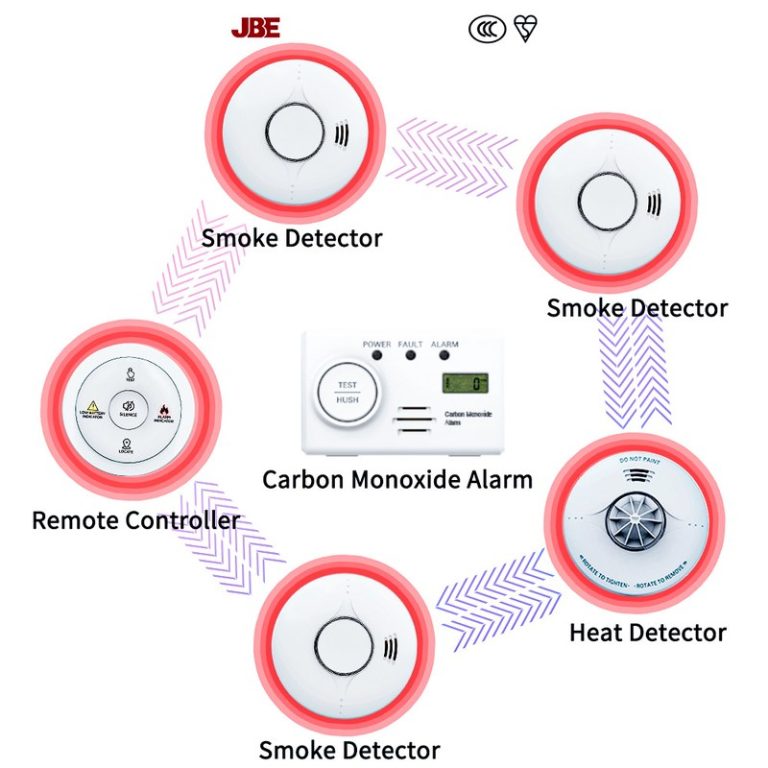
A standalone unit only sounds where it is mounted. An interconnected network links several alarms together. When one unit senses smoke or CO, all alarms sound. That extra warning helps in large or multi-story homes. Hardwired systems interconnect with wire. Smart wireless units often interconnect through radio or your home network.
Placement Rules: Where Combo Detectors Go in a Home
Placement decides whether a combo detector helps. The unit must alert people where they sleep. Smoke rises, so ceiling mounting works well. Carbon monoxide can mix with indoor air, so many manuals set a mounting height. Follow the manual for the model you own.
Bedroom Hallways, Sleeping Areas, and Multi-Level Layouts
Put a combo detector in the hallway outside each sleeping area. Place one on every level, including the basement. In homes with an attached garage, add coverage near rooms that share a wall with it. For a room-by-room breakdown, read our full guide on where to place carbon monoxide detectors.
People are most vulnerable to CO poisoning while asleep. The alarm must be loud enough to wake everyone. If doors stay closed at night, consider a unit inside each bedroom too.
Where Not to Install: Kitchens, Bathrooms, and Garages
Keep combo units away from stoves and ovens. Cooking steam and smoke cause false alarms. Many manufacturers ask for at least 10 feet from cooking appliances. Avoid bathrooms where shower steam can reach the sensor. Do not install inside an attached garage, where vehicle exhaust can trigger false CO readings.
Ceiling vs. Wall Mounting and Spacing Requirements
Ceiling mounting works best for smoke detection. Mount near the center of the ceiling when possible. Keep the unit a few inches away from walls and corners, where air moves less. Wall mounting works when ceilings are hard to reach. Many wall-mounted units sit high on the wall, at the height listed in the manual. Exact distances vary by brand, so measure and follow the instructions.
Power and Wiring: Battery, Hardwired, and Smart Combo Units
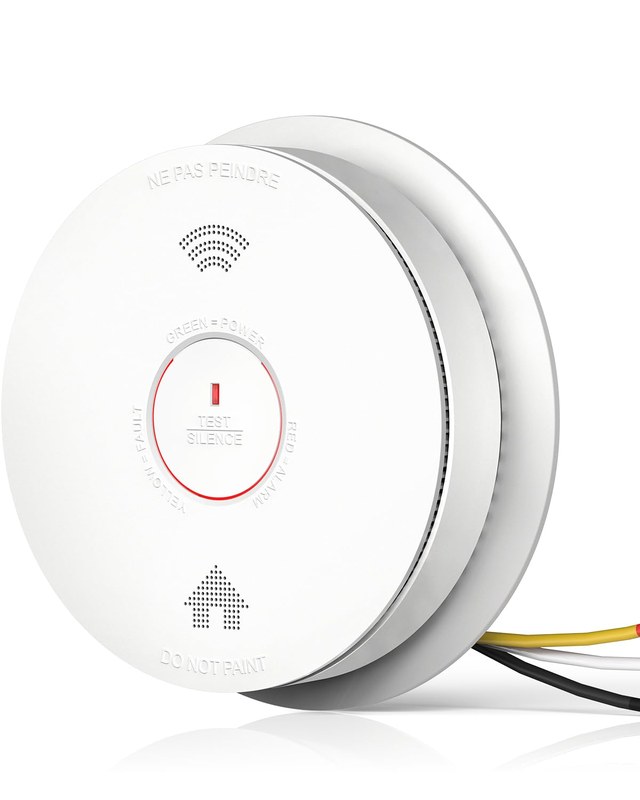
Combo detectors come in three power styles: battery, hardwired, and smart. Battery units are the easiest to install. Hardwired units connect to household wiring. Smart units add phone alerts and network features. Your home and lease decide the best fit.
Battery-Powered Units: Easiest for Renters and Retrofits
Battery units run on replaceable batteries or sealed 10-year batteries. They keep working during a power outage. They need no electrician and no new wiring. That makes them ideal for renters and older homes. Mounting still requires screws, so check your lease before drilling.
Hardwired and Interconnected Systems: How They Tie Together
Hardwired units draw power from your home electrical system. They usually include a backup battery for outages. Newer homes often have hardwired smoke alarms, and some local codes require them. Interconnected hardwired units share a signal wire, so all alarms sound together. Replacing a hardwired unit means turning off power at the breaker. If the wiring looks unfamiliar, hire a qualified electrician.
Smart Combo Detectors: Wi-Fi Bands, Hubs, and App Setup
Smart combo units connect to your Wi-Fi network. They send alerts to your phone and track event history in an app. Before buying, confirm which Wi-Fi band the model supports. Many smart detectors only connect to 2.4 GHz networks. Some also support 5 GHz. A few models need a hub or bridge. Check the app requirements for every phone in the household.
Smart Features, Subscriptions, and Privacy Considerations
Smart combo detectors do more than beep. They send alerts and track event history. Some work without a subscription. Others put key features behind a paid plan. Compare the free features before choosing a brand.
App Alerts, Local vs. Cloud Monitoring, and Storage
Phone alerts are the main benefit of a smart detector. The app tells you which unit sounded and when. Some apps keep a simple event log for free. Others store history in the cloud only for paying customers. Confirm that every adult in the home can get alerts, not just the person who installed the app.
Subscription Tiers and Professional Monitoring Contracts
Not every smart detector needs a plan. Many brands offer free app alerts with no subscription. Some add optional plans for extra features or professional monitoring. Professional monitoring means a monitoring center may respond to an eligible alarm. It usually costs a monthly fee and may need a contract. If avoiding recurring costs matters to you, read our guide to smart smoke detectors without a subscription.
Cybersecurity, Firmware Updates, and Account Recovery
Connected detectors live on your home network. Protect the account with a strong, unique password. Enable multi-factor authentication when the app offers it. Keep the app, firmware, and router updated. Review the shared user list regularly, especially after a roommate moves out. Know how to recover the account if you change phones.
Renter vs. Homeowner: What You Can and Cannot Change
Renters and homeowners have different options. Homeowners can wire new units and choose any model. Renters often need battery units and landlord permission. Local building codes set the minimum requirements.
Renter-Friendly Installation Options That Avoid Drilling
Battery-powered units are the renter-friendly choice. They add no wiring and no permanent change. Most still need screws to mount securely. Some models work with approved adhesive mounts, but check the manual and your lease. Ask the landlord in writing before installing anything. Landlords usually allow smoke and CO detectors because they are safety devices.
Local Building Codes, Landlord Requirements, and Permits
State and city codes vary. Many require smoke alarms in every bedroom, outside each sleeping area, and on every level. CO detector rules also vary, and some cities require them in all rental units. Landlords must meet local rules, but tenants often handle testing and battery changes. If you buy a home, check whether replacements must be hardwired. Your local building department can confirm the rules for your address.
Maintenance, Testing, and End-of-Life Replacement
Combo detectors need regular care. Test them monthly and clean the vents. Smoke sensors wear out after about 10 years. CO sensors lose accuracy too. Replace the whole unit at its end-of-life date.
Monthly Testing, Cleaning, and False Alarm Prevention
Press the test button once a month and listen for the full alarm. Vacuum the vents every few months to remove dust. Do not paint the unit, because paint blocks the vents. If cooking causes nuisance alarms, use the hush button when available instead of removing the detector.
Sensor Lifespan and Sealed 10-Year Battery Units
Most combo detectors should be replaced within 10 years. The replacement date is printed on the label or shown in the app. Sealed 10-year battery units last about that long. When the battery can no longer hold a charge, replace the whole unit. You cannot swap the battery in sealed models.
Battery Replacement Schedules for Hardwired Models
Hardwired units use backup batteries for power outages. Replace the battery at least once a year, or whenever the unit chirps. Many people coordinate this with daylight saving time changes. Use the exact battery type in the manual. After replacing, press the test button to confirm the unit works.
Troubleshooting Common Combo Detector Problems
Chirps and false alarms are the most common combo detector problems. A steady chirp pattern usually means a low battery or an expired unit. Nuisance alarms often come from cooking steam or dust. Start with the simplest fix.
Why a Combo Unit Chirps: Low Battery, End-of-Life, or Malfunction
A chirp every 30 to 60 seconds usually means a low battery. Replace the battery and retest. If the chirp continues, check the end-of-life date on the unit. Many units chirp when they need replacement. Some models use different patterns for smoke, CO, and fault conditions. Read the manual to decode the sound.
Dealing with Nuisance Alarms and Interconnect Glitches
Nuisance alarms often come from kitchens or bathrooms. Steam, cooking smoke, and humidity trigger the sensor. Move the unit farther from the source. In an interconnected network, one failing unit can set off all the others. Test each unit separately and replace any that fail. If wiring causes random glitches, call an electrician. Browse our smoke and CO detector guides for more maintenance tips.
Final Verdict: When a Combo Unit Is the Right Call
The right choice depends on home size, budget, and existing equipment. A combo unit is simple and cost-effective. Separate units give you more placement freedom. Match the setup to your real risks.
When One Unit Makes Sense: Budget, Simplicity, and Coverage
A combo unit costs less than two separate detectors. It needs one mounting spot and one set of batteries. That reduces maintenance and confusion. It is ideal for apartments, small homes, and anyone replacing an old smoke alarm.
When Separate Detectors Are the Better Choice
Separate units make sense when smoke alarms already exist. You may only need to add CO coverage. Large homes also benefit from separate placement. You may want many smoke alarms but only one or two CO detectors. For a rundown of current models, compare our list of the best smart smoke and carbon monoxide detectors.
| Option | Best suited to | Cost and install | Main limitation |
|---|---|---|---|
| Combo unit | Apartments and smaller homes | One device, one mount point | Replaced when either sensor ages out |
| Separate detectors | Large homes with alarms already installed | Two devices, more mount points | More maintenance and more batteries |
- One device guards against two hazards.
- Lower upfront cost than two detectors.
- Simpler installation with fewer batteries.
- One unit only protects the room where it is mounted.
- When one sensor fails, the whole unit needs replacing.
- Mounting height may be a compromise for both sensors.
Yes, smoke alarms and carbon monoxide detectors can safely share one unit. A combo detector suits most apartments and smaller homes. The main limit is coverage: one unit protects only its own room. For larger homes, add more units near sleeping areas and on every level. Test monthly and replace each unit by its end-of-life date.
Frequently Asked Questions
Yes. A combination detector contains separate smoke and carbon monoxide sensors in one housing. It meets recognized safety standards for both hazards but only protects the area where it is mounted.
Place one outside each sleeping area and on every level of the home. Follow the manual for mounting height and keep the unit at least 10 feet from cooking appliances where possible.
The local siren usually works without Wi-Fi. Phone alerts and app history stop during an internet outage, so the built-in alarm remains the primary warning.
Battery-powered and sealed 10-year units keep working during outages. Hardwired units need a working backup battery to sound the alarm when household power is off.
Most units should be replaced within 10 years of manufacture or installation. Check the end-of-life date printed on the label or shown in the companion app.
Yes, with the landlord’s written permission. Battery models avoid wiring changes, but mounting may still require screws. Check the lease and local rules before installation.