Best Smart Smoke Detector Without Subscription for 2025
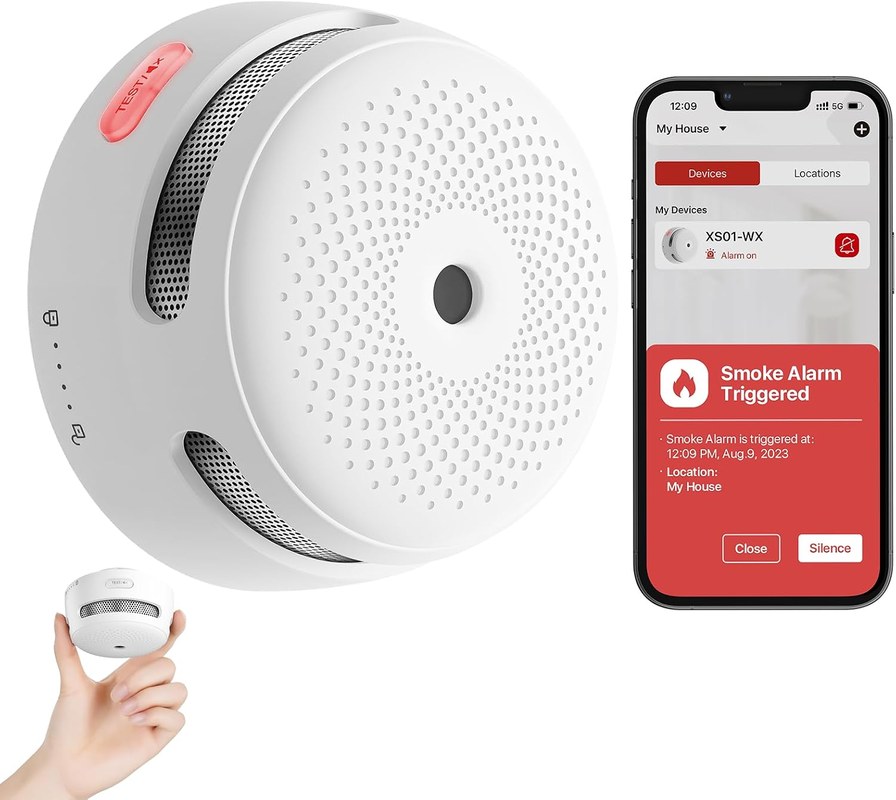
A smart smoke detector without subscription gives you loud local alarms and phone alerts with no monthly fee. You handle monitoring, maintenance, and response yourself, so verify Wi-Fi, power, and placement before buying.
A smart smoke detector without subscription can send phone alerts, sound a loud siren, and keep an alarm log with no monthly fee. This guide explains how these detectors work, what they can and cannot do, and what to check before you buy.
Fire safety starts with a working detector. A smart model adds convenience, but it does not replace an escape plan or emergency services. The right choice depends on your home, your network, and who can hear the alarm.
What “Best” Means Without a Subscription
The best subscription-free detector does three things well. It detects smoke and carbon monoxide reliably. It sounds a loud local alarm. And it sends alerts to your phone without a paid plan.
Beyond those basics, “best” depends on your situation. A renter may need a battery-powered unit with no drilling. A homeowner may want hardwired models that interconnect. A large home may need several units that alert each other.
Local Alerts vs. Professional Monitoring
Most smart detectors alert you instead of a monitoring center. You hear the siren. You get a phone alert. You decide what to do next.
Professional monitoring adds a call center that can verify an alarm and contact emergency services. That service usually costs a monthly fee. Without a subscription, you are the responder. That works when someone is home to hear the alarm.
Why “Subscription-Free” Doesn’t Mean “Offline”
A common myth is that no subscription means no internet. That is not true for most smart detectors. The siren works offline. Phone alerts usually need Wi-Fi.
Think of a smart smoke detector without subscription as a local alarm with remote alerts. If your internet goes down, the siren still works. App notifications may wait until the network returns. If the power goes out, battery backup keeps the unit working. The same trade-off appears with other devices, such as video doorbells that work without Wi-Fi.
How a Subscription-Free Smart Smoke Detector Works

Sensors, Sirens, and Smartphone Alerts
Detectors use sensors to spot smoke or carbon monoxide. Photoelectric sensors react faster to smoldering fires. Ionization sensors react faster to fast-flaming fires. Many models list their exact sensor type in the manual.
When a sensor triggers, the unit sounds a siren. Most models also send a push alert to your phone through the app. Some units can trigger the rest of the system, so the whole home hears the alarm.
Cloud vs. Local Data Handling
Subscription-free detectors handle data in different ways. Some keep alarm history on the device or a local hub. Others use a free cloud account that stores basic event history.
Cloud storage means your data passes through the maker’s servers. Local storage keeps more control in your hands. Before you buy, check what the app records and how long it keeps that data.
Renter or Homeowner: Power, Placement, and Home Layout
Hardwired vs. Battery-Powered Models
Hardwired detectors connect to your home’s electrical system. They usually have battery backup for power outages. Wiring can be risky, so a qualified person should handle it.
Battery-powered models run on replaceable batteries or sealed 10-year batteries. They install in minutes with screws or adhesive. Renters often prefer these because they are easy to remove. Ask your landlord before changing any existing detector.
Renters who want upgrades without permanent changes can also check smart locks for apartment doors with keys for similar limits.
Placement by Room and Rental Constraints
Placement matters more than brand. Install detectors on the ceiling or high on a wall, away from vents and windows. Put one inside each bedroom and outside sleeping areas.
Put one on every level of the home, including the basement. Keep them at least 10 feet from cooking appliances to reduce false alarms. In rentals, choose battery models that need no drilling. Check your lease before you mount anything.
Wi-Fi, Hubs, and Compatibility: Check Before You Buy
Wi-Fi Bands, Hubs, and Protocols
Most smart detectors connect over 2.4 GHz Wi-Fi. Some support 5 GHz or newer protocols like Matter or Thread. Your router must match what the device supports.
Check the spec sheet for the exact model. Older routers may lack the needed band. Large homes may need a mesh system to keep the detector connected.
App Permissions and Shared Users
Your household needs access to alerts. The app should let you add shared users with their own permissions. Decide who can silence alarms and who can change settings.
Review app permissions on your phone. Grant only what the app needs. Remove users who move out. Keep the main account with a person who will manage the system long term.
Installation and Setup Without a Professional
Step-by-Step Installation and Safety
Most subscription-free detectors are simple to set up. Still, follow the exact manual for your model. The steps below cover the usual process.
Verify the exact model, power source, network band, placement height, and app requirements.
Choose spots away from vents, windows, and cooking appliances. Follow the manual’s distance rules.
Mount the unit, add power, update firmware, and create a unique account password with MFA.
Test the siren and phone alert, then repeat monthly. Replace batteries and clean the unit on schedule.
Pairing, Testing, and Troubleshooting
After mounting, pair the detector with the app. Follow the app to join your Wi-Fi network. Then press the test button to confirm the siren and the phone alert work.
Test every detector monthly. Replace batteries on schedule. If a unit gives false alarms, clean it gently and check the placement. If problems continue, follow the manual or contact support. Never disconnect a detector to stop an alarm.
Self-Monitoring vs. Professional Monitoring: The Trade-Offs
Battery and Cellular Backup
Battery backup keeps a hardwired detector working during a power outage. It does not keep Wi-Fi alive. If your router is down, the siren works, but remote alerts stop.
Cellular backup uses a mobile network to send alerts when Wi-Fi fails. That feature almost always requires a subscription. Without a paid plan, you rely on your home network and your own attention.
- Your household receives alerts and decides what to do.
- No monthly fee for basic app features.
- No call center confirms the alarm.
- A monitoring center may verify eligible alarms.
- Dispatch availability depends on the plan and event.
- Fees, contracts, and permit rules may apply.
Permits, False Alarms, and Dispatch Limits
Some US cities require alarm permits. If you connect a monitored system, you may need to register it. Repeated false alarms can lead to fines.
A subscription-free detector rarely involves permits because no dispatch is involved. If you add professional monitoring later, confirm local rules with your city or county. Check with your insurance provider too, since some offer discounts for monitored alarms.
Privacy, Cybersecurity, and Vendor Support Lifecycle
Securing Your Account and Data
A smoke detector reveals when you are home based on alarm activity. Protect that data like any connected device.
Vendor Support and Cloud Retention
A subscription-free detector still depends on the maker’s app and servers for remote alerts. If the company stops supporting the app, some features may fail. Choose a brand with clear support and a history of updates.
Cloud retention limits vary. Free tiers may keep only a short event log. Local storage may hold more. Review the privacy policy for the exact model. Confirm how long data is kept and how you delete it.
Maintenance, Battery Life, and Total Cost of Ownership
Battery Replacement and Sensor Care
Detectors need care. Replace batteries on the maker’s schedule. Sealed 10-year batteries mean a full unit replacement at end of life. Replaceable batteries cost less but need yearly attention.
Dust can cause false alarms. Vacuum the vents gently a few times a year. Test monthly. Replace the whole detector after 10 years or when the manual says to.
The Real Five-Year Cost
The real cost is more than the purchase price. Add replacement batteries, a possible hub, and any optional plan. Most basic app features stay free, but verify the current terms.
A battery-powered, subscription-free detector with replaceable batteries can run for five years at a low cost. Add battery cost and nothing else. If you add a hub or monitoring, the math changes.
Limitations and When a Subscription Might Be Worth It
What You Give Up Without a Subscription
You give up a call center that watches your alarms 24/7. You also give up cellular backup and long cloud histories. You manage false alarms and maintenance yourself.
Subscription-free does not mean less safe. It means more personal responsibility. You are the person who checks alerts, calls 911, and keeps the system working.
Signs You Need Professional Monitoring
Consider a paid plan if your household often misses alarms or travels often. If no one is home for long hours, a monitoring center can act when you cannot. Some people want dispatch help for older adults who live alone.
The choice is similar to picking a best video doorbell without subscription. It comes down to what you can manage yourself. For many homes, a loud siren, a tested escape plan, and a neighbor check-in are enough. For others, professional monitoring is worth the fee.
A smart smoke detector without subscription works well for most US households. It provides loud local alarms and phone alerts with no monthly fee. You handle monitoring, maintenance, and response yourself. Verify power, placement, Wi-Fi, and app terms before you buy. Then test monthly and keep a fire escape plan.
Frequently Asked Questions
Yes, most smart smoke detectors sound local alarms and send app alerts without a monthly fee. Subscription fees usually add cloud storage, professional monitoring, or cellular backup.
The local siren still works when Wi-Fi is down. Phone alerts and remote app features usually wait until the network returns.
Battery-powered models can be just as safe when installed and tested correctly. Choose models with sealed 10-year batteries or a clear replacement schedule. Test the unit monthly.
Install one inside each bedroom and outside sleeping areas. Add one on every level, including the basement. Keep units at least 10 feet from cooking appliances.
Self-monitoring means your household receives alerts and decides what to do. Professional monitoring adds a call center that can verify alarms and contact emergency services, usually for a monthly fee.
Use a unique password and enable MFA on your account. Update the device and app software regularly. Review shared users and delete data when you move.