A video doorbell can use very little data when it only sends occasional alerts, or a lot when it records often and you watch live video. Your monthly usage depends most on motion settings, video quality, and how busy the front door is.
How much data does a video doorbell use depends on motion activity, video quality, live view use, and storage method. For many US homes, the answer ranges from modest to much higher.
Direct Answer: What how much data does a video doorbell use Means for a US Home
The short answer is simple. A video doorbell can use very little data when it stays idle.
It can also use a lot when it records and streams often. The biggest drivers are motion alerts, live viewing, video resolution, frame rate, and whether your app uploads every clip to the cloud.
For a typical home, data use is usually measured in two ways. One is upload data from your home internet. The other is data stored by the service.
Upload is the part that matters most for internet plans. The doorbell sends video out to the cloud or to a hub. If your plan has a monthly data cap, frequent activity can matter more than the doorbell brand itself.
How It Works and What It Can Actually Do
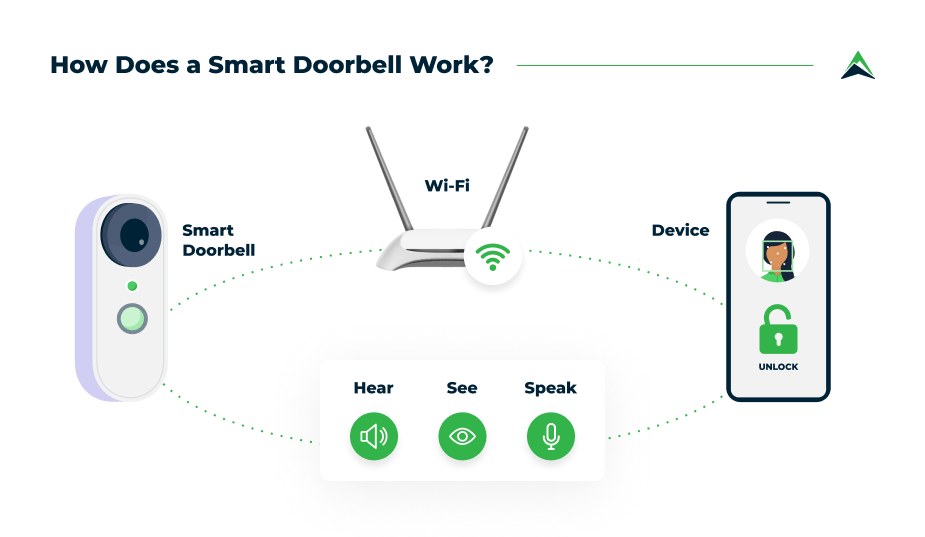
The video doorbell connects to the app and sends alerts when motion is detected
A video doorbell is a small camera, microphone, speaker, and button in one unit. It detects motion and sends alerts to your phone. It may also let you talk with visitors through the app.
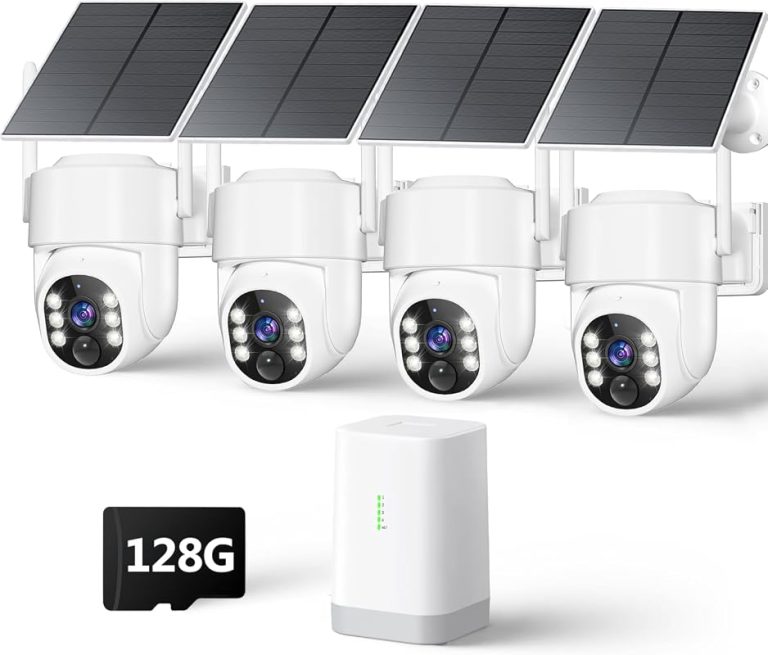
Some models save clips to a memory card or hub. Others rely on cloud storage.
Data use rises when the device does more work. A quick motion alert uses less data than a long recorded clip.
A live view session uses even more. The camera sends a continuous stream while you watch.
Most users notice that settings matter more than specs on paper. A doorbell aimed at a busy sidewalk may trigger many clips each day. One aimed at a quiet porch may use far less.
Compatibility, Power, Wi-Fi, and Platform Requirements
Compatibility affects both how the doorbell works and how much data it uses. A battery model may save power by recording only when motion is detected.
A wired model may stay ready longer and support more frequent clips or live views.
Wi-Fi quality matters too. Weak signal can cause dropped clips, slow video, and repeated reconnects. That may waste bandwidth.
A strong 2.4 GHz or 5 GHz connection, depending on the model, usually gives smoother performance. Some systems also need a hub, bridge, or specific app version.
Platform support matters for daily use. If the app only works on newer iPhones or Android versions, shared users may have trouble getting alerts.
Voice assistants and smart home platforms can also add background activity. Still, the main data use comes from video clips and live viewing.
Placement, Installation, and Household Considerations<
Video doorbells connect to home networks for live viewing and motion alerts.
Placement has a major effect on data use. A doorbell pointed at passing cars, a sidewalk, or moving tree branches may trigger many extra recordings.
A better angle can reduce false motion and save bandwidth.
Mounting height also matters. If the camera sits too low, it may catch pets, packages, or people walking by. If it sits too high, it may miss faces and trigger more useless clips.
Most homes do best with a view that covers the porch and approach path, not the street.
Household use changes the picture too. Families often share the app with more than one adult.
More users can mean more live views, more notifications, and more chances for accidental settings changes. Renters should also check lease rules before drilling or replacing an existing doorbell.
Privacy, Cybersecurity, Storage, and Subscription Limits
Privacy and data use go together. If a doorbell records audio and video, it may capture neighbors, delivery workers, and passersby.
Many models offer privacy zones. These block parts of the image from recording. That can reduce unwanted capture without lowering useful porch coverage.
Storage also shapes cost and data handling. Cloud storage sends clips to a vendor server. Local storage keeps clips on a card or hub in your home.
Cloud storage is easier to access from anywhere, but it depends on the internet and may require a plan. Local storage avoids some recurring fees, but the device or card can be lost, stolen, or damaged.
Local Storage
Stores clips at home on a card, hub, or recorder.
Can reduce monthly service costs.
May still need internet for alerts and remote viewing.
Cloud Storage
Stores clips on the provider’s servers.
Usually depends on a subscription or trial plan.
Can use more upload data from your home network.
Cybersecurity is part of privacy. Use a unique password, turn on multi-factor authentication, and update the app, firmware, and router.
Review who has account access, especially in shared homes. Remove old users after a move, breakup, or tenant change.
Subscriptions can also limit what the doorbell does. Some plans unlock longer video history, richer alerts, or smart detection. Others only keep a short clip history. If you want to understand data use, check whether the plan stores every event or only selected clips.
Troubleshooting and Ongoing Maintenance
If data use seems too high, start with safe checks. Look at motion sensitivity, activity zones, video quality, and live view habits.
A busy street, a fan, or moving plants can trigger many clips. Lowering sensitivity or narrowing the motion zone often helps.
If video keeps buffering or clips fail to upload, check Wi-Fi first. Move the router closer, test the signal at the front door, or add a mesh node if needed.
Also confirm the app, doorbell firmware, and router firmware are current. Outdated software can cause repeat reconnects and extra data use.
1
Confirm requirements
Verify the exact model, power, network, storage, placement, household, rental, and platform requirements.
2
Plan safe placement
Consider privacy, field of view, weather, height, doors and windows, wiring, and emergency access.
3
Install and secure
Follow the exact manual, update firmware, use a unique password, and enable MFA.
4
Test and maintain
Test alerts, recording, outage behavior, batteries, users, permissions, and backup procedures.
Maintenance is simple but important. Clean the lens, check the mount, replace batteries when needed, and review stored clips before the plan renews.
If you use local storage, confirm the card still works and has enough space. If you use cloud storage, check retention settings so old clips do not disappear sooner than expected.
Common Mistakes and When to Get Professional Help
One common mistake is assuming every doorbell uses the same amount of data. In reality, motion settings, placement, and live view habits can change usage a lot.
Another mistake is ignoring the upload side of the internet plan. Download speed helps playback, but upload speed matters most for sending video out.
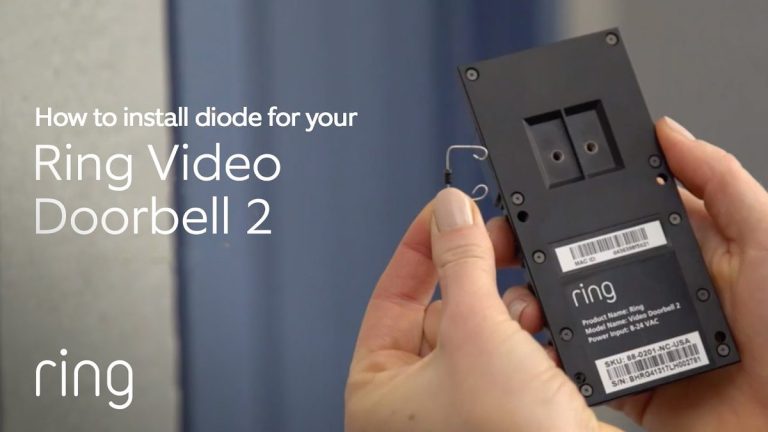
People also forget about power and wiring. Some homes need a transformer upgrade, a power kit, or a chime bypass.
If the manual calls for wiring changes, do not guess. Stop and use a qualified installer when the setup is unclear.
Professional help is also smart when a rental agreement limits drilling, when the doorbell faces a public area, or when you need help with network security.
A professional can help with safe mounting, transformer checks, and cleaner cable routing.
Final Takeaway
Final Takeaway
how much data does a video doorbell use depends mostly on motion, live viewing, video quality, and storage method. For most US homes, the best next step is to check the exact model’s settings, verify Wi-Fi strength at the door, and choose placement that reduces unnecessary clips.
It can, but the amount depends on motion activity, live viewing, and video quality. A quiet porch uses far less data than a busy entryway.
Live view and frequent motion clips usually use the most data. Higher resolution and longer recording times also increase usage.
They need a stable connection, and upload speed matters most. If the signal is weak at the door, clips may fail or reload often.
Some models can work without a plan, but features may be limited. Local storage or basic alerts may still be available, depending on the model.
Lower motion sensitivity, narrow the activity zone, and reduce unnecessary live views. Good placement and a stronger Wi-Fi signal can also help.
Renters should review lease rules, drilling limits, and any property approval requirements. They should also confirm power, Wi-Fi, and whether the device can be removed without damage.
Hi, I'm Marcus Sterling, a smart home security expert with over 5 years
of hands-on experience testing and reviewing hundreds of security cameras, smart locks, and alarm systems. My mission is to make smart home security accessible, affordable, and easy to understand—and every review I publish is 100% independent, unbiased, and honest. I don't accept payments for positive reviews, just practical advice to help you secure your home with confidence.
Quick Security Answer SimpliSafe video doorbell installation is usually simple if your wiring, Wi-Fi, and mounting spot are ready first. Renters should check permission rules before drilling, and every user should review app security and recording settings after setup. Simplisafe video doorbell installation is usually simple for a homeowner with wired doorbell power. But the…
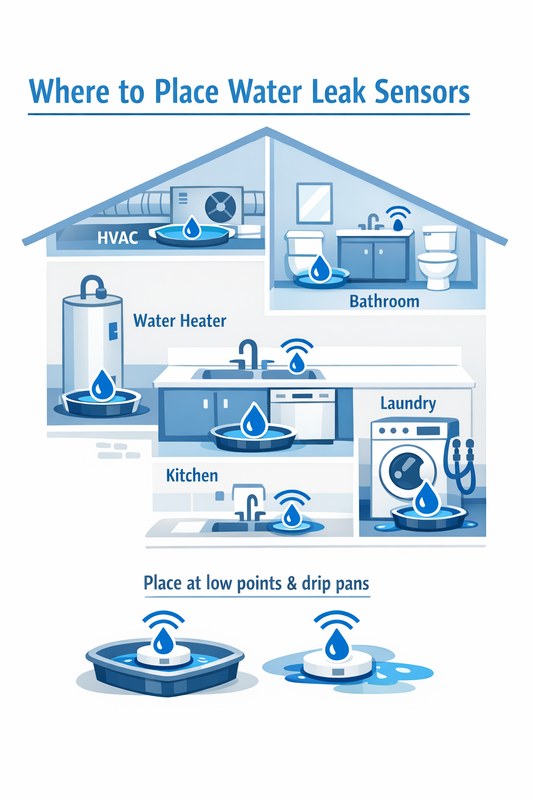
View on Amazon Quick Security Answer Place water leak sensors at the highest-risk spots: under sinks, behind toilets, near the washing machine, and around the water heater. Position them flat on the floor with clear access to water flow and test them monthly. Smart Home Security Guide Knowing where to place water leak sensors is…
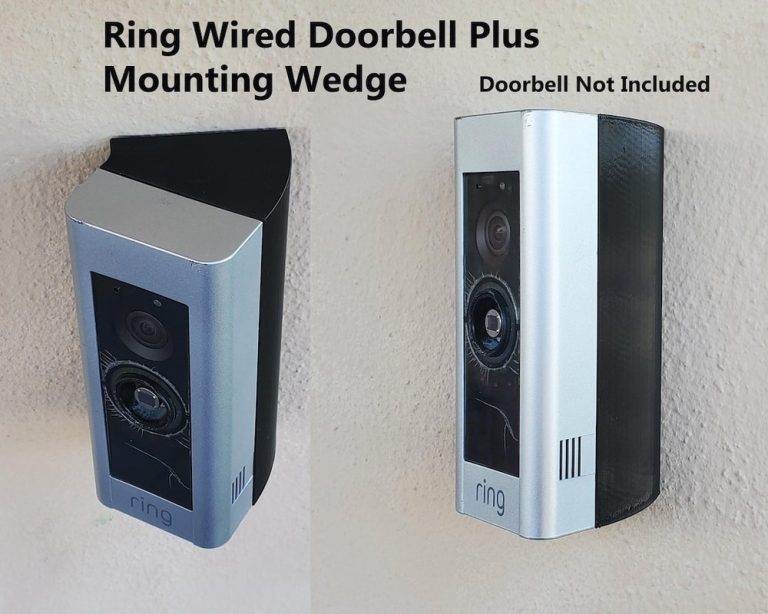
Quick Security Answer A corner kit can help a Ring video doorbell face the approach path better when the door sits near a wall or tight corner. It is most useful when you also verify wiring, Wi-Fi, privacy settings, and rental rules first. A corner kit ring video doorbell setup helps a doorbell camera face…
Compare the 9 best outdoor security cameras with local storage for US homes. Find no-subscription picks with SD cards, hubs, and NVR storage. Check prices now.
A video doorbell can show us who is at the door, record activity outside, and send alerts to our phones. These devices can improve awareness around a home, but their usefulness depends on clear video, reliable motion detection, and an app that makes alerts easy to manage. The eufy Video Doorbell E340 is a battery-powered…
Quick Security Answer A ring video doorbell diode can help a wired Ring doorbell work correctly with some chime setups, especially older mechanical systems. Check the exact model manual first, because many issues come from the transformer, chime type, or loose wiring instead. The ring video doorbell diode helps manage power flow. It lets a…