HJK Meaning Explained The Complete Guide for Beginners
HJK is a working label for a smart home security hub, not a single retail product. This guide explains how to plan, install, secure, and maintain one for a US home or rental.
If you have seen the term hjk in smart home discussions, you may be wondering what it means. HJK is not a single retail product. In this guide, it stands for a smart home security hub that connects cameras, locks, and sensors in one app. You will learn what to look for, how to plan setup, and how to keep your system secure.
What Is HJK? Definition, Origin, and Core Purpose
HJK is a working label for a category of smart home security hub. The core purpose is simple. One hub connects your cameras, locks, and sensors to one app. Instead of juggling several apps, you get one place for alerts, recordings, and automations.
The term has no official origin and no single brand. Treat HJK as a stand-in for any hub that fills this role. That makes the advice here useful no matter which product you choose.
HJK vs. a Traditional Smart Home Hub
A traditional smart home hub, like a smart speaker, focuses on voice commands and media. An HJK-style hub focuses on safety first. It may add alarm modes, event history, and priority alerts for doors and cameras.
Both can control lights and plugs. The main difference is intent. A security hub monitors, records, and warns. A general hub assists and entertains. Choose based on your main goal.
Who Should Use HJK Today?
HJK-style hubs suit homeowners, renters, families, and caregivers. They help people who want one place to watch entry points, check on kids or pets, and manage access codes. They also suit small-property owners who rent out a unit.
You do not need to be technical. Most hubs guide you through setup in an app. Still, you should be ready to manage Wi-Fi, passwords, and updates. If you prefer no subscriptions, check for local storage or self-monitoring options before buying.
How HJK Works: Hubs, Wi-Fi Bands, and Protocols

An HJK hub sits between your devices and your router. Cameras, locks, and sensors send signals to the hub. The hub sends alerts and video to your phone through your home network. This setup reduces the load on your Wi-Fi and keeps devices talking to each other.
Supported Wireless Standards: Matter, Thread, and Zigbee
Many modern hubs support Matter, Thread, Zigbee, or Z-Wave. These are wireless standards that let devices from different brands work together. Matter is the newest common standard. Thread and Zigbee use low power and work well for sensors. Z-Wave is another common option in the US.
Check which standards the hub and your devices support. A Zigbee device will not connect to a hub that only supports Z-Wave. The product page or manual should state this clearly.
How the HJK Hub Connects to Your Existing Router
Most hubs connect to your router with an Ethernet cable or over Wi-Fi. Ethernet is usually more stable. Wi-Fi is easier to place in a different room. Some hubs support both, which gives you flexibility.
Check the supported Wi-Fi bands. Older hubs may only use 2.4 GHz. Newer ones often support 5 GHz or 6 GHz. If your router uses a mesh system, confirm the hub works with it before you buy.
Planning Your HJK Installation: Placement and Power
Good placement decides how well your system works. Start with coverage, then think about power and privacy. A hub in a closet may miss signals. A hub too close to a thick wall may also struggle.
Choosing the Optimal Location for Signal Coverage
Place the hub near the center of your home when possible. Keep it away from large metal objects, fish tanks, and thick concrete walls. For outdoor cameras, check the distance from the hub to the camera. Walls and windows reduce signal strength.
Think about the camera field of view too. A camera aimed at a public sidewalk may record neighbors without consent. Angle it to cover only your property, doors, and walkways.
Power Requirements, Cable Management, and Battery Backup
Verify the exact power requirement for each device. Some hubs use a simple USB adapter. Others need a specific transformer. Never guess with voltage. The manual or the label on the device will tell you.
Use cable clips to keep cords away from walkways and pets. Consider a small uninterruptible power supply (UPS) for the hub and router. That keeps the system online during short outages. Battery backup varies by model, so check before you rely on it.
Step-by-Step HJK Setup for Beginners
Setup follows the same basic path for most hubs. You install an app, create an account, and pair devices. Take your time and test each step before moving on.
Unboxing, App Installation, and Account Creation
Unbox the hub and keep the manual, labels, and receipts. Download the app from the official app store. Create an account with a unique password and enable multi-factor authentication (MFA). MFA sends a code to your phone when you log in. It blocks most account theft.
Follow the app prompts to add the hub. The app usually asks you to scan a QR code or enter a pairing code. Keep the hub near the router during first setup. Move it to its final spot after it connects.
Pairing Your First Devices: Cameras, Locks, and Sensors
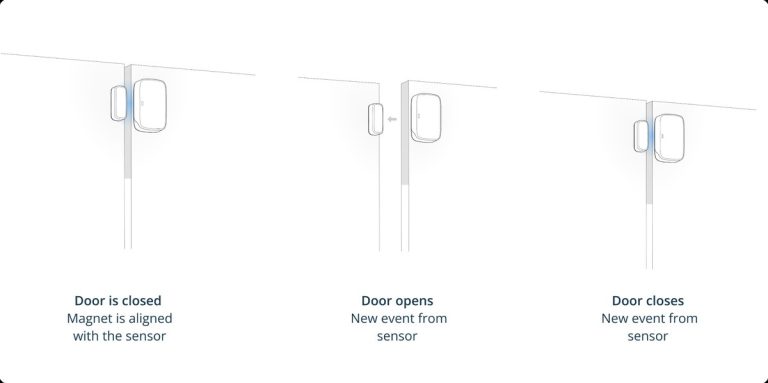
Start with one device type, like a door sensor. Put the device in pairing mode, then add it in the app. Name it clearly, such as “Front Door.” Test the alert right away. Then move to the next device.
For cameras, check the live view and recording before mounting. For locks, test the keypad, app lock, and physical key. For sensors, open and close the door to confirm the alert. Fix one issue at a time so you know what caused it.
Verify the exact model, power, network, storage, placement, household, rental, and platform requirements.
Consider privacy, field of view, weather, height, doors and windows, wiring, and emergency access.
Follow the exact manual, update firmware, use a unique password, and enable MFA.
Test alerts, recording, outage behavior, batteries, users, permissions, and backup procedures.
HJK Compatibility: What Works and What to Avoid
Compatibility is the most common source of frustration. A device that works with Alexa may not work with your hub. Always check the exact model number, not just the brand.
Checking Device Compatibility Before Purchase
Look for the hub’s supported protocol list. If the hub supports Matter, look for Matter-certified devices. If it supports Zigbee, choose Zigbee devices. Check the app’s device list too. Some hubs support a device but not all of its features.
Check your phone’s operating system as well. Some hubs need a specific app version for iOS or Android. Also check voice assistants if you plan to use them. Write down the model numbers and confirm before you buy.
Renter Constraints vs. Homeowner Installations
Renters should avoid permanent changes. Use adhesive mounts or battery-powered devices when possible. Get written permission before drilling or replacing a deadbolt. Save the original hardware so you can restore the home at move-out.
Homeowners have more freedom but still face limits. HOAs may restrict exterior cameras or visible wiring. Local rules may limit where cameras can point. Check your lease, HOA rules, and local laws before installing.
HJK Privacy and Cybersecurity Essentials
A smart security system collects sensitive data. That data needs strong protection. Start with your account, then review camera placement and storage.
Securing Your Account: MFA, Strong Passwords, and Shared Users
Use a unique password for your security account. Do not reuse a password from another site. Enable MFA. Review the list of shared users and remove anyone who no longer needs access.
Check app permissions on your phone. A security app should not need access to your contacts or photos. If it asks for too much, deny it or choose a different product.
Privacy Zones, Cloud Retention, and Local Storage Options
Most cameras let you set privacy zones. These block parts of the image from recording. Use them to avoid capturing neighbors, sidewalks, or windows of other homes.
Decide where recordings live. Cloud storage is easy to access but depends on a plan and your internet. Local storage, like a microSD card or hub storage, keeps data at home but can be stolen or damaged. Check the retention period for cloud clips. Some plans delete clips after a few days.
HJK Troubleshooting and Maintenance Guide
Most issues come from Wi-Fi, power, or outdated software. Start with the simplest fix and test after each step.
Common Connectivity Problems and Quick Fixes
If a device goes offline, check power first. Then check the distance to the hub. Move the device closer and see if it reconnects. Restart the hub by unplugging it for 30 seconds. Restart your router after that.
If video is slow, check your upload speed and Wi-Fi band. If alerts are late, check notification settings in the app and on your phone. Some phones block background alerts. Allow notifications for the security app.
Firmware Updates and Vendor Support Lifecycle
Keep the hub, devices, and app updated. Updates fix bugs and close security holes. Turn on automatic updates when the app offers them.
Check how long the vendor supports a product. Some hubs lose updates after a few years. If a product stops receiving updates, plan a replacement. Check the vendor’s support page for the current lifecycle and contact channels.
HJK Subscription Plans and Ownership Costs
Costs go beyond the hub. You may pay for cloud storage, monitoring, batteries, and accessories. Know the difference between free and paid features before you commit.
Free Features vs. Paid Monitoring and Cloud Plans
Most hubs work without a plan. You can watch live video, get app alerts, and use local storage. Paid plans usually add cloud recording, longer retention, and sometimes professional monitoring.
Professional monitoring means a monitoring center may review eligible alarms. Dispatch depends on the plan and event. Some plans require a contract. Others are month to month. Read the plan page and cancel terms before you pay.
- The household receives alerts and decides what action to take.
- Usually has lower ongoing cost.
- Does not guarantee emergency dispatch.
- A monitoring center may review eligible alarms.
- Dispatch availability depends on the plan and event.
- Fees, contracts, permits, and false-alarm rules may apply.
Evaluating Long-Term Value and Limitations
Add up the first-year cost. Include the hub, accessories, plan, batteries, and any installation fees. Compare that with the features you actually use. A cheap hub with a costly plan may cost more over time than a pricier hub with no plan.
Know the limits. A smart hub cannot stop a determined intruder. It can alert you and record events. It does not replace locks, fire safety, or emergency services. In an immediate emergency, call 911 when it is safe to do so.
Next Steps: Building Your HJK System Gradually
Start small and expand as you learn. Begin with one hub and one or two devices. Test them for a week. Then add a camera, a lock, or more sensors.
Write down your network name, device list, and support contacts. Keep the manual and receipts in one place. Review your privacy settings every few months. Update passwords and remove old users when your household changes.
Finally, verify everything against the exact product you choose. Model numbers, plans, and features change. The safest next step is to read the current manual and plan page before you buy.
HJK is not a single product. It is a useful label for a smart home security hub. Its value comes from centralizing cameras, locks, and sensors in one app. The main limitation is that every model differs, so you must verify compatibility, power, plans, and privacy. Start small, secure your account, and test each device before you rely on it.
Common Questions
HJK is a working label for a smart home security hub. It connects cameras, locks, and sensors in one app.
Many cameras and locks can work alone with Wi-Fi. A hub helps them work together and reduces network load.
Matter is a common wireless standard that lets smart devices from different brands work together.
Local storage keeps data at home but can be stolen or damaged. Cloud storage is easier to access but usually costs a monthly fee.
No. It can alert you and record events, but it does not replace locks, fire safety, or emergency services.
Frequently Asked Questions
HJK is not a single retail product. In this guide, it stands for the category of smart home security hub that connects cameras, locks, and sensors in one app.
Check for Matter, Thread, Zigbee, and Z-Wave support. The hub and your devices must share at least one standard to connect. Confirm the exact model numbers before purchase.
Most hubs work without a plan for live viewing and app alerts. Paid plans usually add cloud recording, longer retention, and sometimes professional monitoring. Read the plan page for current terms.
Place it near the center of your home, away from metal objects and thick walls. Keep it close enough to your router for a strong signal. Verify the distance to outdoor cameras.
Yes, if you avoid permanent changes. Use battery-powered devices and adhesive mounts. Get written permission before drilling or replacing hardware, and save the original parts.
Use a unique password and enable multi-factor authentication (MFA). Update the app, hub, and devices regularly. Review shared users and remove anyone who no longer needs access.