Water Leak Sensor vs Water Shutoff Valve Key Differences
A water leak sensor tells you when water is present. A water shutoff valve stops the water flow. For full protection, use both together.
The water leak sensor vs water shutoff valve decision starts with one simple question: do you want to know about a leak, or stop it? This guide explains what each device can and cannot do, how they work together, and which setup fits your home.
Water Leak Sensor vs Water Shutoff Valve: What’s the Real Difference?
Sensors Detect; Valves Act
A water leak sensor is a small device that sits where water might appear. It uses metal contacts or probes to sense moisture. When water touches those contacts, the sensor sends an alert to your phone or hub. It does not stop the water flow. Its job ends at detection.
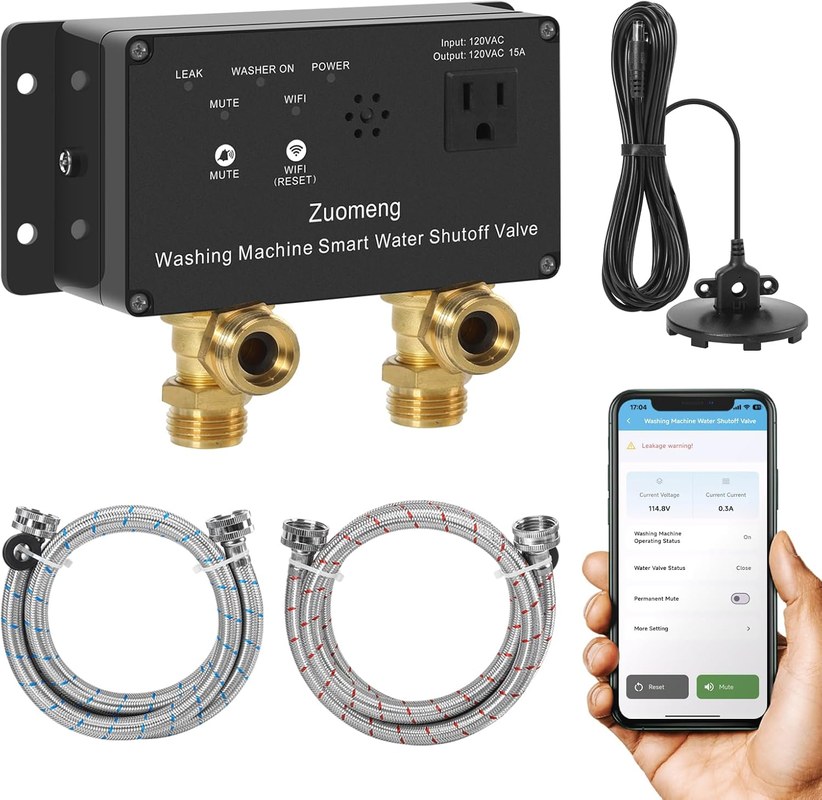
A water shutoff valve attaches to your main water line or an appliance supply line. It can close automatically when a leak is detected. Some models connect to leak sensors. Others use internal flow sensors to spot abnormal water use. When triggered, the valve stops water from reaching the leak.
Why They Are Complementary, Not Competing
Think of a sensor as a smoke detector and a valve as a fire suppression system. The sensor gives you time to act. The valve limits the damage while you act. Most leak-protection setups work best when both devices share the same system. A sensor detects the problem. The valve responds to it.
What a Water Leak Sensor Can and Cannot Do

A water leak sensor can alert you to moisture in a specific spot. It cannot stop water, find the source, or protect areas where you did not place it. That limitation shapes where sensors work best.
Detection Limits: Slow Drips, Hidden Leaks, and False Alarms
Sensors only detect water where they sit. A slow drip behind a cabinet may take days to reach the sensor. A leak inside a wall can go unnoticed for weeks. False alarms also happen. Steam, humidity, or a spilled drink can trigger a sensor that is too close to a sink or shower.
Most sensors are point detectors, not area detectors. They cover a small footprint. You need several sensors to protect a large home. Placement matters more than brand.
Where Sensors Make Sense (and Where They Don’t)
Sensors make sense near water heaters, under sinks, behind washing machines, and beside toilets. These are spots where leaks start and where you can reach a sensor to replace its battery.
Sensors make less sense in large open areas, behind heavy appliances, or in places you cannot easily check. If you cannot reach the sensor to test it, you may not maintain it. An untested sensor is not reliable.
What a Water Shutoff Valve Can and Cannot Do
A water shutoff valve can stop the flow of water to your home or to a single appliance. It cannot detect every leak on its own. Most valves need a trigger from a sensor, a flow pattern, or a manual command.
How Automatic Shutoff Valves Detect a Problem
Automatic shutoff valves use one of two main methods. Some valves pair with wireless leak sensors. When a sensor gets wet, it sends a signal to the valve to close. Other valves monitor water flow directly. They learn your normal usage patterns and close when they see an abnormal surge, like a burst pipe.
Each method has limits. Sensor-triggered valves only respond to leaks the sensors find. Flow-based valves may miss small, slow leaks that look like normal use.
The Gap Between Detection and Prevention
A shutoff valve does not prevent the leak itself. A pipe can still burst. A hose can still split. The valve limits how much water escapes after the problem starts. That gap matters for your expectations.
A valve also cannot protect you if the leak happens before the valve. For example, a leak on the street side of your main shutoff is outside the valve’s control. Most homes have a main valve that covers the interior plumbing, but not the utility connection.
Side-by-Side Comparison: Sensor vs Shutoff Valve
This table compares the two devices on the criteria that matter most at purchase time.
| Option | Best suited to | Power and network | Main limitation |
|---|---|---|---|
| Water leak sensor | Spot detection in rooms or near appliances | Battery or USB; Wi-Fi or hub | Only detects where placed; cannot stop water |
| Water shutoff valve | Whole-home or appliance-level shutoff | Hardwired or battery; Wi-Fi, Z-Wave, or hub | Needs a trigger; installation is more involved |
| Sensor plus valve | Full detection and response | Both devices coordinated | Higher upfront cost; may need a professional |
Which One Should You Choose? A Decision Framework
Renters vs. Homeowners: Installation and Permanence
Renters usually start with sensors. They are small, battery-powered, and easy to remove. You can place them under a sink or near a washing machine without changing the plumbing. Most landlords allow them because they cause no damage.
Homeowners have more options. A shutoff valve is a permanent addition to your plumbing. It may require cutting into a pipe or hiring a plumber. If you own your home and want whole-house protection, a valve is worth the effort.
High-Risk Areas: Kitchen, Laundry, Basement, and Water Heater
Some areas deserve more attention than others. A water heater can release dozens of gallons before you notice. A washing machine supply hose can burst while you are away. A basement sump pump failure can flood finished space.
For these high-risk spots, a sensor alone may not be enough. Pair it with a valve that shuts off the water supply to that appliance. That combination limits damage even when no one is home.
Budget, Insurance, and Ownership-Cost Analysis
Sensors are cheaper upfront. Many cost less than a dinner out, and some need no subscription. Valves cost more because they include a motorized mechanism and often require professional installation.
Some US homeowners insurers offer discounts for leak detection and shutoff devices. Discounts vary by carrier and state. Check with your insurer before you buy. The discount may not cover the full cost, but it can reduce the payback period.
Installation, Power, and Connectivity
Placement: Sensor Locations vs. Valve Mounting
Place sensors where water first appears: under sinks, behind toilets, beside the water heater, and near the washing machine. Keep them off metal surfaces and away from direct spray.
Valves mount on the main water line or on the supply line to a specific appliance. The main line is usually near your water meter or where the pipe enters the home. You need enough clearance to install and service the valve.
Power, Wi-Fi Bands, and Hub Requirements
Most sensors run on batteries and last months to years. Some plug into a wall outlet. Valves may use batteries, a plug-in adapter, or both. A valve that loses power may fail open or stay in its last position, depending on the model.
Check the network before you buy. Some devices use 2.4 GHz Wi-Fi only. Others support 5 GHz or use Z-Wave, Zigbee, Thread, or Matter. A hub may be required. If your router uses only 5 GHz, a 2.4 GHz-only sensor will not connect.
DIY vs. Professional Installation
Sensors are usually DIY-friendly. You place them, pair them with an app, and test them. Valves are more complex. A whole-home valve may need a licensed plumber, especially if it involves soldering or local code requirements.
Ask the manufacturer for installation instructions before you buy. Some models are designed for DIY. Others clearly state that professional installation is recommended.
Alerts, Monitoring, Privacy, and Cybersecurity
App Alerts, Subscriptions, and Cloud Retention
Both sensors and valves send alerts through a companion app. Some work with a hub that stores alert history locally. Others rely on cloud services. Cloud retention varies by brand and plan. Some apps keep history free for a limited time; others require a subscription.
Check whether the device works during a power or internet outage. A sensor that needs cloud access may not alert you when the internet is down. A valve with a local hub may still close, but you may not get the notification.
Professional Monitoring, False Alarms, and Dispatch Limits
Some leak systems connect to professional monitoring. A monitoring center can call you when a leak alert comes in. This is different from emergency dispatch. Water leak monitoring usually does not involve police or fire response.
False alarms can happen. A sensor near a humid bathroom may trigger often. If a monitoring plan has a dispatch limit or false-alarm fee, repeated triggers become costly. Ask about the policy before you sign up.
Privacy, Cybersecurity, and App Permissions
Leak sensors collect little personal data. They mainly report moisture status and battery level. Valves report water flow and open or closed status. Still, the app may request location, notifications, or account access.
Use a unique password and enable two-factor authentication. Update the firmware on the device, hub, and router. Review which household members have app access. If you sell the home or move, remove the device from your account and factory reset it.
Maintenance, Firmware, and Long-Term Reliability
Testing Your Sensor and Valve
Test every sensor monthly. Press the test button or place a damp cloth on the contacts. Confirm the alert reaches your phone. Replace batteries on a schedule, not just when the low-battery warning appears.
Test the valve too. Use the manual shutoff button in the app. Then open a faucet to confirm water stops. Some valves have a self-test mode that runs automatically. Follow the manufacturer’s instructions.
Firmware Updates and Vendor Support Lifecycle
Smart devices depend on software. A sensor or valve can lose features if the vendor stops updating the app or cloud service. Before you buy, check the manufacturer’s support page for update history and device lifespan.
Some companies commit to long support windows. Others discontinue older models quickly. If a device relies on a cloud service that shuts down, the hardware may become useless. Choose products from vendors with a clear support track record.
The Bottom Line: Pair Them for Full Protection
A water leak sensor tells you about a problem. A shutoff valve stops the problem from getting worse. For most homeowners, the best answer is both. Start with sensors in high-risk areas. Add a shutoff valve when your budget and plumbing allow.
Renters can rely on sensors alone. Homeowners who travel often should consider a valve. Check your insurer for discounts, verify the network requirements, and test everything monthly. The goal is not just a smart home. The goal is a dry one.
Frequently Asked Questions
No. A water leak sensor only detects moisture and sends an alert. It cannot close a valve or stop the water flow.
Many do, but it depends on the model. Some use Wi-Fi directly, while others need a hub that supports Z-Wave, Zigbee, Thread, or Matter. Check the exact requirements before you buy.
It depends on the model and its backup power. Some valves fail open, while others stay in their last position. Verify the outage behavior in the manual.
Yes. Sensors are small, battery-powered, and easy to remove. They add no permanent changes and can alert you to leaks under sinks or near appliances.
Not always. Many sensors work without a monthly fee, but some brands charge for cloud history, advanced alerts, or professional monitoring. Check the plan details before you buy.
Test both monthly. Use the test button on the sensor and the manual shutoff on the valve. Confirm the alert reaches your phone and that water stops flowing.