Is Blink Outdoor 4 Wireless? Key Connectivity Facts
Blink Outdoor 4 is a wireless security camera that connects to your Wi-Fi and runs on batteries, so you can place it without routing power or video cables. Yes, Blink Outdoor 4 is wireless, but it still needs Wi-Fi and the Blink app to provide remote viewing and alerts.
I’ll cover its battery life, installation, 1080p video, night vision, motion detection, storage choices, and subscription features. You’ll also see what the camera requires and whether it fits your home security needs.
Key Takeaways
- Blink Outdoor 4 uses Wi-Fi for wireless video access.
- Two AA lithium batteries can power it for up to two years.
- The camera supports live view, two-way audio, and motion alerts.
Wireless Connectivity Explained
I connect Blink Outdoor 4 to a home Wi-Fi network through the Blink app. The camera uses Wi-Fi for Live View, motion alerts, and two-way audio, while the Sync Module can help extend wireless coverage in supported setups.
Wi-Fi Requirements
I need a compatible 2.4 GHz Wi-Fi network to set up Blink Outdoor 4. The camera does not use a mobile data connection, so it must remain within range of the home network or a compatible Sync Module.
A stable internet connection supports faster alerts and more reliable Live View. Weak service can cause delays, dropped video, or trouble completing setup. I also need the correct Wi-Fi password and access to the Blink mobile app during installation.
The camera sends video and audio through the network. Features such as Person Detection require a Blink Subscription Plan or trial. Alexa integration also requires a compatible Alexa device and account.
Signal Range Considerations
Wi-Fi range depends on distance, walls, floors, metal objects, and other wireless devices. I get the best results when I place the camera where it receives a strong signal from the router or Sync Module.
Outdoor 4 can work with a Wi-Fi extender, but the extender must provide a stable connection where I install the camera. A Sync Module can also improve coverage when I pair it with supported Blink cameras and place it in a suitable indoor location.
I can check signal strength in the Blink app after setup. If the connection remains weak, I can move the router, extender, Sync Module, or camera, and reduce obstacles between the devices.
Power And Battery Operation
I rely on two AA 1.5-volt lithium batteries to power the Blink Outdoor 4. Battery life depends on motion activity, Live View use, video length, Wi-Fi strength, temperature, and other camera settings. The camera stays in a low-power state until it detects activity or receives a command.
Battery Life Expectations
Blink rates the included lithium batteries for up to two years under typical use. I should treat this as an estimate, not a guarantee. Frequent motion alerts, long Live View sessions, two-way talk, night vision, and weak Wi-Fi can drain the batteries faster.
I should use AA lithium batteries, not rechargeable or alkaline batteries. When power runs low, the Blink app can show a battery warning. I can replace both batteries at the same time and confirm that the positive and negative ends match the markings inside the battery compartment.
Cold weather may reduce battery performance. I can extend battery life by aiming the camera away from busy areas, reducing unnecessary motion detection, limiting Live View use, and placing the camera where it receives a strong Wi-Fi signal.
Optional Solar Panel Support
I can use a compatible Blink Outdoor 4 solar panel accessory to reduce the need for battery changes. The panel supplies power when it receives enough direct sunlight, while the internal batteries help operate the camera when sunlight is limited.
A solar panel does not guarantee continuous operation. Shade, cloudy weather, short winter days, dirt, and poor panel placement can reduce power. I should install the panel where it receives several hours of direct sunlight and keep its surface clear.
I must use an accessory designed for the Blink Outdoor 4 and follow its installation instructions. The camera remains wireless because the panel connects outside the camera while the camera continues to communicate through Wi-Fi.
Installation And Placement
I can install the Blink Outdoor 4 without running power cables. I should choose a location with a strong Wi-Fi signal, a clear view, and enough height to reduce tampering while keeping the camera within reach for battery changes.
Mounting Options
The Outdoor 4 includes a mount, a right-angle adapter, an opening tool, and two screws. I can attach the included mount to suitable wood or brick surfaces, using the supplied hardware when it fits the surface. I should use proper anchors and screws for other materials, such as siding, concrete, or stucco.
I can adjust the camera angle after attaching it to the mount. I should aim it at the main approach, door, driveway, or other area I want to monitor. I should avoid pointing it directly at bright lights or reflective surfaces, which can reduce image quality.
Before drilling, I should check live view in the Blink app and confirm that the camera covers the needed area. I also need to leave enough space to remove the camera and replace its two AA lithium batteries.
Outdoor Weather Resistance
The Blink Outdoor 4 is designed for outdoor use, but I should still place it where the camera receives some protection from heavy rain and direct sunlight. A covered entry, roof edge, or sheltered wall can reduce exposure to harsh weather and help prevent glare.
I should mount the camera with its lens facing outward and keep the battery compartment fully closed. I should not place it where water can collect around the cover, or where sprinklers spray it repeatedly. I also need to keep leaves, branches, and other objects away from the lens and motion sensor.
The camera uses AA lithium batteries, which help support outdoor operation and reduce sudden power loss in cold conditions. I should check the battery level in the app and replace both batteries with the same type when needed.
Video, Audio, And Motion Features
I get 1080p video, infrared night vision, motion alerts, and two-way audio through the Blink app. The camera also supports Alexa devices and offers optional Person Detection with a Blink Subscription Plan or trial.
Video Quality And Night Vision
The Blink Outdoor 4 records and streams video at 1080p HD. I can view footage on demand through the Blink mobile app, while its wider lens provides a diagonal field of view of up to 143 degrees. This helps me cover more area with one camera, although placement still affects what the camera can see.
The camera improves low-light performance compared with earlier models and uses infrared night vision in darkness. Night footage appears in black and white. I should place the camera where nearby lights do not shine directly into the lens, since glare can reduce image detail.
Motion Detection Settings
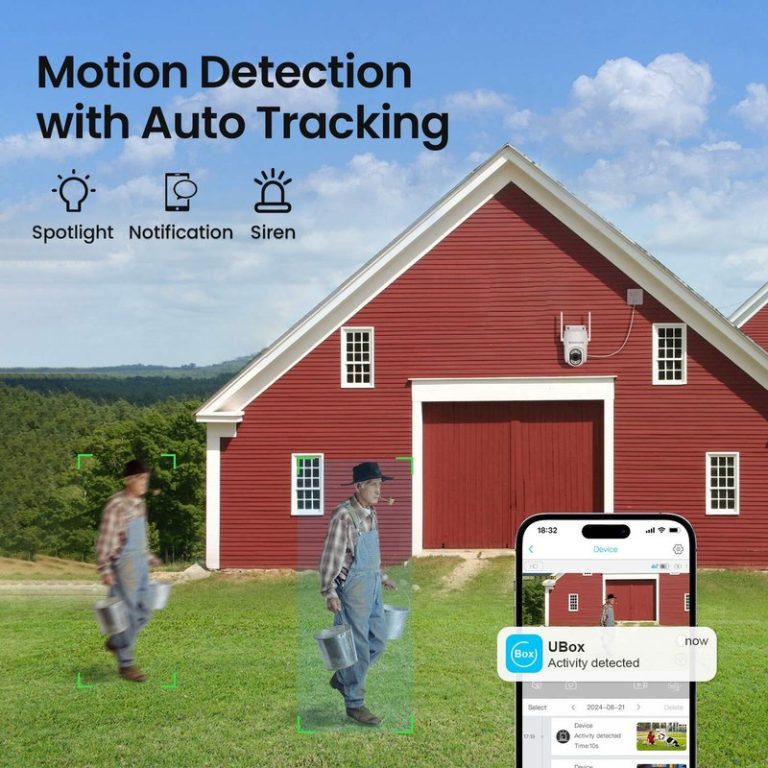
The Outdoor 4 uses improved motion detection to identify movement and send alerts through the Blink app. I can adjust motion zones and sensitivity to reduce alerts from areas such as roads, trees, or busy walkways. These controls help me focus alerts on entry points and other important areas.
The camera supports Person Detection, but I need a Blink Subscription Plan or an active trial for that feature. Without the subscription, the camera can still detect motion, but it does not provide the same person-specific alert option. Wi-Fi strength and camera placement also affect alert timing.
Two-Way Audio
The camera includes a built-in microphone and speaker, allowing me to listen and speak through the Blink app. This lets me communicate with visitors, delivery workers, or people near the camera without opening the door.
Audio quality depends on the camera’s distance from the person and the surrounding noise. I should mount the camera close enough to capture voices clearly but far enough away to cover the intended viewing area. Alexa integration also allows compatible Echo devices to stream the camera feed and support hands-free communication.
Storage, App Control, And Subscription Plans
I can view live video, receive motion alerts, and speak through the Blink app. Storage depends on the equipment I use: cloud storage requires a Blink plan, while local storage requires compatible hardware.
Local And Cloud Storage
The Blink Outdoor 4 sends video to the Blink app through Wi-Fi. A Sync Module Core may connect multiple cameras, but it does not include local storage. For local recording, I need compatible storage hardware, such as a Sync Module 2 with a USB drive or another supported Blink system.
Local storage lets me save clips without paying for a cloud plan. I must manage the USB drive and access stored clips through the Blink app. The camera itself does not store recordings internally.
Cloud storage offers easier access and backup. Supported plans can store motion clips for up to 60 days, depending on the plan and account terms. I can view, save, and share clips from the app, even when I am away from home.
Blink Subscription Plans
Blink offers optional paid plans that add cloud recording and advanced features. The Basic plan covers one camera, while the Plus plan supports eligible cameras at one location. Pricing and available tiers can vary by country and may change.
A subscription can enable motion recording, cloud clip storage, Live View recording, and Person Detection. Person Detection requires a compatible plan and camera setup. Without a plan, I can still use live view, motion alerts, two-way audio, and other basic functions, but recorded video access depends on local storage.
New Outdoor 4 purchases may include a 30-day Blink Subscription Plan trial. I should check the current offer before relying on it, because trial terms can change.
Frequently asked questions
Is Blink Outdoor 4 wireless?
Yes. I consider Blink Outdoor 4 a wireless camera because it uses batteries and connects to your Wi-Fi network. You do not need to run a power cable to the camera during normal use.
What batteries does it use?
The camera uses two AA lithium batteries. Blink advertises battery life of up to two years, but actual life depends on settings, temperature, Wi-Fi strength, and how often the camera records or uses Live View.
Does it need a separate hub?
Some Outdoor 4 packages include a Sync Module Core, while other versions may include different Sync Module equipment. I recommend checking the package contents before buying, because the module can help connect cameras and support local storage features.
What video and audio features does it have?
Outdoor 4 records 1080p HD video and supports two-way audio. I can use on-demand Live View through the Blink mobile app, provided the camera has a working Wi-Fi connection.
Can I use it outside?
Yes. Blink designed Outdoor 4 for outdoor use, but I would mount it in a suitable location that limits direct exposure to harsh weather. A strong Wi-Fi signal also helps prevent connection problems and unnecessary battery drain.
Does it detect people?
Person Detection requires a Blink Subscription Plan or an active trial. Without that service, the camera still provides its standard motion detection features.
Conclusion
I consider the Blink Outdoor 4 a wireless security camera because it runs on batteries and connects to your home network over Wi-Fi. You can install it without running a power cable, which makes it useful for porches, driveways, and other outdoor areas.
It records 1080p video, supports infrared night vision, and includes two-way audio through the Blink app. Its weather-resistant design and claimed battery life of up to two years also make it practical for basic outdoor monitoring, though actual battery life depends on settings, activity, and weather.
| Feature | What it offers |
|---|---|
| Power | Two AA lithium batteries |
| Connection | Wi-Fi |
| Video | 1080p HD |
| Audio | Two-way talk |
| Smart features | Alexa support and optional person detection |
| Storage | Cloud or local storage, depending on setup |
I would choose the Blink Outdoor 4 if I wanted simple installation, low maintenance, and useful security features at a budget-friendly price. I would also check the storage fees and Wi-Fi coverage before buying, since those factors affect the camera’s long-term value.